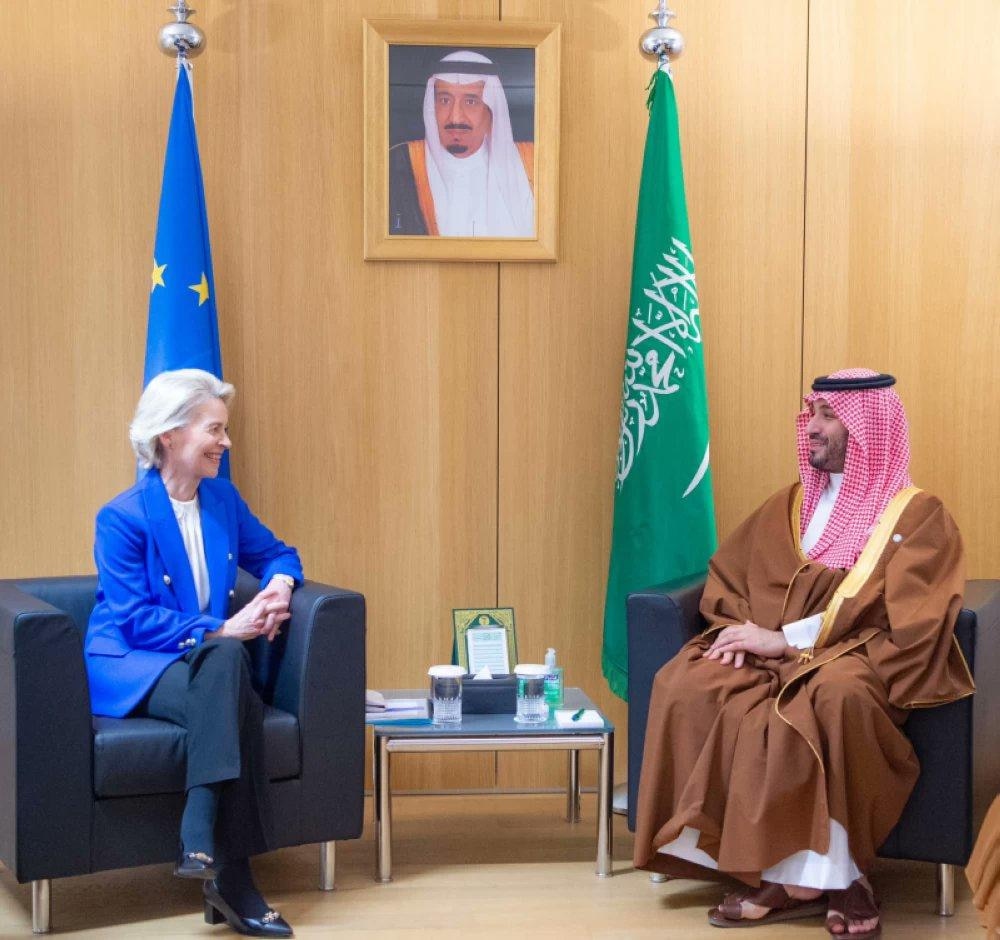
Seoul: A new strategic economic partnership between the European Union and the Republic of Korea, formalised through the inaugural Korea-EU Next-Generation Strategic Dialogue held in the Korean capital, signals an evolution in the architecture of European Indo-Pacific engagement. The agreement, building upon a long-standing trade relationship that delivered roughly €124 billion in bilateral commerce last year, places trade, supply chains, and critical technologies at the centre of a relationship that had previously rested largely on the 2011 free trade agreement.
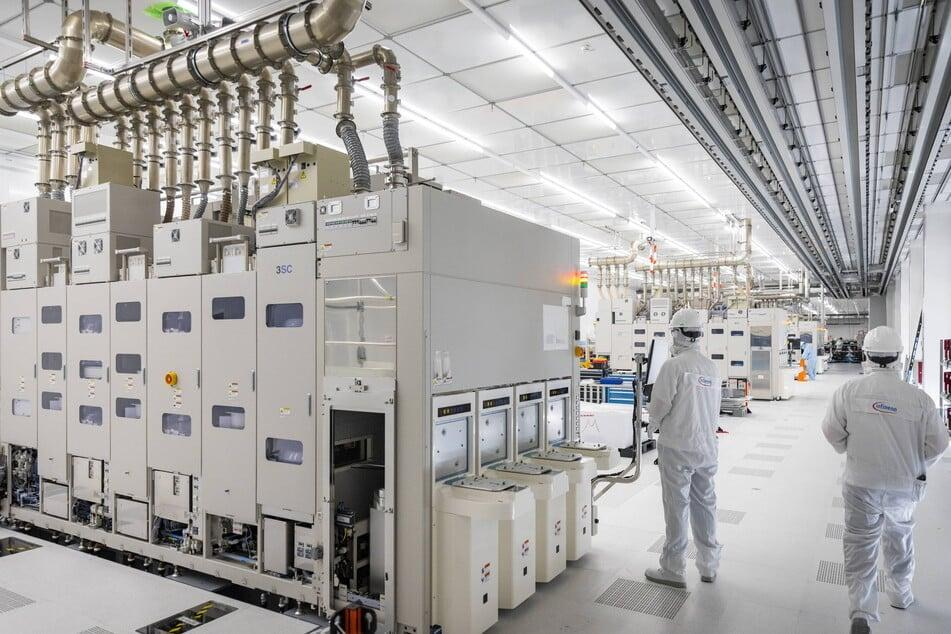
The Strategic Dialogue introduces a platform for forward-looking cooperation on shared geo-economic priorities. Economic security, critical raw materials, advanced technology supply chain protection, and battery industry coordination feature prominently in the framework’s first work programme. The framing is significant. European officials no longer present Korea as a peripheral trading partner but as an indispensable industrial counterpart whose semiconductor, battery, and shipbuilding capabilities directly underpin Europe’s own industrial transition.
Trade Minister Yeo Han-koo and Executive Vice-President Maroš Šefčovič also endorsed the final text of the EU-Korea Digital Trade Agreement during their recent exchanges, with formal signature anticipated at the EU-Korea Summit later this year. The digital agreement updates the original 2011 framework to address electronic commerce, cross-border data flows, source-code protection, and digital trade facilitation, areas that were largely unaddressed in the original treaty and whose absence had become a structural friction in bilateral economic relations.
Critical minerals featured prominently in the discussions. Both the EU and Korea face limited domestic mineral production infrastructure, leaving them collectively exposed to upstream concentration risks. Officials agreed to enhance communications and joint approaches as global supply chains continue to undergo structural disruption. The conversation extended into semiconductors and batteries, where Korean firms hold globally significant positions and have made substantial investments in European manufacturing capacity. Mr Yeo invoked these contributions explicitly, calling on Brussels to factor them into the design of the forthcoming Industrial Accelerator Act.
The Korean perspective on the partnership carries distinctive characteristics. Seoul has long sought to diversify its strategic relationships beyond the bilateral alliance with the United States and its proximity to Chinese markets. Engagement with Europe offers both economic complementarity and a degree of geopolitical insulation, particularly as the Korean industrial base navigates competing pressures from American export controls and Chinese technological development. The European framework provides a venue for cooperation on standards, market access, and joint research that does not force binary alignment choices.
For Brussels, the relationship offers something equally valuable, a sophisticated industrial partner whose capabilities directly intersect with European clean technology, defence, and digital priorities. Korean battery manufacturers have committed extensive resources to European gigafactory construction, becoming integral to the bloc’s electric vehicle ambitions. The presence of such investments raises the stakes of consistent regulatory treatment and predictable industrial policy, both of which Korean officials have repeatedly emphasised in their engagements with European counterparts.
Beneath the technical substance lies a broader strategic insight. The European Union’s Indo-Pacific approach has matured beyond episodic engagement into a framework of differentiated partnerships. Japan offers depth and breadth across multiple domains, Australia delivers natural-resource complementarity, and Korea brings industrial sophistication in areas central to the green and digital transitions. None of these partnerships substitutes for the others, and none is configured as an alliance. Together they form a network of overlapping engagements that provides Europe with strategic optionality without requiring formal bloc construction.
The next-generation strategic dialogue with Seoul represents one of the more concrete manifestations of this approach. Its operational success will be judged less by the eloquence of its founding documents than by the durability of the projects it generates, the supply-chain dependencies it relieves, and the industrial capacities it consolidates in both jurisdictions.