Seoul: South Korea’s entry into Horizon Europe has quietly become one of the Union’s most ambitious experiments in science diplomacy, binding a leading Asian economy into Europe’s research machine.
The country associated with the programme’s second pillar, the part focused on industrial competitiveness and global challenges, which absorbs most of Horizon’s budget of roughly 95 billion euros. Korean researchers can now apply for grants on the same terms as their European peers.
The move made Seoul the first Asian capital outside the immediate European neighbourhood to join, a milestone the Commission frames as proof that its research programme can serve foreign policy. A wider wave of associations with partners far beyond the continent underlines the strategy.
The logic is practical as much as symbolic. Korea brings world-class strength in semiconductors, batteries, robotics and clean energy, precisely the fields where Europe wants to close its innovation gap with the United States and China. Pooling talent and funding lets both sides tackle problems neither can afford to chase alone.
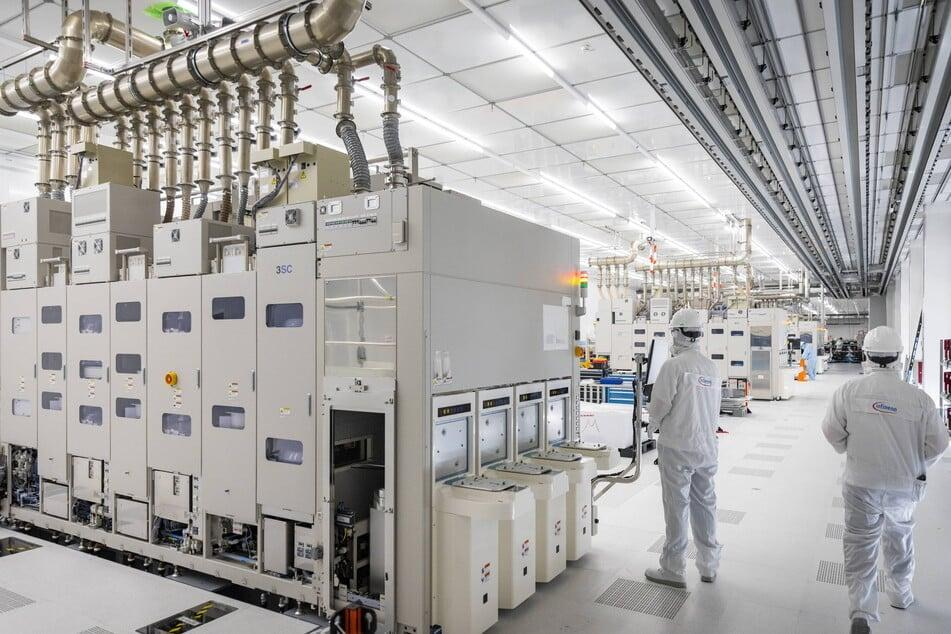
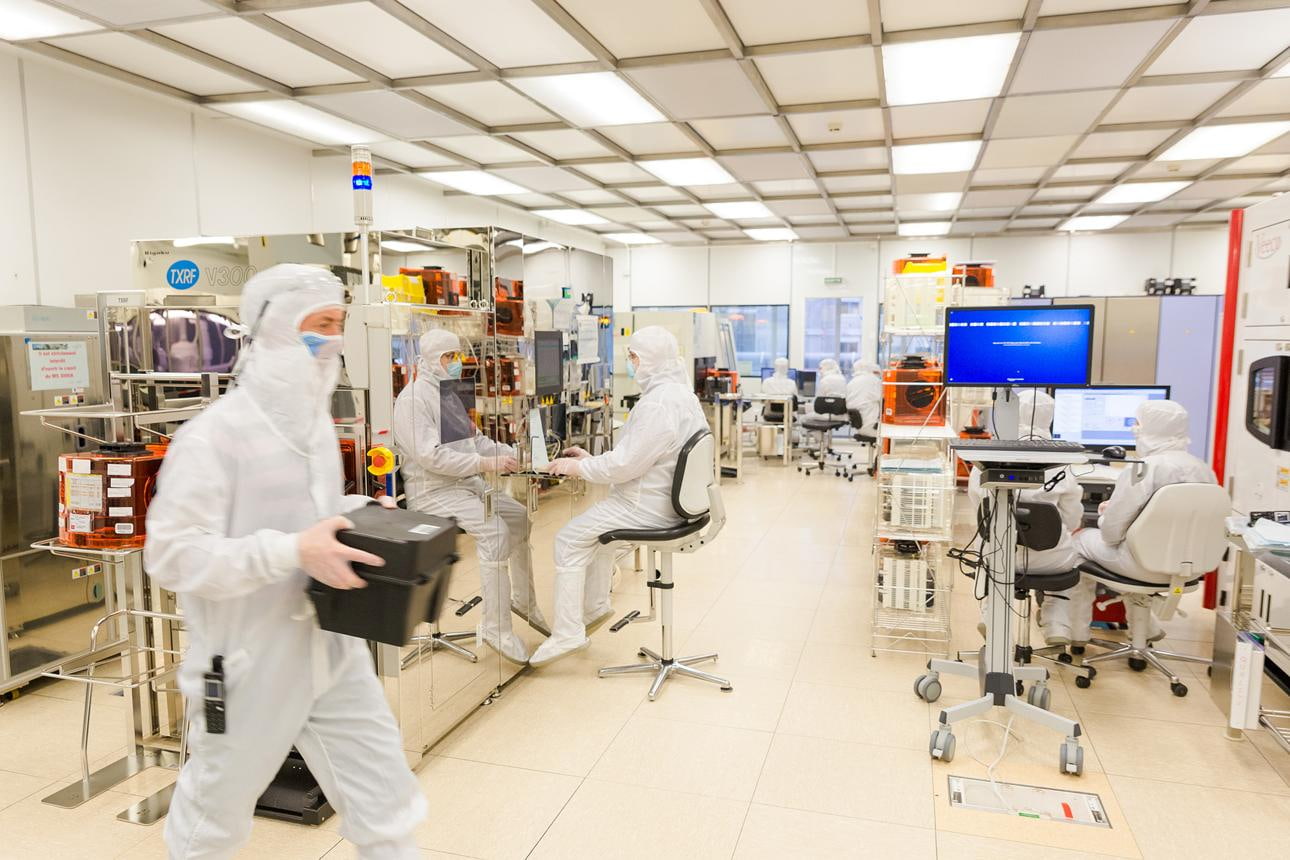
Semiconductors sit at the centre of the plan. Officials intend to deepen joint work across the chip supply chain, from research on more efficient designs to the systems that power artificial intelligence and automated driving. A joint researchers’ forum is due to meet in Brussels during 2026.
Energy offers a second frontier. The Union wants closer cooperation with Korea on hydrogen and offshore wind, technologies central to Europe’s decarbonisation and to Korean industrial exports alike. Shared standards developed now could shape global markets later.
Obstacles remain. Association agreements demand careful handling of intellectual property, data flows and the security concerns that shadow any research touching dual-use technology. Distance, language and different funding cultures complicate the day-to-day collaboration that grant agreements assume.
There is also the question of what follows 2027, when the current programme ends. Both sides already discuss how to carry the partnership into the next research framework, a sign that neither treats association as a one-off gesture.
For Brussels, the Korean link shows that research policy has become a strand of foreign policy in its own right, a way to anchor like-minded democracies without the friction of trade talks or defence pacts. For Seoul, it offers a hedge against dependence on any single partner in an increasingly divided technological world.
The measure of success will be concrete projects rather than signed agreements. If Korean and European laboratories produce joint breakthroughs in chips or clean energy, the model will spread. If the paperwork smothers the science, it will stand as another well-intentioned framework that promised more than it delivered.