Krakow: Europe’s cultural sector opened its 2026 funding round knowing exactly how much sits on the table. Creative Europe, the bloc’s dedicated programme for culture and creativity, carries a budget of 380 million euros this year, steering money toward artists, festivals, publishers, film-makers and cross-border cultural projects.
The Commission has framed the year around two goals that pull in slightly different directions. Creative Europe is meant to safeguard the continent’s cultural diversity while sharpening the competitiveness of sectors that employ millions and feed everything from cinema to video games. Officials insist the two aims reinforce rather than undercut each other.
The programme’s remit stretches well beyond grants for galleries. It backs the green and digital transitions inside cultural industries, supports translation so books cross language borders, and channels funds into projects that shore up democratic resilience through independent media and civic storytelling.
That democratic angle has grown more prominent. As disinformation spreads and press freedom slips in parts of the Union, the Commission increasingly treats culture and journalism as strategic assets rather than soft extras. Creative Europe money now flows toward newsrooms and media literacy alongside the traditional arts, according to the programme’s own priorities.
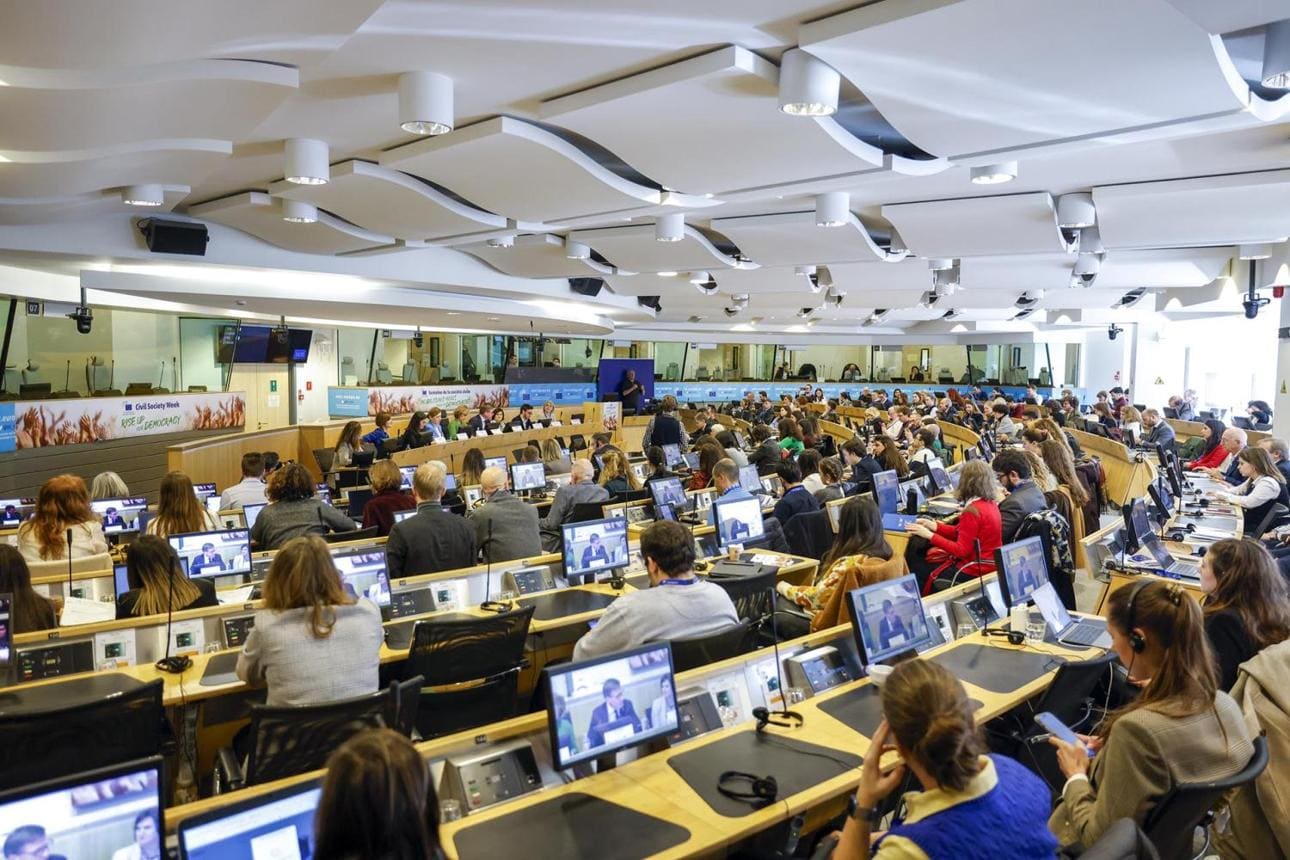
June brought a rare moment of gathering. More than 170 beneficiaries met over three days to swap ideas and map the future of European cultural cooperation, a reminder that the programme functions as a network as much as a purse. Those informal ties often outlast any single grant.
The funding lands as Europe’s creative workers navigate a rough patch. Streaming has upended film and music economics, artificial intelligence unsettles questions of authorship and pay, and small cultural organisations struggle with rising costs. Backers argue that stable public money matters most precisely when private revenue turns volatile.
Critics of the model note that 380 million euros spreads thin across 27 countries and dozens of disciplines. They question whether modest grants can offset structural pressures on the sector, and they press for the programme to concentrate resources where they change outcomes rather than scatter them for visibility.
The Commission counters that continuity is the point. By holding the line on funding and priorities, Creative Europe gives cultural organisations something to plan around in an unsteady moment, and keeps the door open to the cross-border collaboration that a fragmented national landscape rarely produces on its own. The 2026 plan sets that course.