Prato: A quiet habit of the fashion trade ends this month. From 19 July, large companies selling in the European Union may no longer destroy their unsold clothing and footwear, a practice that for years let brands shred or burn surplus stock rather than discount it. The ban forms the first hard requirement of the bloc’s flagship rulebook for greener products.
The prohibition flows from the Ecodesign for Sustainable Products Regulation, the framework that entered into force two years ago. That law promises to make goods sold in Europe more durable, repairable, and recyclable, and it hands the Commission the power to set rules product by product. The clothing ban is its opening move, chosen because the waste was so visible and so wasteful.
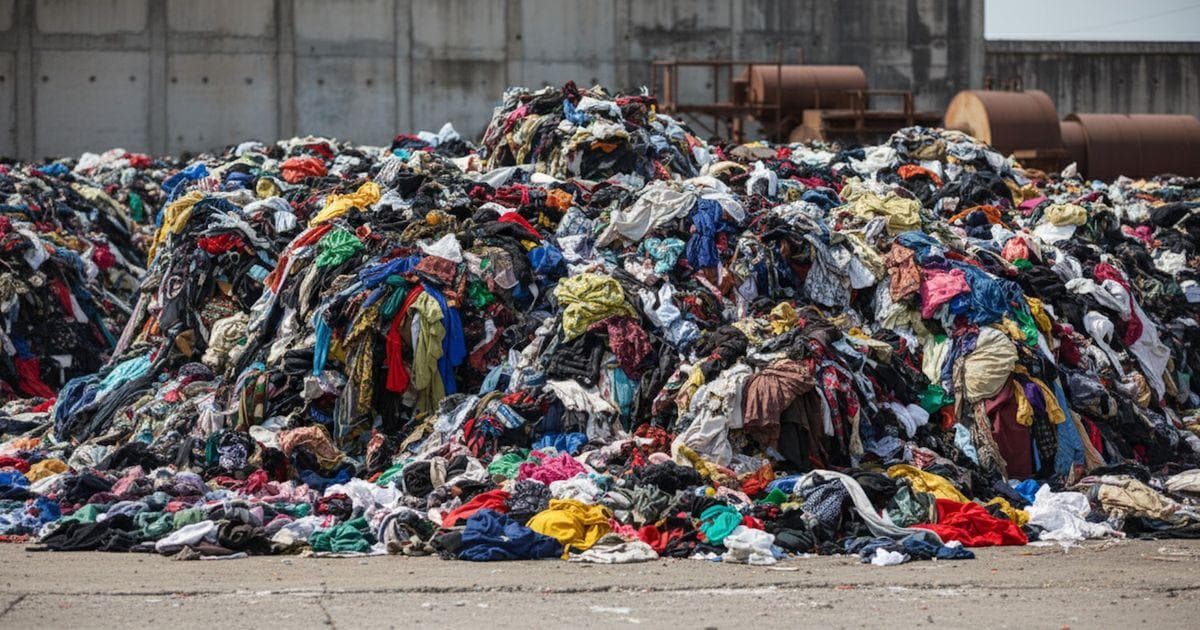
The numbers behind the practice unsettled lawmakers. Retailers routinely wrote off returns and overstock, and destroying them proved cheaper than storing, sorting, or reselling. Perfectly wearable garments went to incinerators or landfill while their makers claimed the tax write-down. Regulators decided that a market chasing sustainability could not tolerate the deliberate destruction of new goods.
Large firms must now find another route for surplus stock. They can donate it, recycle it, or sell it through discount channels, but they can no longer make it disappear. Medium-sized enterprises win a longer runway, with the same ban reaching them in 2030, and the smallest firms stay exempt for now. The staggered timetable gives the industry room to rebuild its supply chains around reuse.
The change arrives alongside a second pillar of the same regime: the digital product passport. A registry for that system is due to stand up this year, and it will eventually let shoppers and recyclers trace what a product contains and how to handle it at the end of its life. Textiles sit near the front of the queue, along with iron, steel, aluminium, and electronics.
Brands have grumbled about the compliance burden, and some warn that tracing every unsold item will strain thin margins. Yet many of the largest houses had already pledged to stop destroying stock, pressed by shoppers who recoil at the image of new clothes in flames. For them, the law hardens a promise they made under public scrutiny.
Campaigners call the ban a first test of whether Europe can turn circular ambition into enforced practice. The rules only bite if inspectors check and penalties sting, and the coming months will show whether member states police the new duty or let it drift. The Commission sets out the wider framework on its ecodesign pages.
For an industry built on the new, learning to keep rather than destroy will take adjustment. The bonfires, at least, are over.