Luxembourg: In the city that guards the Union’s accounts, the annual reckoning over misused money has grown into a sizeable number. Fraud recovery recommended by the European Anti-Fraud Office reached almost 600 million euros for 2025, a figure that captures both the scale of abuse and the reach of the investigators chasing it.
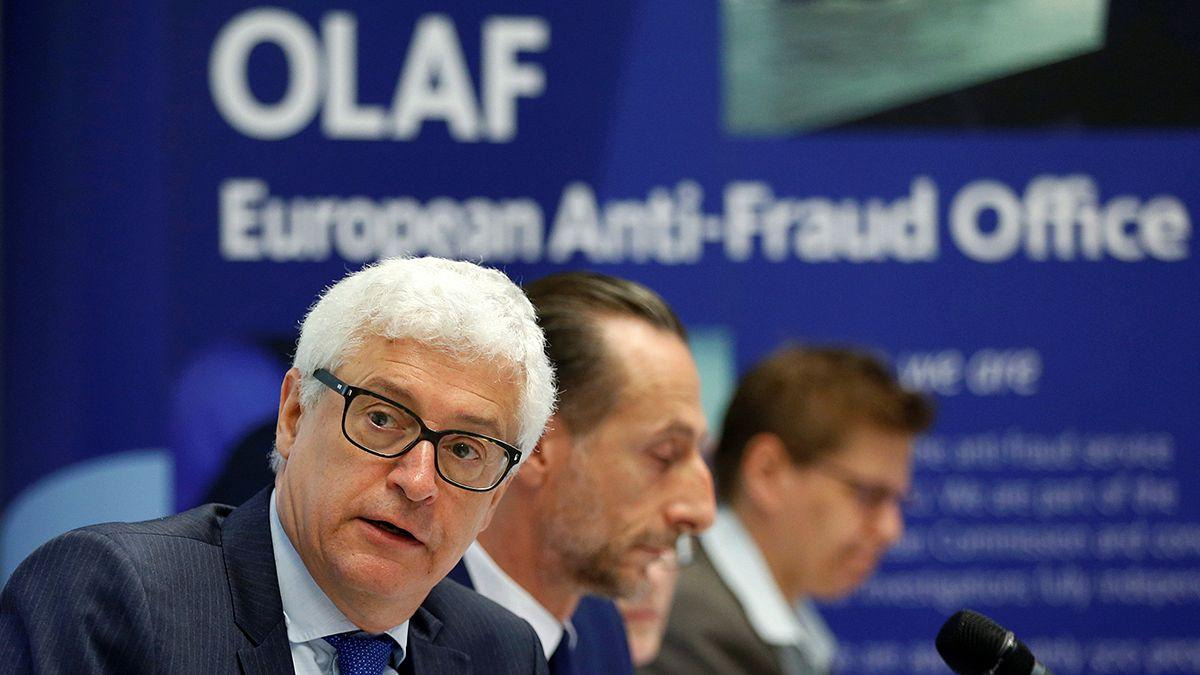
The office, known by its French acronym OLAF, set out the totals in a report published in April 2026. It recommended clawing back 597 million euros to the Union budget and stopped a further 18 million from being wrongly spent. Over the year it closed 209 investigations and opened 254 new ones.
Seen across a decade, the pattern is striking. OLAF says its work has returned 6.8 billion euros to the budget since the mid-2010s and blocked another 873 million in improper spending. The office publishes the running tally on its anti-fraud site.
One case from early 2026 shows how far the trail can run. Investigators coordinated an international inquiry into the suspected circumvention of Union sanctions involving more than 760 transport vehicles. Tracking each vehicle in turn, they reconstructed a logistics chain that ended in Russia, confirming that goods declared for other destinations had never arrived.
Most recoveries, though, turn on quieter frauds: inflated invoices, phantom suppliers and projects that exist only on paper. Farm subsidies, regional development grants and research funds all draw fraudsters, because the sums are large and the paperwork is complex. OLAF investigates, but member states and Union bodies must then recover the cash, and that stage often stalls.
That handover is the system’s weak point. A recommendation to recover money is not the same as money returned, and national administrations move at their own pace. Auditors have long warned that the gap between recommended and recovered sums lets some losses harden into write-offs.
The office also works alongside the European Public Prosecutor’s Office, which can bring criminal charges where OLAF can only recommend. The division of labour lets administrative and criminal tracks run in parallel, yet it also demands careful coordination so cases do not fall between two stools.
For taxpayers, the headline figure cuts both ways. A larger recovery total signals sharper detection, but it also confirms that fraud against the common budget remains stubbornly routine. As negotiations over the next long-term budget gather pace, the pressure on OLAF to prove that every euro is guarded will only grow.