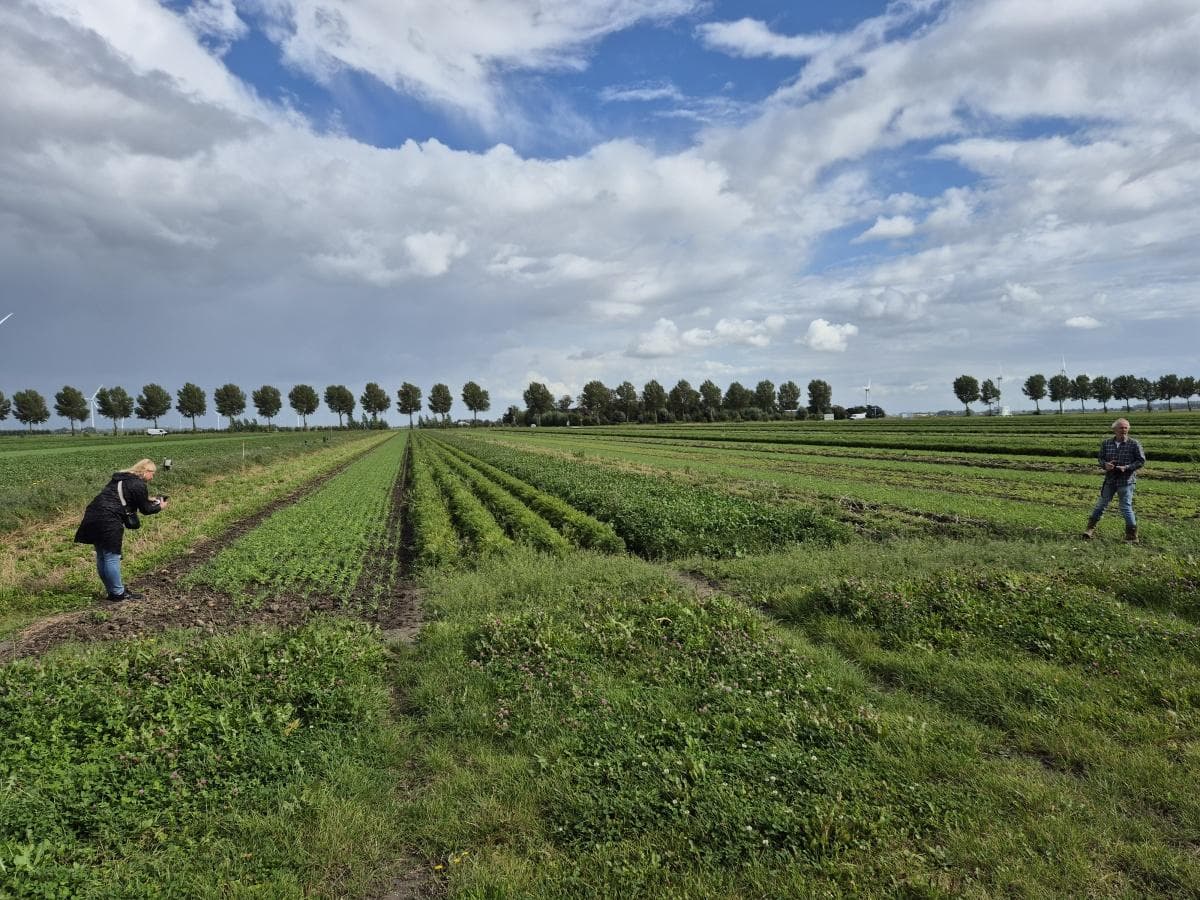
Wageningen: In the greenhouses and breeding stations that ring this Dutch agricultural research hub, scientists have spent years developing crops they could not legally sell. That changed on 17 June, when the European Parliament gave final approval to a regulation governing plants produced through new genomic techniques, closing a legislative file the Commission first tabled back in 2023 and that the Council had signed off in April.
The new rules draw a line that has divided breeders, environmental groups and food companies for almost two decades. Plants altered in ways that could plausibly have arisen through conventional breeding or natural mutation are placed in a first category, treated for regulatory purposes as if they were conventional varieties. They escape the case-by-case environmental risk assessment, mandatory traceability and consumer labelling that have applied to genetically modified organisms since the early 2000s. Seed packaging must still flag that a variety was developed using the techniques, but there is no requirement to label the finished loaf, jar or ready meal, and no obligation to provide a detection method.
Plants carrying changes that could not occur naturally, by contrast, remain inside the existing GMO framework, with its authorisations, monitoring and labelling intact. The compromise also keeps the techniques out of organic farming altogether, though negotiators agreed that the unavoidable trace presence of a first-category plant would not by itself breach organic rules.
Supporters frame the law as a competitiveness measure as much as an agricultural one. Drought-tolerant wheat, blight-resistant potatoes and crops needing less fertiliser or fewer pesticides are the kinds of products its backers say Europe risks importing rather than inventing if its laboratories cannot bring them to market. A coalition of agri-food groups welcomed the vote as ending a regulatory limbo that had pushed research and investment toward North and South America.
Critics are unconvinced, and their objections cut to the heart of the bargain. Consumer and environmental organisations argue that stripping out labelling denies shoppers the ability to make an informed choice, and that the absence of a detection requirement will make the rules difficult to enforce or to reverse if problems emerge. Seed sovereignty campaigners warn that patents attached to gene-edited traits could tighten the grip of a handful of large firms over what farmers are able to plant.
Much now depends on the detail still to be written. A two-year implementation window gives the Commission time to draft the secondary legislation that will define how varieties are verified, how the equivalence test is applied in practice, and how the patent questions are handled. National authorities, seed certifiers and the European Food Safety Authority will all have roles in a system whose credibility rests on consistency.
For the breeders here and at comparable centres across the bloc, the vote ends one long wait and begins another. The legal pathway exists, but the first edited varieties will not reach fields until the technical rulebook is complete and individual products clear the streamlined checks. Whether the law delivers the resilient, lower-input crops its champions promise, or the loss of transparency its opponents fear, will only become clear once those first plants are in the ground.