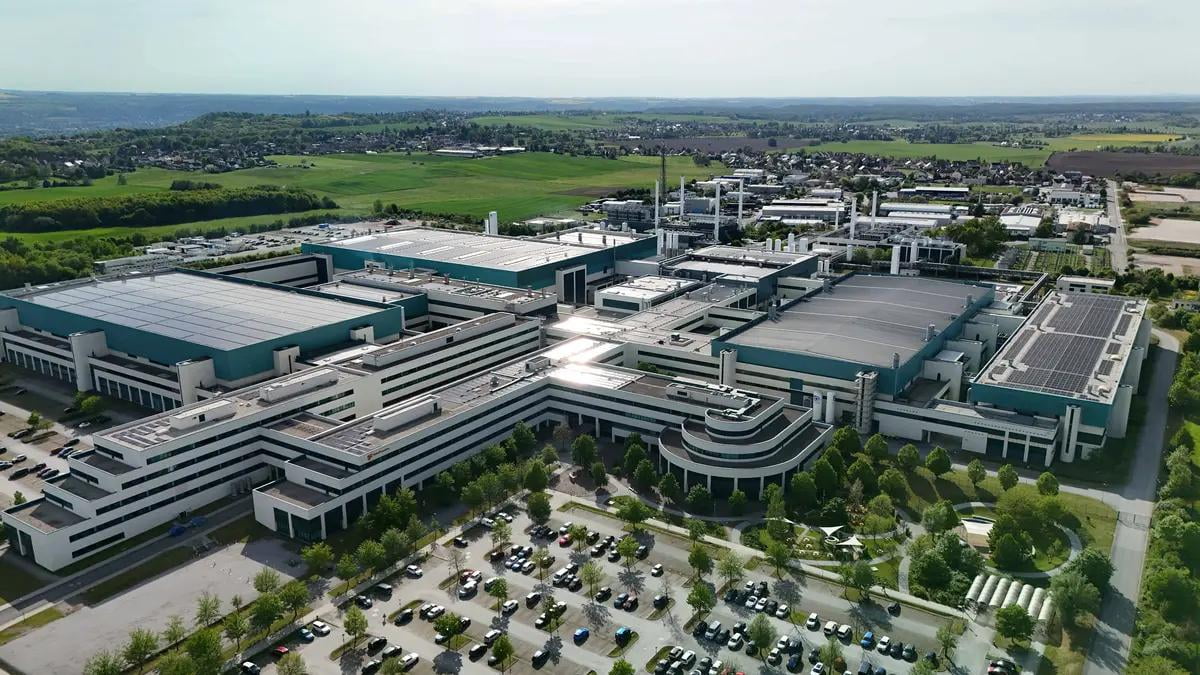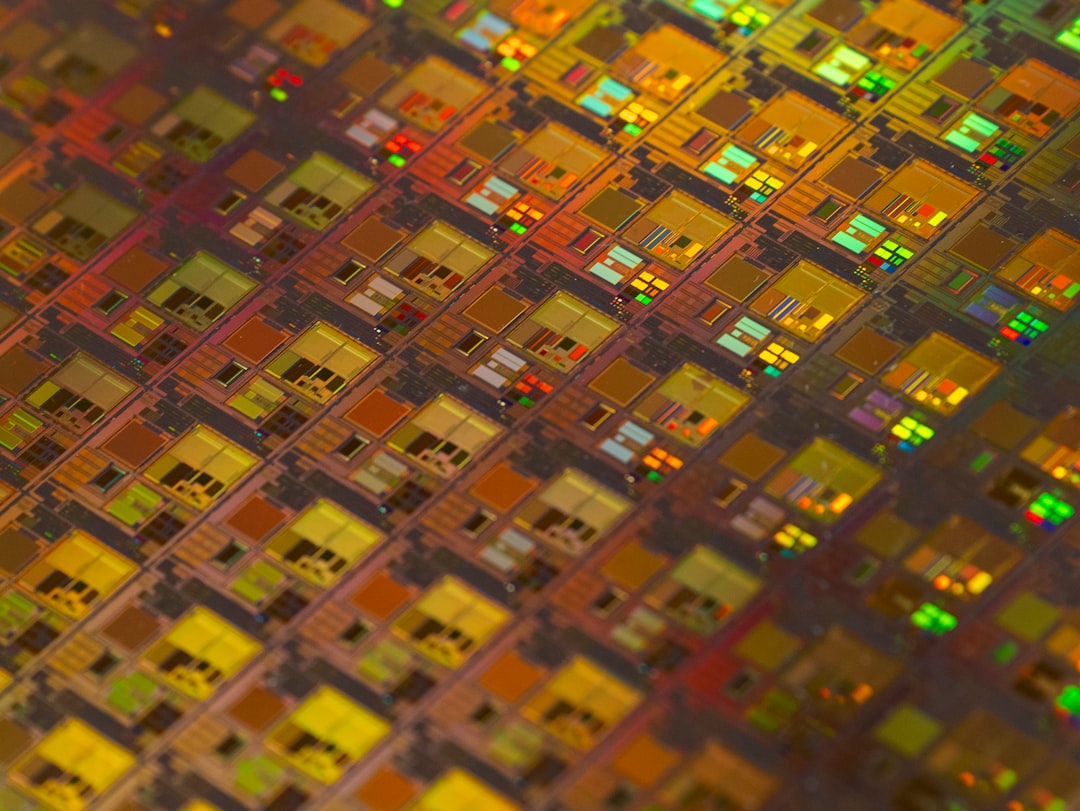
Dresden: In the fabrication plants of Saxony, where Europe’s largest concentration of chipmakers turns silicon into the components that run modern life, the Commission’s latest proposal has been received with a mixture of relief and hard-headed scepticism. Brussels has tabled a second chips act, an attempt to build on, and quietly admit the limits of, the industrial strategy it launched only a few years ago.
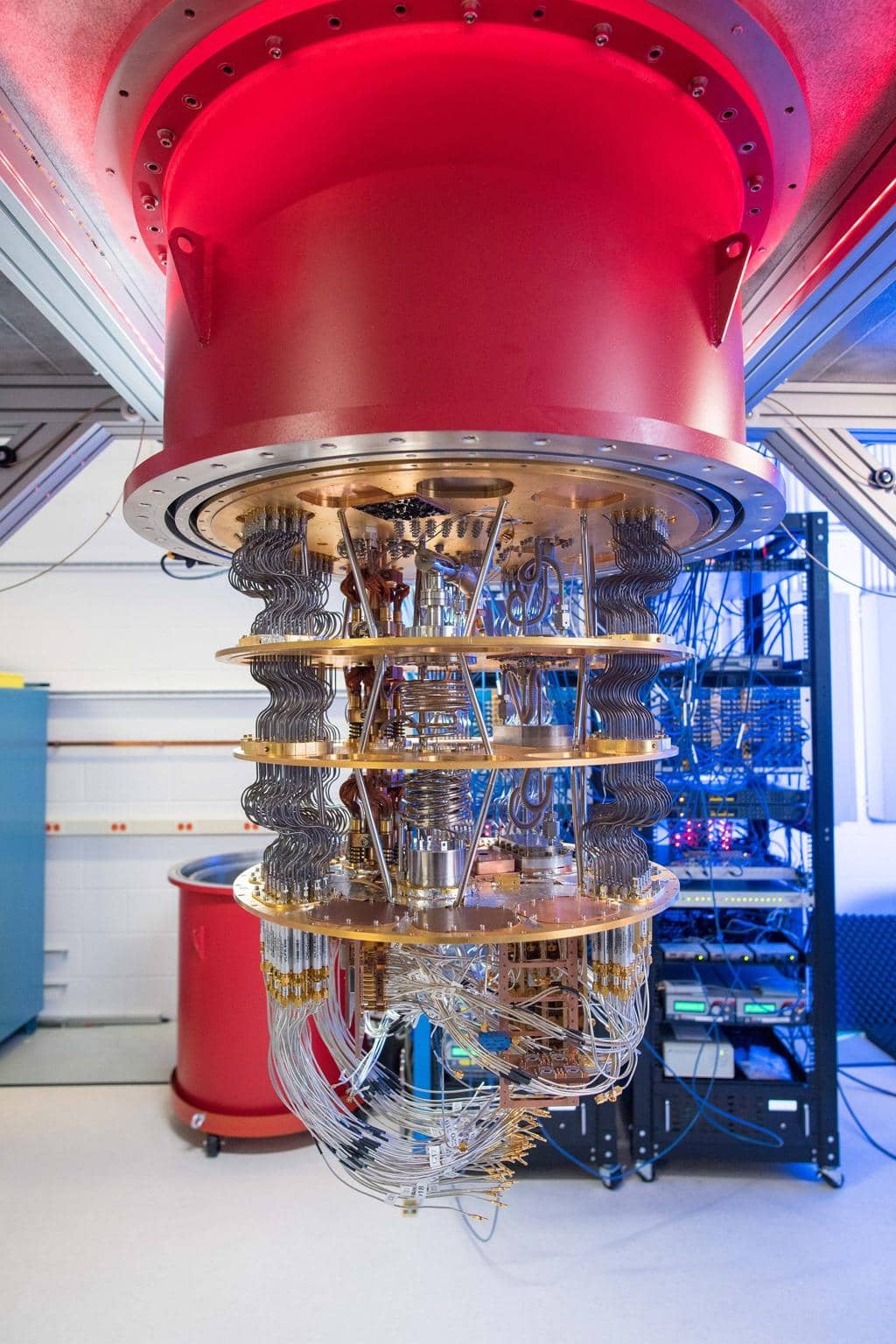
The new plan promises measures to strengthen the chips industry, reduce the strategic dependencies that leave European factories exposed to distant suppliers, and support the production of advanced and next-generation semiconductors. It reaches beyond conventional chips toward quantum technologies, with the Commission proposing a dedicated quantum design facility and six quantum chip pilot lines, backed by up to 50 million euros in public funding, to carry scientific prototypes toward something that can be manufactured at scale.
The ambition is a response to an uncomfortable reality. The original chips act set a target of capturing a fifth of the global semiconductor market by the end of the decade, a goal that looked stretching when it was set and looks more so now. The Union remains heavily reliant on a handful of manufacturers in Asia for the most advanced processors, and the vast subsidy packages deployed by the United States and several Asian governments have raised the price of staying competitive. European firms have warned repeatedly that public commitment, measured against those rivals, has been long on rhetoric and short on money.
That tension runs through the debate over the wider research budget. The Commission’s proposal for the next multiannual financial framework sketches a successor research programme, retaining the Horizon Europe name, with a headline figure of 175 billion euros and a new pillar oriented toward competitiveness. Scientific organisations have lobbied hard over the shape of that programme, arguing that fundamental research must not be crowded out by the drive to translate discoveries into industrial advantage. The chips proposal sits squarely at that fault line, embodying the Union’s wager that targeted public investment can seed a strategic industry.
Sceptics in Dresden and elsewhere note that pilot lines and design facilities, however welcome, are modest instruments against a challenge measured in tens of billions. Building a cutting-edge foundry costs more than the entire quantum funding line on offer, and the talent, equipment and supply chains that sustain advanced manufacturing cannot be conjured by legislation alone. Supporters counter that Europe’s strength has always lain in the less visible links of the chain, in design tools, specialist materials and the precision machinery without which no fab anywhere can run, and that a smarter strategy would build on those advantages rather than chase market share in finished chips.
The proposal now begins its passage through the Parliament and member states, where the gap between ambition and resources will be argued over in detail. For the engineers in Saxony, the question is whether this second attempt represents a genuine deepening of Europe’s industrial resolve or another statement of intent awaiting the funds to make it real. The answer will shape not only the fortunes of a single industry but the Union’s wider claim to technological sovereignty in a decade defined by it.