August 10, 2026
LATEST
Five Joint Defence Projects Launch Europe’s Military ShieldElectrification Plan Aims to Make Europe First Electro ContinentHorizon Europe Budget Fight Heats Up as Ministers Push BackGoogle’s DMA Fine Sets Off a Transatlantic Tariff ClashTwenty New University Alliances Join Erasmus for Two YearsForeign Subsidies Case Puts Temu in the EU’s SightsVan Tachographs Now Mandatory for Cross-Border FleetsStress Test Exposes Gaps in Euro Area Bank DefencesEurope Bets on a Gulf Partnership Before the Riyadh SummitWhy the Atlantic Route Now Runs Through MauritaniaKyiv and Chisinau Advance as the EU Accession Talks Gather PaceEurope’s New Digital Border System Beds In After a Rocky RolloutBrussels Mounts Its Largest Wildfire Response as the Fires SpreadRetail Spending Slipped in June, Wrong-Footing EconomistsHeatwave Warning Puts Brussels on Alert for Vulnerable GroupsKANAL’s 230 Million Euro Museum Sets a November Opening DatePension Savings Rules Get a Reset as the EU Scraps the 1% CapMedicine Shortages Move to the Heart of Europe’s Pharma ResetJapan Becomes Europe’s Closest Security Partner in AsiaCan Europe’s New Zealand Deal Anchor It in the Pacific?Five Joint Defence Projects Launch Europe’s Military ShieldElectrification Plan Aims to Make Europe First Electro ContinentHorizon Europe Budget Fight Heats Up as Ministers Push BackGoogle’s DMA Fine Sets Off a Transatlantic Tariff ClashTwenty New University Alliances Join Erasmus for Two YearsForeign Subsidies Case Puts Temu in the EU’s SightsVan Tachographs Now Mandatory for Cross-Border FleetsStress Test Exposes Gaps in Euro Area Bank DefencesEurope Bets on a Gulf Partnership Before the Riyadh SummitWhy the Atlantic Route Now Runs Through MauritaniaKyiv and Chisinau Advance as the EU Accession Talks Gather PaceEurope’s New Digital Border System Beds In After a Rocky RolloutBrussels Mounts Its Largest Wildfire Response as the Fires SpreadRetail Spending Slipped in June, Wrong-Footing EconomistsHeatwave Warning Puts Brussels on Alert for Vulnerable GroupsKANAL’s 230 Million Euro Museum Sets a November Opening DatePension Savings Rules Get a Reset as the EU Scraps the 1% CapMedicine Shortages Move to the Heart of Europe’s Pharma ResetJapan Becomes Europe’s Closest Security Partner in AsiaCan Europe’s New Zealand Deal Anchor It in the Pacific?
August 10, 2026
LATEST
Five Joint Defence Projects Launch Europe’s Military ShieldElectrification Plan Aims to Make Europe First Electro ContinentHorizon Europe Budget Fight Heats Up as Ministers Push BackGoogle’s DMA Fine Sets Off a Transatlantic Tariff ClashTwenty New University Alliances Join Erasmus for Two YearsForeign Subsidies Case Puts Temu in the EU’s SightsVan Tachographs Now Mandatory for Cross-Border FleetsStress Test Exposes Gaps in Euro Area Bank DefencesEurope Bets on a Gulf Partnership Before the Riyadh SummitWhy the Atlantic Route Now Runs Through MauritaniaKyiv and Chisinau Advance as the EU Accession Talks Gather PaceEurope’s New Digital Border System Beds In After a Rocky RolloutBrussels Mounts Its Largest Wildfire Response as the Fires SpreadRetail Spending Slipped in June, Wrong-Footing EconomistsHeatwave Warning Puts Brussels on Alert for Vulnerable GroupsKANAL’s 230 Million Euro Museum Sets a November Opening DatePension Savings Rules Get a Reset as the EU Scraps the 1% CapMedicine Shortages Move to the Heart of Europe’s Pharma ResetJapan Becomes Europe’s Closest Security Partner in AsiaCan Europe’s New Zealand Deal Anchor It in the Pacific?Five Joint Defence Projects Launch Europe’s Military ShieldElectrification Plan Aims to Make Europe First Electro ContinentHorizon Europe Budget Fight Heats Up as Ministers Push BackGoogle’s DMA Fine Sets Off a Transatlantic Tariff ClashTwenty New University Alliances Join Erasmus for Two YearsForeign Subsidies Case Puts Temu in the EU’s SightsVan Tachographs Now Mandatory for Cross-Border FleetsStress Test Exposes Gaps in Euro Area Bank DefencesEurope Bets on a Gulf Partnership Before the Riyadh SummitWhy the Atlantic Route Now Runs Through MauritaniaKyiv and Chisinau Advance as the EU Accession Talks Gather PaceEurope’s New Digital Border System Beds In After a Rocky RolloutBrussels Mounts Its Largest Wildfire Response as the Fires SpreadRetail Spending Slipped in June, Wrong-Footing EconomistsHeatwave Warning Puts Brussels on Alert for Vulnerable GroupsKANAL’s 230 Million Euro Museum Sets a November Opening DatePension Savings Rules Get a Reset as the EU Scraps the 1% CapMedicine Shortages Move to the Heart of Europe’s Pharma ResetJapan Becomes Europe’s Closest Security Partner in AsiaCan Europe’s New Zealand Deal Anchor It in the Pacific?

Member States Face a September Deadline to Restore Lost Nature

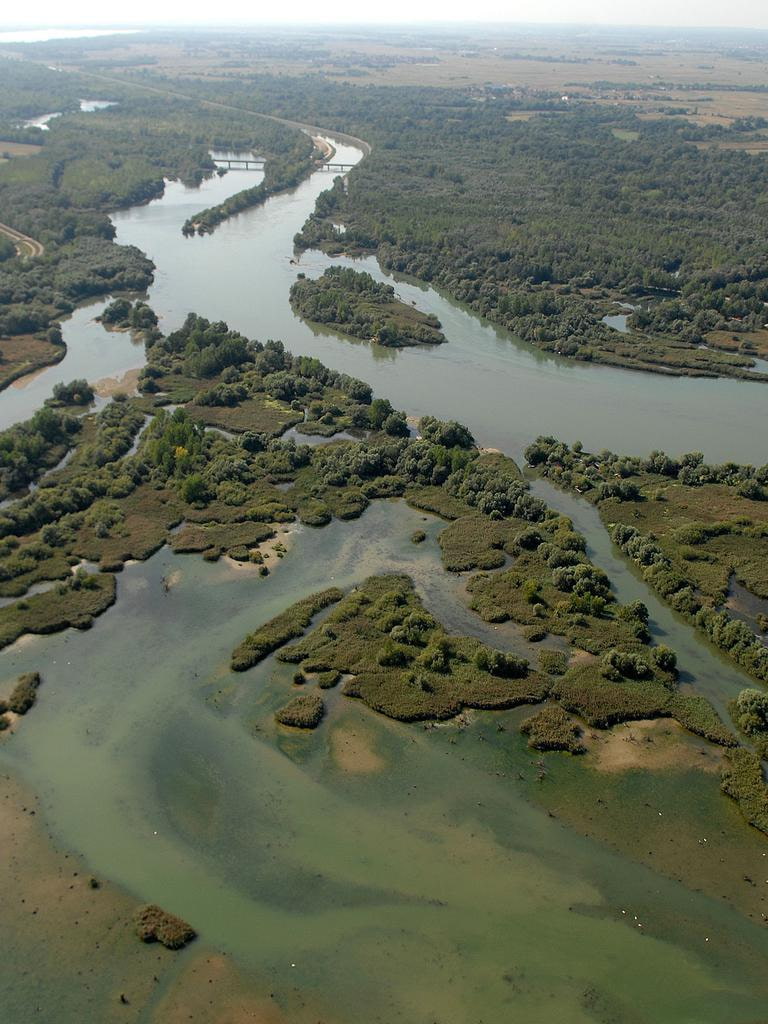
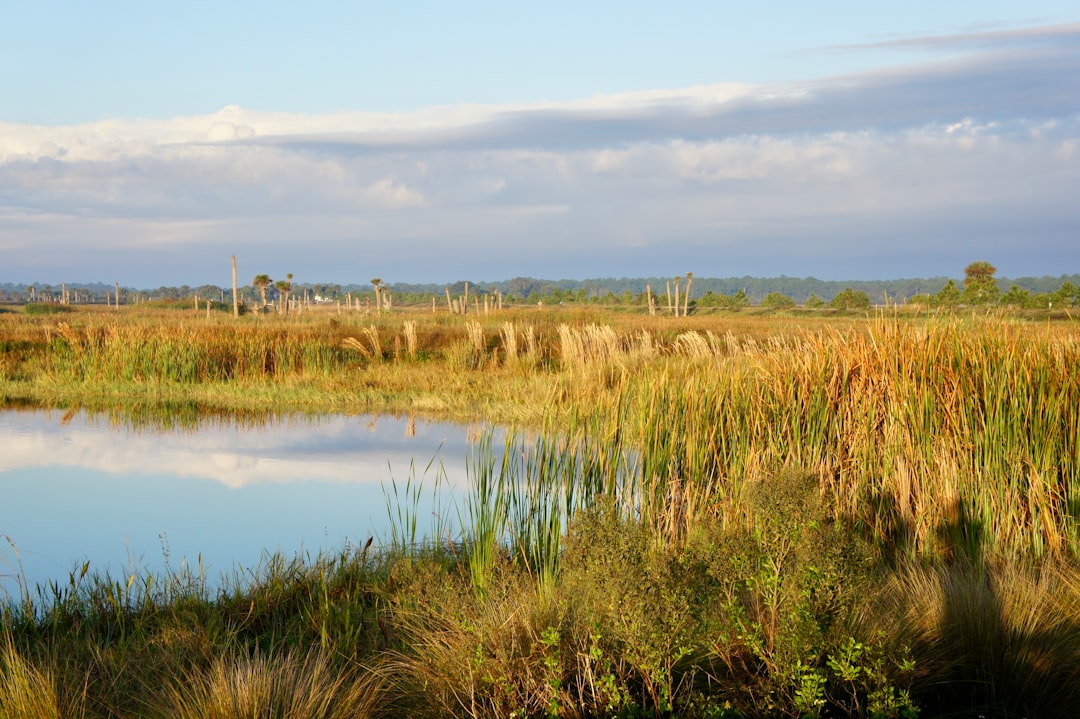
Biebrza: Across the marshes of north-eastern Poland, where one of Europe’s last great wild river valleys floods each spring, the abstract targets of the bloc’s nature law acquire mud and feathers. It is in places like this that the Nature Restoration Regulation, hard fought and narrowly passed, must now prove it can do more than set numbers on a page.

The clock is the immediate story. Governments are expected to deliver their National Restoration Plans to the Commission by September, the documents that translate continent-wide ambition into specific commitments about which habitats will be repaired, where, and with whose money. After years of bruising argument over whether the law should exist at all, the fight now turns to whether member states will fill these plans with credible action or cautious placeholders.

The targets themselves are unusually concrete for European environmental policy. States must put restoration measures in place across habitats in poor condition, reaching 30 percent of degraded areas by 2030, 60 percent by 2040 and 90 percent by mid-century. The regulation also presses for tens of thousands of kilometres of rivers to flow freely again, barriers and culverts removed, and for billions of additional trees to take root before the decade is out.

Supporters frame restoration as insurance rather than indulgence. Healthy wetlands buffer floods, pollinators underpin harvests, and forests lock away carbon that would otherwise accelerate warming. By this reading, the law is as much about food security and climate resilience as about birdsong, and the cost of neglect lands eventually on farmers and taxpayers alike.

The opposition has not vanished. During the law’s passage, farming lobbies and some centre-right parties warned of land taken out of production and of obligations imposed on owners without adequate compensation. Those anxieties now resurface in the planning phase, where the difference between a popular project and a resented one often comes down to who is consulted and who is paid. The regulation leaves states considerable latitude, which means restoration could look generous in one country and grudging in another.

To smooth the path, the Commission has assembled a reference portal of guidelines, data and explanatory notes meant to help national officials draft plans that survive scrutiny. Whether that technical scaffolding can overcome political reluctance is the open question. A plan can be filed on time and still amount to little if its measures are vague, unfunded or quietly deferred to a future government.

For ecologists, the deeper test is reversal. Europe has spent decades slowing the loss of its wild places without halting it; restoration asks the harder thing, that degraded land be actively brought back to life. The marshes here, still teeming where drainage and intensive farming have not reached, are a reminder of what intact nature looks like, and of how much has already been lost elsewhere. The plans due this autumn will signal whether the continent intends to recover that ground or merely to chronicle its decline.