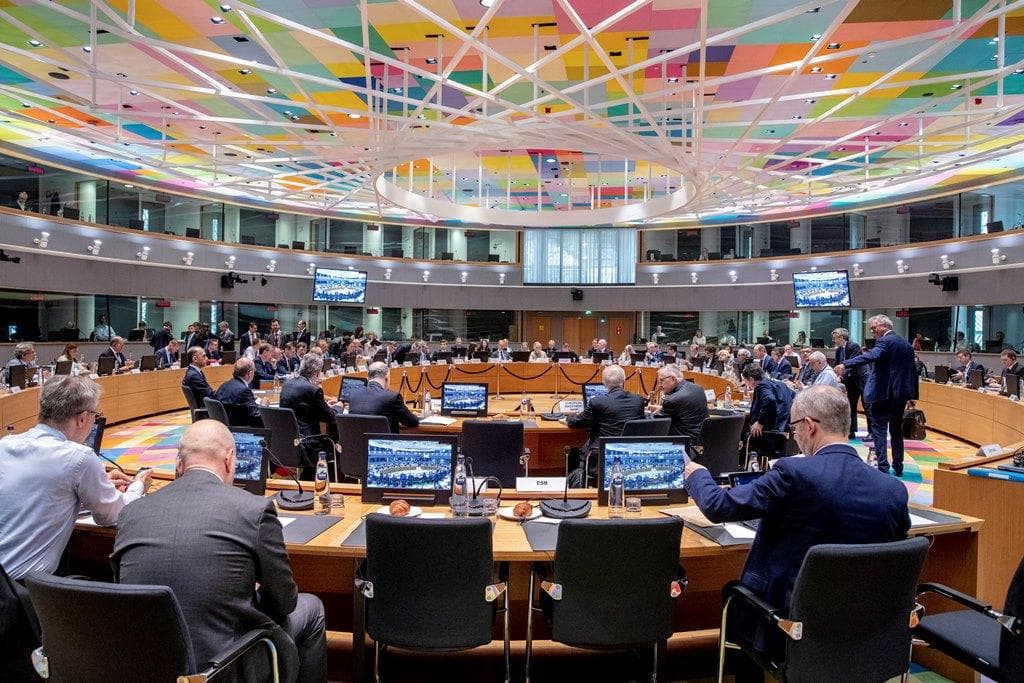
Brussels: A long-delayed attempt to drag Europe’s tobacco taxes into the present has hit a familiar wall. The revision of the Tobacco Taxation Directive was pulled from the agenda of the Economic and Financial Affairs Council in early June, and when finance ministers gathered again on 12 June the file went undiscussed, a casualty of the unanimity that tax legislation requires and that has eluded this dossier for years.
The stakes are sharpest in countries like Bulgaria, where cigarettes remain comparatively cheap and any sharp rise in the minimum excise threatens both household budgets and a substantial cross-border trade. Lower-income member states have resisted a steep floor, while higher-tax northern governments argue that wide price gaps fuel smuggling and undercut public health goals. The result is a stalemate that has survived multiple Commission attempts to break it.
The Commission tabled its revision in July 2025, proposing to lift the minimum duty and, crucially, to bring novel products into the net. Heated tobacco, vaping liquids and nicotine pouches have exploded in popularity while sitting largely outside the harmonised excise framework written for conventional cigarettes, and the proposal sought to define and tax them across the union for the first time. The Parliament’s economic affairs committee weighed in with its own position, trimming the headline cigarette floor from the Commission’s figure of 215 euros per thousand to 200 euros, a softening meant to ease passage that nonetheless failed to unlock agreement among governments.
The revised directive, even if adopted, would not apply until 2028, with a transitional period of roughly four years to phase in the new rates and spare lower-tax markets a sudden shock. That long runway has done little to calm objectors who see any binding floor as an intrusion on a competence member states guard jealously. Tax remains one of the few policy areas where a single capital can halt the entire bloc, and tobacco has become a recurring demonstration of that veto in action.
For public health advocates the delay is costly. Higher prices are among the most reliable tools for cutting smoking rates, and the gap between the cheapest and most expensive markets lets price-sensitive consumers and smugglers alike exploit the seams. For the new-product industry, the continued absence of a common framework means uneven treatment that complicates the single market it nominally enjoys.
The Commission has signalled it will keep the file alive rather than withdraw it, betting that pressure on national budgets and the steady growth of untaxed vaping markets will eventually concentrate minds. But after the June impasse, no one in the room expected a breakthrough soon. The directive joins a lengthening list of tax reforms held hostage to the search for consensus among twenty-seven.