Prague: Twelve young European companies have each been awarded a hundred thousand euros to push their space ventures towards the market, the latest cohort to emerge from the bloc’s flagship competition for space entrepreneurs. The winners, announced as the union’s space community gathers for its annual forum, are building businesses that turn the data and signals from Europe’s public satellite systems into commercial tools for climate monitoring, security and infrastructure management.
The prizes come from the competition run by the agency that manages the union’s space programme, an outfit headquartered in the Czech capital that oversees the bloc’s navigation, earth-observation and secure-communication assets. Its remit is not to launch rockets but to make the resulting data useful, and the competition is one of its instruments for that purpose. By rewarding startups that build on the publicly funded satellites, the agency hopes to seed a downstream industry that converts state infrastructure into private enterprise and, eventually, into the kind of services that justify the cost of the satellites in the first place.
That downstream market is where European officials see both opportunity and weakness. The continent has invested heavily in its own navigation constellation and its earth-observation programme, building capabilities that rival anything operated by other powers. Translating those public assets into thriving companies, however, has proved harder, and Europe has watched commercial space dominated by firms based elsewhere. The grants are small in absolute terms, but they target the gap that matters most, the leap from a promising idea to a product that customers will pay for.
The winning ventures reflect where that value is concentrated. Applications that fuse satellite imagery to track climate impacts, that use precise positioning for security and logistics, and that build on secure government communications all featured among the awards. These are not speculative moonshots but businesses aimed at concrete demand, from insurers pricing flood risk to operators managing critical infrastructure.
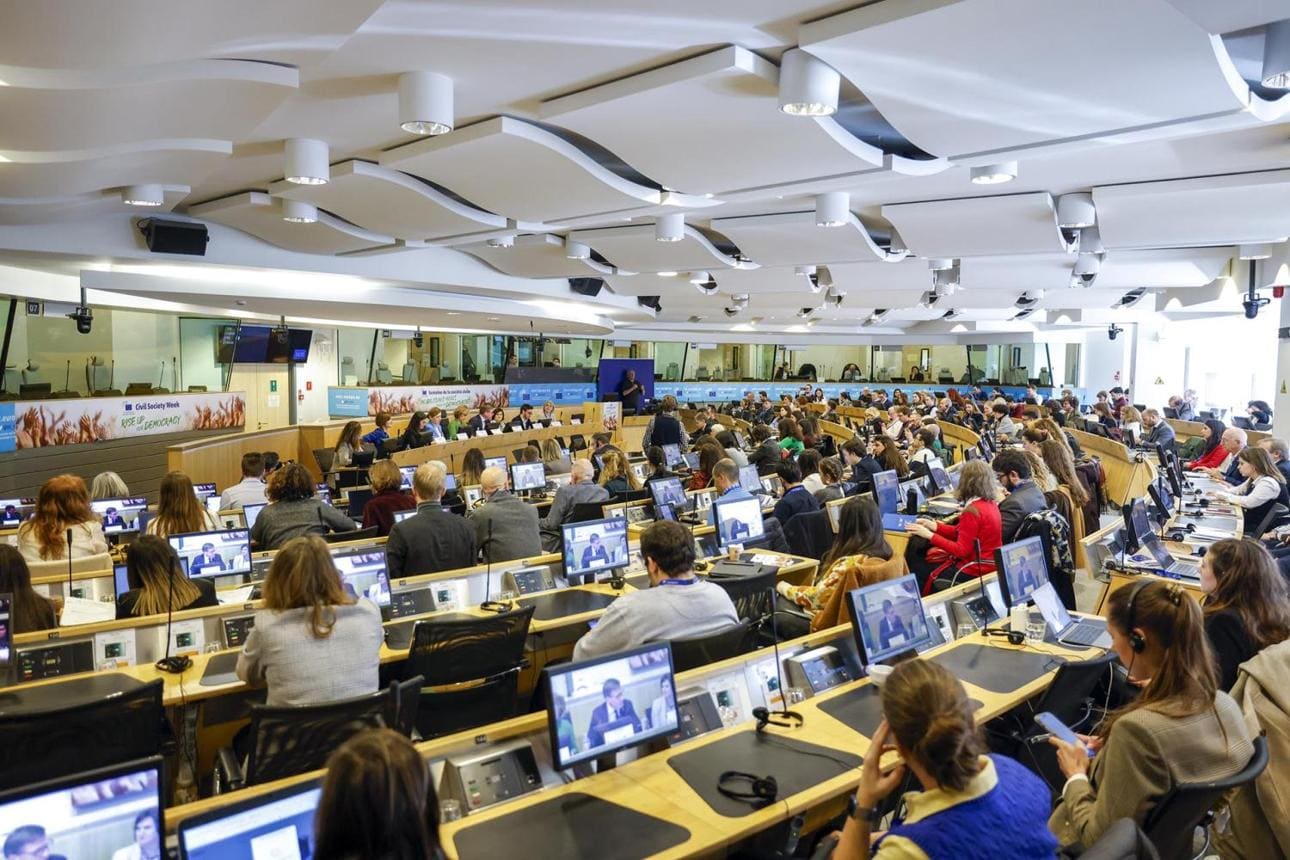
The timing, alongside the sector’s main annual gathering, is deliberate. The forum draws agency leaders, industry executives and regulators to take stock of a programme that is increasingly central to European ambitions on both economic competitiveness and strategic autonomy. Space has migrated from the margins of policy to its core, bound up with defence, climate and the bloc’s anxiety about depending on others for critical capabilities, and the entrepreneurs collecting prizes this week are part of how Europe hopes to close that gap.
A hundred thousand euros will not, on its own, build a space company. The sums are seed money, and the harder question is whether Europe’s investment ecosystem will fund these ventures through the much larger rounds they will eventually need, or whether promising firms will once again drift towards deeper capital markets abroad.
For now, the agency is betting that a steady stream of small grants and the prestige of winning them will keep European space talent building on European systems. The returns will take years to read, but the direction is clear, as the continent works to make something commercial out of the satellites it has already paid for.