August 10, 2026
LATEST
Five Joint Defence Projects Launch Europe’s Military ShieldElectrification Plan Aims to Make Europe First Electro ContinentHorizon Europe Budget Fight Heats Up as Ministers Push BackGoogle’s DMA Fine Sets Off a Transatlantic Tariff ClashTwenty New University Alliances Join Erasmus for Two YearsForeign Subsidies Case Puts Temu in the EU’s SightsVan Tachographs Now Mandatory for Cross-Border FleetsStress Test Exposes Gaps in Euro Area Bank DefencesEurope Bets on a Gulf Partnership Before the Riyadh SummitWhy the Atlantic Route Now Runs Through MauritaniaKyiv and Chisinau Advance as the EU Accession Talks Gather PaceEurope’s New Digital Border System Beds In After a Rocky RolloutBrussels Mounts Its Largest Wildfire Response as the Fires SpreadRetail Spending Slipped in June, Wrong-Footing EconomistsHeatwave Warning Puts Brussels on Alert for Vulnerable GroupsKANAL’s 230 Million Euro Museum Sets a November Opening DatePension Savings Rules Get a Reset as the EU Scraps the 1% CapMedicine Shortages Move to the Heart of Europe’s Pharma ResetJapan Becomes Europe’s Closest Security Partner in AsiaCan Europe’s New Zealand Deal Anchor It in the Pacific?Five Joint Defence Projects Launch Europe’s Military ShieldElectrification Plan Aims to Make Europe First Electro ContinentHorizon Europe Budget Fight Heats Up as Ministers Push BackGoogle’s DMA Fine Sets Off a Transatlantic Tariff ClashTwenty New University Alliances Join Erasmus for Two YearsForeign Subsidies Case Puts Temu in the EU’s SightsVan Tachographs Now Mandatory for Cross-Border FleetsStress Test Exposes Gaps in Euro Area Bank DefencesEurope Bets on a Gulf Partnership Before the Riyadh SummitWhy the Atlantic Route Now Runs Through MauritaniaKyiv and Chisinau Advance as the EU Accession Talks Gather PaceEurope’s New Digital Border System Beds In After a Rocky RolloutBrussels Mounts Its Largest Wildfire Response as the Fires SpreadRetail Spending Slipped in June, Wrong-Footing EconomistsHeatwave Warning Puts Brussels on Alert for Vulnerable GroupsKANAL’s 230 Million Euro Museum Sets a November Opening DatePension Savings Rules Get a Reset as the EU Scraps the 1% CapMedicine Shortages Move to the Heart of Europe’s Pharma ResetJapan Becomes Europe’s Closest Security Partner in AsiaCan Europe’s New Zealand Deal Anchor It in the Pacific?
August 10, 2026
LATEST
Five Joint Defence Projects Launch Europe’s Military ShieldElectrification Plan Aims to Make Europe First Electro ContinentHorizon Europe Budget Fight Heats Up as Ministers Push BackGoogle’s DMA Fine Sets Off a Transatlantic Tariff ClashTwenty New University Alliances Join Erasmus for Two YearsForeign Subsidies Case Puts Temu in the EU’s SightsVan Tachographs Now Mandatory for Cross-Border FleetsStress Test Exposes Gaps in Euro Area Bank DefencesEurope Bets on a Gulf Partnership Before the Riyadh SummitWhy the Atlantic Route Now Runs Through MauritaniaKyiv and Chisinau Advance as the EU Accession Talks Gather PaceEurope’s New Digital Border System Beds In After a Rocky RolloutBrussels Mounts Its Largest Wildfire Response as the Fires SpreadRetail Spending Slipped in June, Wrong-Footing EconomistsHeatwave Warning Puts Brussels on Alert for Vulnerable GroupsKANAL’s 230 Million Euro Museum Sets a November Opening DatePension Savings Rules Get a Reset as the EU Scraps the 1% CapMedicine Shortages Move to the Heart of Europe’s Pharma ResetJapan Becomes Europe’s Closest Security Partner in AsiaCan Europe’s New Zealand Deal Anchor It in the Pacific?Five Joint Defence Projects Launch Europe’s Military ShieldElectrification Plan Aims to Make Europe First Electro ContinentHorizon Europe Budget Fight Heats Up as Ministers Push BackGoogle’s DMA Fine Sets Off a Transatlantic Tariff ClashTwenty New University Alliances Join Erasmus for Two YearsForeign Subsidies Case Puts Temu in the EU’s SightsVan Tachographs Now Mandatory for Cross-Border FleetsStress Test Exposes Gaps in Euro Area Bank DefencesEurope Bets on a Gulf Partnership Before the Riyadh SummitWhy the Atlantic Route Now Runs Through MauritaniaKyiv and Chisinau Advance as the EU Accession Talks Gather PaceEurope’s New Digital Border System Beds In After a Rocky RolloutBrussels Mounts Its Largest Wildfire Response as the Fires SpreadRetail Spending Slipped in June, Wrong-Footing EconomistsHeatwave Warning Puts Brussels on Alert for Vulnerable GroupsKANAL’s 230 Million Euro Museum Sets a November Opening DatePension Savings Rules Get a Reset as the EU Scraps the 1% CapMedicine Shortages Move to the Heart of Europe’s Pharma ResetJapan Becomes Europe’s Closest Security Partner in AsiaCan Europe’s New Zealand Deal Anchor It in the Pacific?

Hungary Frozen Billions Test Europe Rule of Law Tools

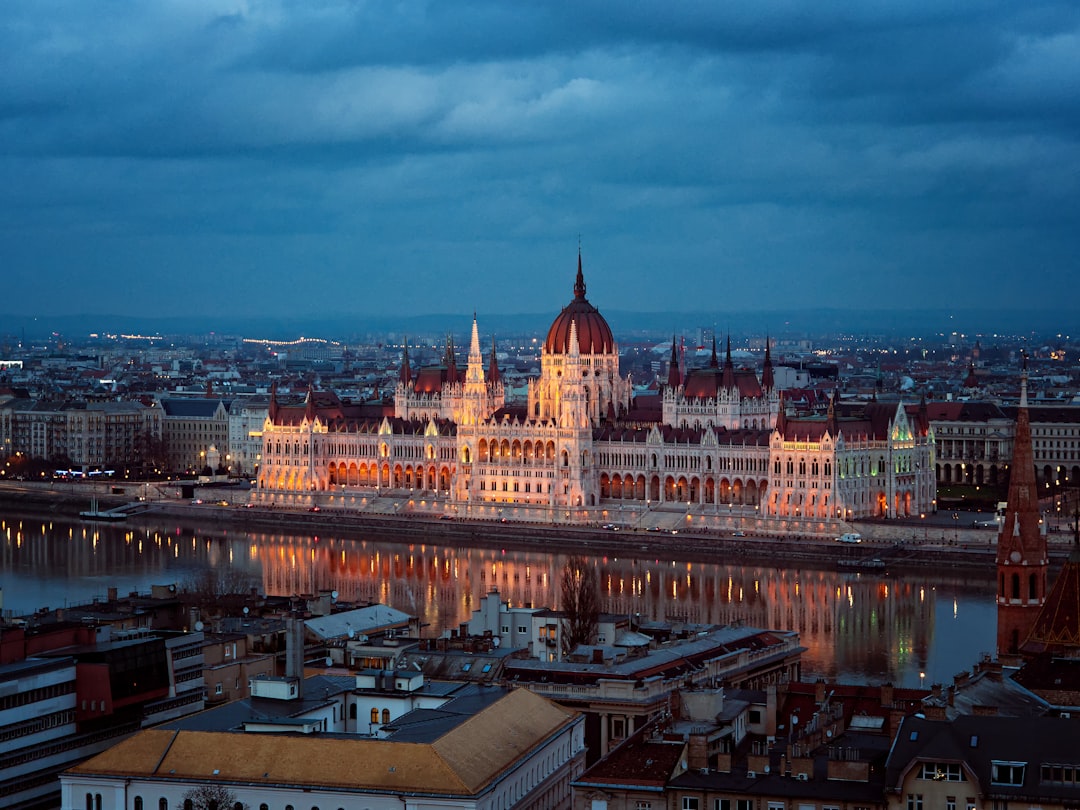
Budapest: The largest test of Europe’s rule of law machinery is not a courtroom argument but a calendar. Roughly €10.4 billion in Recovery and Resilience Facility money carries an access deadline at the end of August, and if Hungary cannot unlock it in time the funds lapse. Add €7.4 billion in cohesion money and about €17 billion sits frozen over concerns about corruption, judicial independence and media pluralism.

A tool built for exactly this

The Conditionality Regulation was designed to tie EU money to respect for the rule of law, and the Commission has now used it twice, suspending funds to Poland and Hungary in late 2022. For Hungary the freeze reached 55 percent of three programmes, some €6.3 billion. Supporters call it the Union’s sharpest instrument; critics note that it took years to bite and that money still reaches some contested recipients.

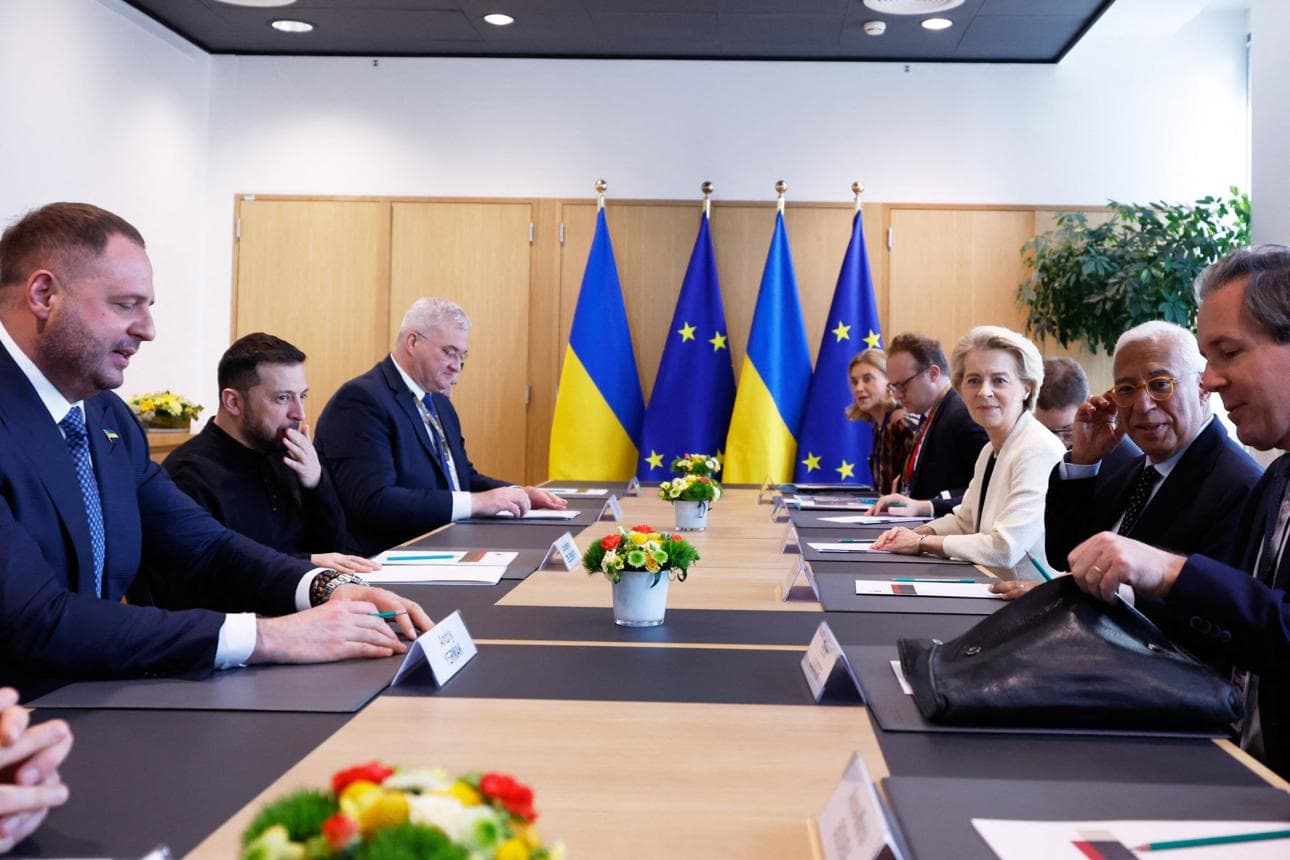
The politics have shifted with Hungary’s domestic contest. Talks between opposition leader Peter Magyar and Commission President Ursula von der Leyen have centred on releasing the frozen billions, while the European Parliament used a November 2025 resolution to condemn what it called Budapest’s transactional use of budget instruments and its repeated use of the Council veto as leverage. That charge — that a member state can trade its veto for cash — cuts to whether conditionality actually disciplines behaviour or merely invites bargaining.

Context matters here. The freeze did not fall on an abstraction; it touched cohesion projects, university budgets and infrastructure that ordinary Hungarians rely on, which is why the debate is never purely legal. Defenders of conditionality argue that tolerating backsliding would corrode the whole Union, since every member benefits from courts and contracts that behave predictably. Opponents counter that Brussels risks punishing citizens for the conduct of a government, and that selective enforcement invites accusations of double standards toward larger states. The tension is not new, but the August deadline forces it into the open in a way earlier standoffs did not.

Does freezing funds work

The honest answer is mixed. Withholding money undeniably concentrates minds, and the reform agenda now on the table ranges from strengthening judicial independence and anti-corruption safeguards to restoring academic freedom and media pluralism. Yet leverage lasts only while money is withheld, and a looming deadline pressures the Commission as much as Hungary, because letting €10.4 billion expire would be read as a failure of the recovery programme itself.

This is the paradox at the centre of the case. The threat to lose funds is credible only if Brussels is willing to see them lost, but losing them harms the very citizens the rules aim to protect. A phased approach — releasing money as specific milestones are met and clawing it back if reforms reverse — is where much expert thinking has landed, precisely because a single all-or-nothing deadline suits neither side. Whatever emerges before September will show how far the Union will go to turn budgetary power into constitutional discipline. Parliament’s own rule of law warning frames the stakes bluntly.