August 10, 2026
LATEST
Five Joint Defence Projects Launch Europe’s Military ShieldElectrification Plan Aims to Make Europe First Electro ContinentHorizon Europe Budget Fight Heats Up as Ministers Push BackGoogle’s DMA Fine Sets Off a Transatlantic Tariff ClashTwenty New University Alliances Join Erasmus for Two YearsForeign Subsidies Case Puts Temu in the EU’s SightsVan Tachographs Now Mandatory for Cross-Border FleetsStress Test Exposes Gaps in Euro Area Bank DefencesEurope Bets on a Gulf Partnership Before the Riyadh SummitWhy the Atlantic Route Now Runs Through MauritaniaKyiv and Chisinau Advance as the EU Accession Talks Gather PaceEurope’s New Digital Border System Beds In After a Rocky RolloutBrussels Mounts Its Largest Wildfire Response as the Fires SpreadRetail Spending Slipped in June, Wrong-Footing EconomistsHeatwave Warning Puts Brussels on Alert for Vulnerable GroupsKANAL’s 230 Million Euro Museum Sets a November Opening DatePension Savings Rules Get a Reset as the EU Scraps the 1% CapMedicine Shortages Move to the Heart of Europe’s Pharma ResetJapan Becomes Europe’s Closest Security Partner in AsiaCan Europe’s New Zealand Deal Anchor It in the Pacific?Five Joint Defence Projects Launch Europe’s Military ShieldElectrification Plan Aims to Make Europe First Electro ContinentHorizon Europe Budget Fight Heats Up as Ministers Push BackGoogle’s DMA Fine Sets Off a Transatlantic Tariff ClashTwenty New University Alliances Join Erasmus for Two YearsForeign Subsidies Case Puts Temu in the EU’s SightsVan Tachographs Now Mandatory for Cross-Border FleetsStress Test Exposes Gaps in Euro Area Bank DefencesEurope Bets on a Gulf Partnership Before the Riyadh SummitWhy the Atlantic Route Now Runs Through MauritaniaKyiv and Chisinau Advance as the EU Accession Talks Gather PaceEurope’s New Digital Border System Beds In After a Rocky RolloutBrussels Mounts Its Largest Wildfire Response as the Fires SpreadRetail Spending Slipped in June, Wrong-Footing EconomistsHeatwave Warning Puts Brussels on Alert for Vulnerable GroupsKANAL’s 230 Million Euro Museum Sets a November Opening DatePension Savings Rules Get a Reset as the EU Scraps the 1% CapMedicine Shortages Move to the Heart of Europe’s Pharma ResetJapan Becomes Europe’s Closest Security Partner in AsiaCan Europe’s New Zealand Deal Anchor It in the Pacific?
August 10, 2026
LATEST
Five Joint Defence Projects Launch Europe’s Military ShieldElectrification Plan Aims to Make Europe First Electro ContinentHorizon Europe Budget Fight Heats Up as Ministers Push BackGoogle’s DMA Fine Sets Off a Transatlantic Tariff ClashTwenty New University Alliances Join Erasmus for Two YearsForeign Subsidies Case Puts Temu in the EU’s SightsVan Tachographs Now Mandatory for Cross-Border FleetsStress Test Exposes Gaps in Euro Area Bank DefencesEurope Bets on a Gulf Partnership Before the Riyadh SummitWhy the Atlantic Route Now Runs Through MauritaniaKyiv and Chisinau Advance as the EU Accession Talks Gather PaceEurope’s New Digital Border System Beds In After a Rocky RolloutBrussels Mounts Its Largest Wildfire Response as the Fires SpreadRetail Spending Slipped in June, Wrong-Footing EconomistsHeatwave Warning Puts Brussels on Alert for Vulnerable GroupsKANAL’s 230 Million Euro Museum Sets a November Opening DatePension Savings Rules Get a Reset as the EU Scraps the 1% CapMedicine Shortages Move to the Heart of Europe’s Pharma ResetJapan Becomes Europe’s Closest Security Partner in AsiaCan Europe’s New Zealand Deal Anchor It in the Pacific?Five Joint Defence Projects Launch Europe’s Military ShieldElectrification Plan Aims to Make Europe First Electro ContinentHorizon Europe Budget Fight Heats Up as Ministers Push BackGoogle’s DMA Fine Sets Off a Transatlantic Tariff ClashTwenty New University Alliances Join Erasmus for Two YearsForeign Subsidies Case Puts Temu in the EU’s SightsVan Tachographs Now Mandatory for Cross-Border FleetsStress Test Exposes Gaps in Euro Area Bank DefencesEurope Bets on a Gulf Partnership Before the Riyadh SummitWhy the Atlantic Route Now Runs Through MauritaniaKyiv and Chisinau Advance as the EU Accession Talks Gather PaceEurope’s New Digital Border System Beds In After a Rocky RolloutBrussels Mounts Its Largest Wildfire Response as the Fires SpreadRetail Spending Slipped in June, Wrong-Footing EconomistsHeatwave Warning Puts Brussels on Alert for Vulnerable GroupsKANAL’s 230 Million Euro Museum Sets a November Opening DatePension Savings Rules Get a Reset as the EU Scraps the 1% CapMedicine Shortages Move to the Heart of Europe’s Pharma ResetJapan Becomes Europe’s Closest Security Partner in AsiaCan Europe’s New Zealand Deal Anchor It in the Pacific?

Top Court Tells States to Jail Their Own If Cells Abroad Fail

Rome: A surrender refused on human-rights grounds can no longer mean a sentence quietly forgotten. In a ruling delivered this month, the Court of Justice of the European Union told member states that when they decline to execute a European Arrest Warrant because prison conditions in the requesting country would breach fundamental rights, they must take all possible steps to ensure the custodial sentence is enforced on their own territory instead. The decision tightens a system that has long balanced mutual trust between national courts against the reality that detention standards across the Union vary sharply.

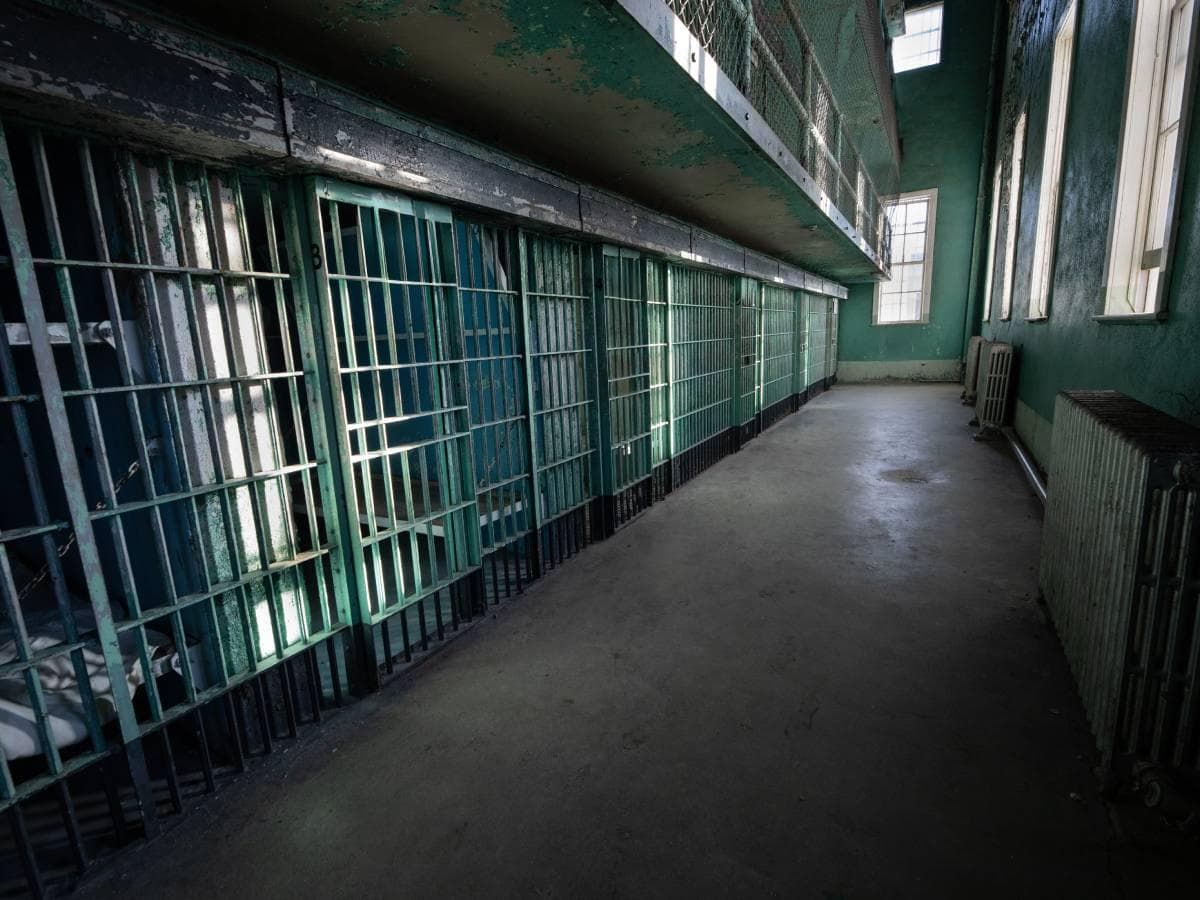
The European Arrest Warrant is one of the Union’s flagship instruments of judicial cooperation, allowing a court in one member state to demand the surrender of a suspect or convict from another with minimal formality. Its foundation is mutual trust, the presumption that every member state respects fundamental rights to a comparable degree. That presumption has frayed where overcrowded or degrading prisons are documented, and earlier case law already allowed a court to refuse surrender if it found a real risk that the person would face inhuman or degrading treatment after transfer.

The gap that refusal opened is what the Court has now addressed. Until this ruling, a person whose surrender was blocked over detention conditions could, in effect, escape punishment altogether, because the requesting state could not take custody and the refusing state was not clearly obliged to act in its place. By requiring the executing state to enforce the sentence itself wherever possible, the judges closed a loophole that risked turning a human-rights safeguard into an impunity gap, an outcome that undermined both victims’ interests and confidence in the warrant system.

The Court has been busy mapping the edges of detention law more broadly. In related guidance, an Advocate General advised that member states retain their obligations toward asylum seekers even when detention facilities are located outside the Union’s territory, and the judges have clarified that a centre holding an applicant under a border procedure need not physically sit at the border. Together the rulings sketch a principle that procedural arrangements and geography cannot be used to shed the protections the law guarantees to people in custody.

Why it matters is that the warrant underpins everyday cross-border justice, from prosecuting fraud to returning fugitives. If national courts routinely refused to surrender suspects without any alternative mechanism, serious offenders could exploit the patchwork of prison standards to evade accountability. The ruling tries to preserve the safeguard against bad prisons while denying offenders the windfall of walking free, asking the refusing state to shoulder the burden of enforcement rather than letting the case collapse.

What comes next falls to national authorities, who must now build or adapt procedures to take over sentences they once simply declined to execute. The practical demands are real, involving recognition of foreign judgments and the transfer of enforcement responsibility, and capacity will differ from country to country. The deeper pressure, though, points back at the prisons themselves: the surest way to stop surrenders being refused is to fix the detention conditions that prompt the refusals in the first place.