August 10, 2026
LATEST
Five Joint Defence Projects Launch Europe’s Military ShieldElectrification Plan Aims to Make Europe First Electro ContinentHorizon Europe Budget Fight Heats Up as Ministers Push BackGoogle’s DMA Fine Sets Off a Transatlantic Tariff ClashTwenty New University Alliances Join Erasmus for Two YearsForeign Subsidies Case Puts Temu in the EU’s SightsVan Tachographs Now Mandatory for Cross-Border FleetsStress Test Exposes Gaps in Euro Area Bank DefencesEurope Bets on a Gulf Partnership Before the Riyadh SummitWhy the Atlantic Route Now Runs Through MauritaniaKyiv and Chisinau Advance as the EU Accession Talks Gather PaceEurope’s New Digital Border System Beds In After a Rocky RolloutBrussels Mounts Its Largest Wildfire Response as the Fires SpreadRetail Spending Slipped in June, Wrong-Footing EconomistsHeatwave Warning Puts Brussels on Alert for Vulnerable GroupsKANAL’s 230 Million Euro Museum Sets a November Opening DatePension Savings Rules Get a Reset as the EU Scraps the 1% CapMedicine Shortages Move to the Heart of Europe’s Pharma ResetJapan Becomes Europe’s Closest Security Partner in AsiaCan Europe’s New Zealand Deal Anchor It in the Pacific?Five Joint Defence Projects Launch Europe’s Military ShieldElectrification Plan Aims to Make Europe First Electro ContinentHorizon Europe Budget Fight Heats Up as Ministers Push BackGoogle’s DMA Fine Sets Off a Transatlantic Tariff ClashTwenty New University Alliances Join Erasmus for Two YearsForeign Subsidies Case Puts Temu in the EU’s SightsVan Tachographs Now Mandatory for Cross-Border FleetsStress Test Exposes Gaps in Euro Area Bank DefencesEurope Bets on a Gulf Partnership Before the Riyadh SummitWhy the Atlantic Route Now Runs Through MauritaniaKyiv and Chisinau Advance as the EU Accession Talks Gather PaceEurope’s New Digital Border System Beds In After a Rocky RolloutBrussels Mounts Its Largest Wildfire Response as the Fires SpreadRetail Spending Slipped in June, Wrong-Footing EconomistsHeatwave Warning Puts Brussels on Alert for Vulnerable GroupsKANAL’s 230 Million Euro Museum Sets a November Opening DatePension Savings Rules Get a Reset as the EU Scraps the 1% CapMedicine Shortages Move to the Heart of Europe’s Pharma ResetJapan Becomes Europe’s Closest Security Partner in AsiaCan Europe’s New Zealand Deal Anchor It in the Pacific?
August 10, 2026
LATEST
Five Joint Defence Projects Launch Europe’s Military ShieldElectrification Plan Aims to Make Europe First Electro ContinentHorizon Europe Budget Fight Heats Up as Ministers Push BackGoogle’s DMA Fine Sets Off a Transatlantic Tariff ClashTwenty New University Alliances Join Erasmus for Two YearsForeign Subsidies Case Puts Temu in the EU’s SightsVan Tachographs Now Mandatory for Cross-Border FleetsStress Test Exposes Gaps in Euro Area Bank DefencesEurope Bets on a Gulf Partnership Before the Riyadh SummitWhy the Atlantic Route Now Runs Through MauritaniaKyiv and Chisinau Advance as the EU Accession Talks Gather PaceEurope’s New Digital Border System Beds In After a Rocky RolloutBrussels Mounts Its Largest Wildfire Response as the Fires SpreadRetail Spending Slipped in June, Wrong-Footing EconomistsHeatwave Warning Puts Brussels on Alert for Vulnerable GroupsKANAL’s 230 Million Euro Museum Sets a November Opening DatePension Savings Rules Get a Reset as the EU Scraps the 1% CapMedicine Shortages Move to the Heart of Europe’s Pharma ResetJapan Becomes Europe’s Closest Security Partner in AsiaCan Europe’s New Zealand Deal Anchor It in the Pacific?Five Joint Defence Projects Launch Europe’s Military ShieldElectrification Plan Aims to Make Europe First Electro ContinentHorizon Europe Budget Fight Heats Up as Ministers Push BackGoogle’s DMA Fine Sets Off a Transatlantic Tariff ClashTwenty New University Alliances Join Erasmus for Two YearsForeign Subsidies Case Puts Temu in the EU’s SightsVan Tachographs Now Mandatory for Cross-Border FleetsStress Test Exposes Gaps in Euro Area Bank DefencesEurope Bets on a Gulf Partnership Before the Riyadh SummitWhy the Atlantic Route Now Runs Through MauritaniaKyiv and Chisinau Advance as the EU Accession Talks Gather PaceEurope’s New Digital Border System Beds In After a Rocky RolloutBrussels Mounts Its Largest Wildfire Response as the Fires SpreadRetail Spending Slipped in June, Wrong-Footing EconomistsHeatwave Warning Puts Brussels on Alert for Vulnerable GroupsKANAL’s 230 Million Euro Museum Sets a November Opening DatePension Savings Rules Get a Reset as the EU Scraps the 1% CapMedicine Shortages Move to the Heart of Europe’s Pharma ResetJapan Becomes Europe’s Closest Security Partner in AsiaCan Europe’s New Zealand Deal Anchor It in the Pacific?

Energy Costs Push Euro-Area Inflation Up To 3.2 Percent In May

Tallinn: Inflation in the euro area edged higher again last month, according to the flash estimate released by the European Union’s statistical office, with the headline rate reaching 3.2 percent in May, up from 3.0 percent in April. The figure keeps consumer-price growth comfortably above the European Central Bank’s two percent target and complicates the careful messaging the bank has offered about the direction of borrowing costs.

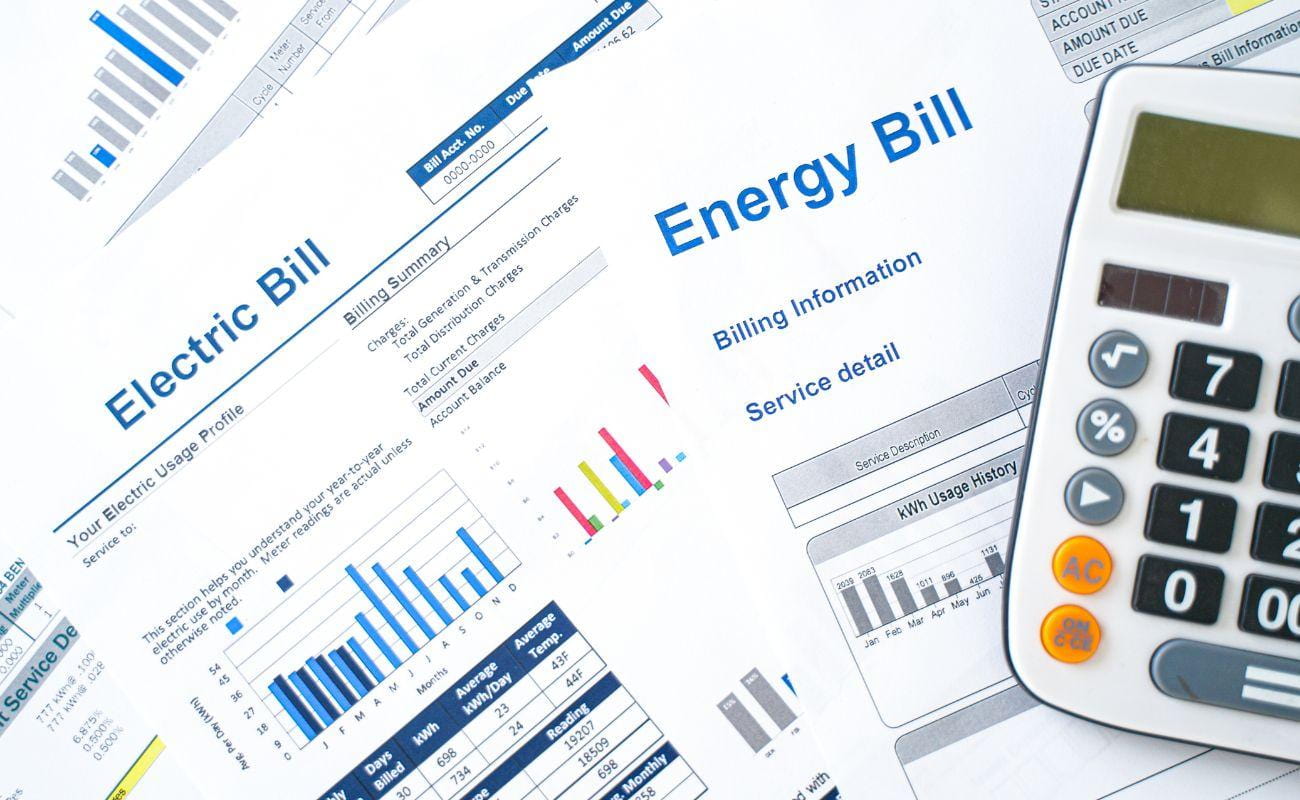
The detail underneath the headline tells the more interesting story. Energy was the dominant force, with prices rising 10.9 percent over the year, a dramatic jump from the 5.1 percent recorded in April. After two years in which falling energy costs flattered the headline figure, that base effect has reversed, and the same component is now pushing the index in the opposite direction. Services inflation, the measure many economists treat as the truest gauge of domestic price pressure, eased slightly to 3.0 percent from 3.2 percent. Food, alcohol and tobacco climbed to 2.5 percent, while non-energy industrial goods rose modestly to 0.8 percent.

The composition matters because policymakers respond to the parts, not just the whole. Energy-driven inflation tends to be treated as temporary, the product of swinging wholesale markets and geopolitical jolts rather than entrenched wage-price dynamics. Services inflation is the opposite, sticky and closely tied to labour costs, which is why its slight cooling will reassure officials more than the energy spike alarms them. A central bank can largely look through a fuel-price shock; it cannot ignore a services number that refuses to fall.

The averages also conceal a wide national spread. Smaller economies in the bloc’s east have repeatedly posted some of the steepest rates, while parts of the west have hovered nearer the target. That divergence is a structural headache for a single monetary policy. One interest rate has to serve countries living through very different price experiences, and households in higher-inflation member states feel the squeeze on real incomes long before any aggregate figure tips back toward target.

A flash estimate is, by design, provisional. It is built largely on early national data and a model for the components that arrive late, and the final reading published later in the month can move by a tenth of a point in either direction. The energy surge in particular will be scrutinised when the full breakdown lands, because a single volatile month says little about the underlying trend.

Still, the direction is awkward. After a long and largely successful disinflation, the move from 3.0 to 3.2 percent is a reminder that the last stretch back to target is rarely smooth. Energy markets remain hostage to events well beyond the bloc’s borders, and as long as that holds, the headline rate will keep wobbling around a downward path rather than gliding cleanly onto it. For households reading the number on a receipt rather than a spreadsheet, the distinction between transitory and persistent inflation is academic. The bill is higher either way.