The EU wildfire response for the summer of 2026 is the largest the bloc has ever assembled, with 777 firefighters from 14 countries pre-positioned before the first big blazes take hold. As heat builds across the Mediterranean, the Commission is wagering that readiness, rather than reaction, will decide how the season ends. It is the highest level of participation since the pre-positioning programme launched in 2022.
## What the 2026 EU wildfire response deploys
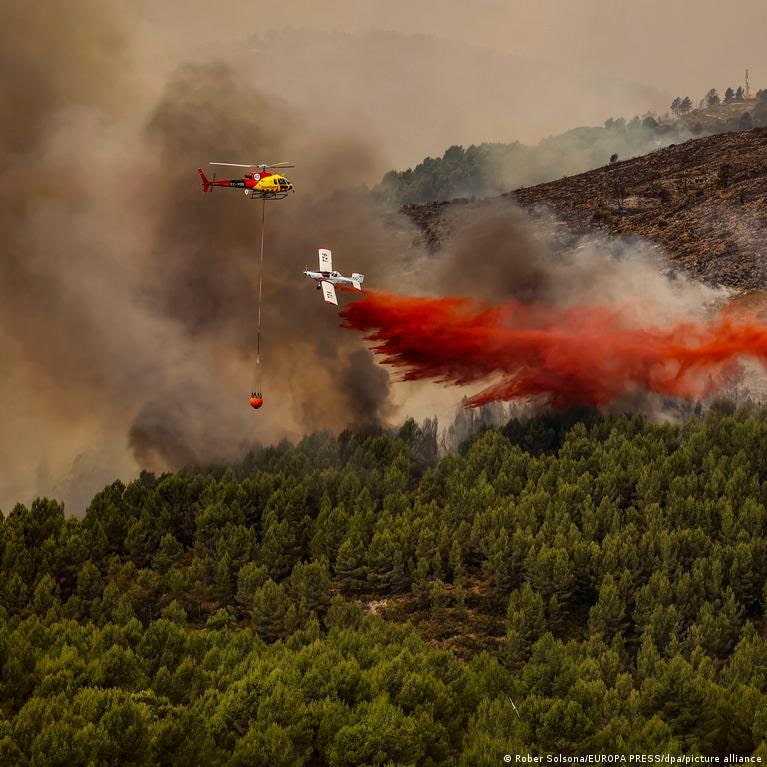
This year’s operation puts crews on the ground in the six countries that historically bear the brunt of summer fires: Cyprus, Greece, Italy, France, Spain and Portugal. Behind them sits a shared fleet of 22 firefighting aeroplanes and five helicopters, ready to move to whichever member state comes under pressure first.
Greece alone is contributing four medium amphibious aircraft to the pooled effort. The logic is simple. Fires rarely respect borders or peak in one place at a time, so a mobile European reserve can concentrate force where a national service is stretched thinnest.
## How the Civil Protection Mechanism coordinates help
When a country’s own capacity is overwhelmed, it can call on the EU Civil Protection Mechanism for operational assistance. The request is handled by the Emergency Response Coordination Centre, which runs around the clock and matches offers of aircraft, crews and equipment to the countries that need them.
For 2026 the Centre is reinforcing its monitoring with extra wildfire experts drawn from member states and partner countries, alongside specialists from the Commission’s scientific partnerships. The aim is to spot dangerous conditions days ahead, not hours.
## rescEU and the strategic reserve
Sitting above the shared fleet is rescEU, a strategic reserve financed directly by the EU and deployed only when national and pooled capacities fall short. It covers firefighting planes and helicopters, medical evacuation, field hospitals and stockpiles of essential supplies.
The reserve is still growing. The first helicopter of the rescEU fleet was delivered to Romania in January 2026 and is ready for this season. It is a modest addition on its own, but it signals a shift toward assets the bloc owns rather than borrows.
## A new firefighting hub in Cyprus
The EU will also open a new regional firefighting station in Cyprus during 2026, built to strengthen response across Europe and the southern Mediterranean. The site is designed to host the pre-positioning of six aircraft and to run training for civil protection crews from across the region.
Placing the hub in Cyprus is a statement of geography. The eastern Mediterranean now faces some of the longest and most intense fire seasons on the continent, and permanent infrastructure there shortens the distance between an alarm and a water drop.
## Why prevention now shapes the politics
The scale of the 2026 EU wildfire response reflects a harder truth: fire seasons are starting earlier and lasting longer as the climate warms. Each large deployment carries a bill, and member states are increasingly debating who pays for shared readiness and how much prevention work should sit alongside firefighting.
Solidarity is the selling point. A country that lends aircraft one summer may need them the next, and the pooled model spreads both the cost and the risk.
## What happens next
Through the season, experts at the Coordination Centre will track meteorological and scientific data and adjust deployments as conditions change. If 2026 follows recent years, the test will come in July and August, when heatwaves and dry winds align. For now, the bloc has positioned more people and machines earlier than ever, and the coming weeks will show whether that head start holds.