August 10, 2026
LATEST
After Nine Years, Europe and Australia Seal a Trade PactBeijing Answers Europe’s Russia Sanctions in KindOne Year On, the EU-Japan Alliance Faces Its First TestEurope’s Chip Ambitions Still Run Through Taiwan’s FabsWhy South Korea Bet Its Research Future on Europe’s ProgrammeEurope and Japan Deepen Their Economic Alliance as Rivals CircleFive Joint Defence Projects Launch Europe’s Military ShieldElectrification Plan Aims to Make Europe First Electro ContinentHorizon Europe Budget Fight Heats Up as Ministers Push BackGoogle’s DMA Fine Sets Off a Transatlantic Tariff ClashTwenty New University Alliances Join Erasmus for Two YearsForeign Subsidies Case Puts Temu in the EU’s SightsVan Tachographs Now Mandatory for Cross-Border FleetsStress Test Exposes Gaps in Euro Area Bank DefencesEurope Bets on a Gulf Partnership Before the Riyadh SummitWhy the Atlantic Route Now Runs Through MauritaniaKyiv and Chisinau Advance as the EU Accession Talks Gather PaceEurope’s New Digital Border System Beds In After a Rocky RolloutBrussels Mounts Its Largest Wildfire Response as the Fires SpreadRetail Spending Slipped in June, Wrong-Footing EconomistsAfter Nine Years, Europe and Australia Seal a Trade PactBeijing Answers Europe’s Russia Sanctions in KindOne Year On, the EU-Japan Alliance Faces Its First TestEurope’s Chip Ambitions Still Run Through Taiwan’s FabsWhy South Korea Bet Its Research Future on Europe’s ProgrammeEurope and Japan Deepen Their Economic Alliance as Rivals CircleFive Joint Defence Projects Launch Europe’s Military ShieldElectrification Plan Aims to Make Europe First Electro ContinentHorizon Europe Budget Fight Heats Up as Ministers Push BackGoogle’s DMA Fine Sets Off a Transatlantic Tariff ClashTwenty New University Alliances Join Erasmus for Two YearsForeign Subsidies Case Puts Temu in the EU’s SightsVan Tachographs Now Mandatory for Cross-Border FleetsStress Test Exposes Gaps in Euro Area Bank DefencesEurope Bets on a Gulf Partnership Before the Riyadh SummitWhy the Atlantic Route Now Runs Through MauritaniaKyiv and Chisinau Advance as the EU Accession Talks Gather PaceEurope’s New Digital Border System Beds In After a Rocky RolloutBrussels Mounts Its Largest Wildfire Response as the Fires SpreadRetail Spending Slipped in June, Wrong-Footing Economists
August 10, 2026
LATEST
After Nine Years, Europe and Australia Seal a Trade PactBeijing Answers Europe’s Russia Sanctions in KindOne Year On, the EU-Japan Alliance Faces Its First TestEurope’s Chip Ambitions Still Run Through Taiwan’s FabsWhy South Korea Bet Its Research Future on Europe’s ProgrammeEurope and Japan Deepen Their Economic Alliance as Rivals CircleFive Joint Defence Projects Launch Europe’s Military ShieldElectrification Plan Aims to Make Europe First Electro ContinentHorizon Europe Budget Fight Heats Up as Ministers Push BackGoogle’s DMA Fine Sets Off a Transatlantic Tariff ClashTwenty New University Alliances Join Erasmus for Two YearsForeign Subsidies Case Puts Temu in the EU’s SightsVan Tachographs Now Mandatory for Cross-Border FleetsStress Test Exposes Gaps in Euro Area Bank DefencesEurope Bets on a Gulf Partnership Before the Riyadh SummitWhy the Atlantic Route Now Runs Through MauritaniaKyiv and Chisinau Advance as the EU Accession Talks Gather PaceEurope’s New Digital Border System Beds In After a Rocky RolloutBrussels Mounts Its Largest Wildfire Response as the Fires SpreadRetail Spending Slipped in June, Wrong-Footing EconomistsAfter Nine Years, Europe and Australia Seal a Trade PactBeijing Answers Europe’s Russia Sanctions in KindOne Year On, the EU-Japan Alliance Faces Its First TestEurope’s Chip Ambitions Still Run Through Taiwan’s FabsWhy South Korea Bet Its Research Future on Europe’s ProgrammeEurope and Japan Deepen Their Economic Alliance as Rivals CircleFive Joint Defence Projects Launch Europe’s Military ShieldElectrification Plan Aims to Make Europe First Electro ContinentHorizon Europe Budget Fight Heats Up as Ministers Push BackGoogle’s DMA Fine Sets Off a Transatlantic Tariff ClashTwenty New University Alliances Join Erasmus for Two YearsForeign Subsidies Case Puts Temu in the EU’s SightsVan Tachographs Now Mandatory for Cross-Border FleetsStress Test Exposes Gaps in Euro Area Bank DefencesEurope Bets on a Gulf Partnership Before the Riyadh SummitWhy the Atlantic Route Now Runs Through MauritaniaKyiv and Chisinau Advance as the EU Accession Talks Gather PaceEurope’s New Digital Border System Beds In After a Rocky RolloutBrussels Mounts Its Largest Wildfire Response as the Fires SpreadRetail Spending Slipped in June, Wrong-Footing Economists

Refuse An Extradition, Then Serve The Sentence At Home, EU Says

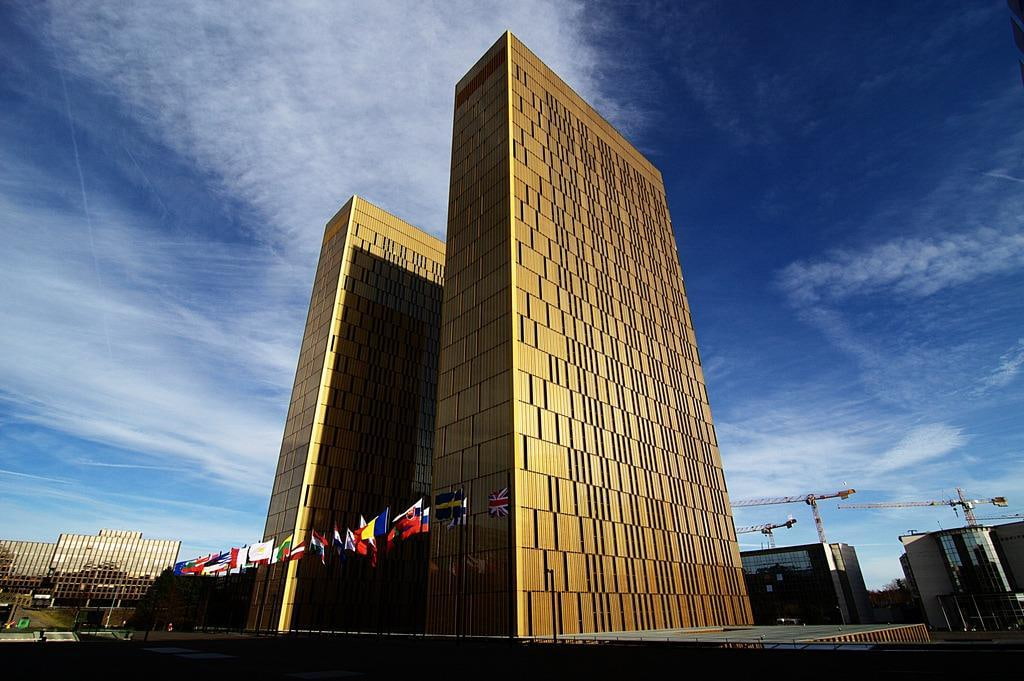
A national court that refuses to hand over a wanted person cannot simply let that person walk free, the Court of Justice of the European Union ruled on 4 June, tightening the obligations that bind judges when they block a European arrest warrant on human-rights grounds.

The case turned on a recurring dilemma in the bloc’s system of cross-border justice. Surrender between member states rests on mutual trust: each country is meant to accept the others’ courts and prisons as broadly equivalent. But that trust frays when detention conditions in the requesting state are so poor that handing someone over would expose them to inhuman or degrading treatment. Belgian authorities had declined to execute a warrant precisely for that reason, leaving open the question of what should happen next.

The answer from Luxembourg is that refusal cannot become a free pass. A member state that turns down a warrant because of detention conditions in the issuing country must take all possible steps to ensure the custodial sentence is enforced on its own territory instead. Judges must, on their own initiative, ask the issuing authorities to transmit the judgment underlying the warrant and then arrange for the sentence to be served domestically. The point is to close the impunity gap that would otherwise open whenever a surrender is blocked.

The ruling adds a notable wrinkle on consent. As a rule, a convicted person must agree before a sentence handed down in one country can be served in another. The court carved out an exception: that consent is not required where it appears the person left the convicting state in order to evade the punishment. The logic is straightforward. Allowing someone to escape a sentence simply by fleeing to a country holding a refusal in hand would reward exactly the behaviour the system is designed to prevent.

The decision sits atop a line of case law stretching back to the Aranyosi and Caldararu judgments, which established that surrender must be postponed or refused where there is a real risk of ill-treatment because of prison conditions. Those earlier rulings gave courts a shield against complicity in abuse. The new judgment supplies the missing second half: having raised the shield, a court must still pick up the burden of enforcing justice itself.

For the bloc’s prosecutors, the practical workload shifts. Refusing a warrant once ended the matter at the border; now it triggers a duty to gather the foreign judgment, assess it and put the machinery of domestic enforcement in motion. That is more demanding, and it will test whether national systems are equipped to take over sentences imposed elsewhere. But it also answers a persistent criticism that fundamental-rights objections were becoming a route to escape punishment altogether.

The wider significance lies in how the court balances two values it has long insisted are not in conflict. Mutual trust keeps the warrant system running; respect for fundamental rights keeps it legitimate. By requiring a refusing state to shoulder the sentence, the judges have tried to honour both at once, refusing to let either collapse into the other. Detention conditions across the Union remain uneven, and refusals are likely to continue. What changes is that a refusal now opens a door to enforcement at home rather than closing the case entirely.