August 10, 2026
LATEST
Five Joint Defence Projects Launch Europe’s Military ShieldElectrification Plan Aims to Make Europe First Electro ContinentHorizon Europe Budget Fight Heats Up as Ministers Push BackGoogle’s DMA Fine Sets Off a Transatlantic Tariff ClashTwenty New University Alliances Join Erasmus for Two YearsForeign Subsidies Case Puts Temu in the EU’s SightsVan Tachographs Now Mandatory for Cross-Border FleetsStress Test Exposes Gaps in Euro Area Bank DefencesEurope Bets on a Gulf Partnership Before the Riyadh SummitWhy the Atlantic Route Now Runs Through MauritaniaKyiv and Chisinau Advance as the EU Accession Talks Gather PaceEurope’s New Digital Border System Beds In After a Rocky RolloutBrussels Mounts Its Largest Wildfire Response as the Fires SpreadRetail Spending Slipped in June, Wrong-Footing EconomistsHeatwave Warning Puts Brussels on Alert for Vulnerable GroupsKANAL’s 230 Million Euro Museum Sets a November Opening DatePension Savings Rules Get a Reset as the EU Scraps the 1% CapMedicine Shortages Move to the Heart of Europe’s Pharma ResetJapan Becomes Europe’s Closest Security Partner in AsiaCan Europe’s New Zealand Deal Anchor It in the Pacific?Five Joint Defence Projects Launch Europe’s Military ShieldElectrification Plan Aims to Make Europe First Electro ContinentHorizon Europe Budget Fight Heats Up as Ministers Push BackGoogle’s DMA Fine Sets Off a Transatlantic Tariff ClashTwenty New University Alliances Join Erasmus for Two YearsForeign Subsidies Case Puts Temu in the EU’s SightsVan Tachographs Now Mandatory for Cross-Border FleetsStress Test Exposes Gaps in Euro Area Bank DefencesEurope Bets on a Gulf Partnership Before the Riyadh SummitWhy the Atlantic Route Now Runs Through MauritaniaKyiv and Chisinau Advance as the EU Accession Talks Gather PaceEurope’s New Digital Border System Beds In After a Rocky RolloutBrussels Mounts Its Largest Wildfire Response as the Fires SpreadRetail Spending Slipped in June, Wrong-Footing EconomistsHeatwave Warning Puts Brussels on Alert for Vulnerable GroupsKANAL’s 230 Million Euro Museum Sets a November Opening DatePension Savings Rules Get a Reset as the EU Scraps the 1% CapMedicine Shortages Move to the Heart of Europe’s Pharma ResetJapan Becomes Europe’s Closest Security Partner in AsiaCan Europe’s New Zealand Deal Anchor It in the Pacific?
August 10, 2026
LATEST
Five Joint Defence Projects Launch Europe’s Military ShieldElectrification Plan Aims to Make Europe First Electro ContinentHorizon Europe Budget Fight Heats Up as Ministers Push BackGoogle’s DMA Fine Sets Off a Transatlantic Tariff ClashTwenty New University Alliances Join Erasmus for Two YearsForeign Subsidies Case Puts Temu in the EU’s SightsVan Tachographs Now Mandatory for Cross-Border FleetsStress Test Exposes Gaps in Euro Area Bank DefencesEurope Bets on a Gulf Partnership Before the Riyadh SummitWhy the Atlantic Route Now Runs Through MauritaniaKyiv and Chisinau Advance as the EU Accession Talks Gather PaceEurope’s New Digital Border System Beds In After a Rocky RolloutBrussels Mounts Its Largest Wildfire Response as the Fires SpreadRetail Spending Slipped in June, Wrong-Footing EconomistsHeatwave Warning Puts Brussels on Alert for Vulnerable GroupsKANAL’s 230 Million Euro Museum Sets a November Opening DatePension Savings Rules Get a Reset as the EU Scraps the 1% CapMedicine Shortages Move to the Heart of Europe’s Pharma ResetJapan Becomes Europe’s Closest Security Partner in AsiaCan Europe’s New Zealand Deal Anchor It in the Pacific?Five Joint Defence Projects Launch Europe’s Military ShieldElectrification Plan Aims to Make Europe First Electro ContinentHorizon Europe Budget Fight Heats Up as Ministers Push BackGoogle’s DMA Fine Sets Off a Transatlantic Tariff ClashTwenty New University Alliances Join Erasmus for Two YearsForeign Subsidies Case Puts Temu in the EU’s SightsVan Tachographs Now Mandatory for Cross-Border FleetsStress Test Exposes Gaps in Euro Area Bank DefencesEurope Bets on a Gulf Partnership Before the Riyadh SummitWhy the Atlantic Route Now Runs Through MauritaniaKyiv and Chisinau Advance as the EU Accession Talks Gather PaceEurope’s New Digital Border System Beds In After a Rocky RolloutBrussels Mounts Its Largest Wildfire Response as the Fires SpreadRetail Spending Slipped in June, Wrong-Footing EconomistsHeatwave Warning Puts Brussels on Alert for Vulnerable GroupsKANAL’s 230 Million Euro Museum Sets a November Opening DatePension Savings Rules Get a Reset as the EU Scraps the 1% CapMedicine Shortages Move to the Heart of Europe’s Pharma ResetJapan Becomes Europe’s Closest Security Partner in AsiaCan Europe’s New Zealand Deal Anchor It in the Pacific?

New Delhi Drives EU FTA Toward Q3 Signature as Procurement Gap Hangs

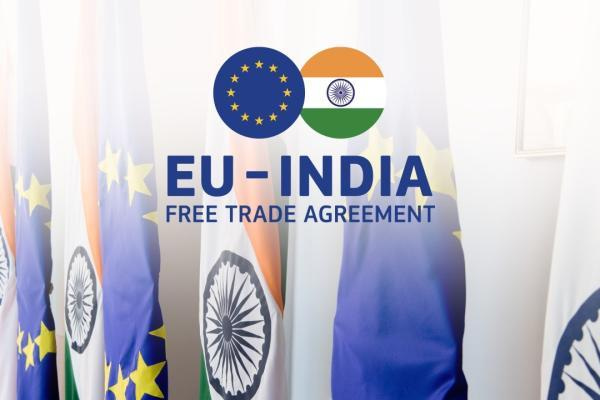
New Delhi: The EU-India free trade agreement concluded on 27 January 2026 has entered the most fragile stretch of its life cycle, the legal-vetting and signature corridor between political announcement and formal commitment. European Commission officials have privately targeted the third quarter for ministerial signatures, with the Council of the European Union and the European Parliament expected to begin consent procedures in late autumn. On the Indian side, the Cabinet Committee on Economic Affairs is positioned to clear the text once translation is complete. That timeline, ambitious by any measure for a deal covering nearly a quarter of world output and two billion people, depends on Brussels and New Delhi resisting the temptation to reopen chapters that survived the final negotiating round only because both sides agreed to defer their hardest disputes.

The most consequential gap remains government procurement. India’s central, state and public-sector enterprise procurement market is estimated at roughly six hundred billion dollars annually, and the absence of a procurement chapter from the concluded text means EU suppliers in railways, defence, healthcare and renewables will continue to face the discretionary preferences that have historically reserved large slices of Indian public spending for domestic firms. Carnegie’s May analysis identified that gap as the single most important indicator of whether the agreement is, in substance, the strategic instrument both governments have advertised, or whether it remains a market-access deal dressed in geopolitical language. A second gap, investment protection, was formally deferred to a parallel negotiating track, meaning European investors crossing into Indian states without a bilateral investment treaty will continue to face the legal vacuum that has shadowed the relationship since New Delhi terminated its earlier instruments.

These omissions matter because they shape the political case Brussels will need to make to its own constituents during the consent phase. The European Parliament’s International Trade Committee has signalled it will scrutinise sustainability commitments and the enforcement architecture for labour and environment chapters more closely than for any deal since the Mercosur agreement. Several member states have indicated they will press the Commission to clarify how India’s labour-code reforms intersect with the bound commitments in the text. The Commission’s confidence that the agreement can pass the European Parliament in a single reading rests on the premise that the deal’s strategic logic, diversifying supply chains away from China and anchoring a democratic Indo-Pacific partner, will outweigh the chapter-level criticism any modern FTA invites.

That bet is not unreasonable, but it is exposed. Bilateral goods trade between the two sides reached approximately 124 billion euros last year, and the Commission projects EU goods exports to India could effectively double by 2032, with tariff elimination on more than 96 per cent of EU exports as the headline number. Sensitive Indian sectors, automotive, wines and spirits, dairy, are protected by tariff-rate quotas rather than full liberalisation, and the EU has accepted longer phase-in periods that critics argue could allow domestic producers to consolidate market positions before European competitors fully arrive. For India, labour-intensive exports such as textiles, footwear, leather and marine products gain immediate tariff relief in a European market that has tightened on competing suppliers from Bangladesh and Cambodia.

The Q3 window is therefore as much political as legal. If the signature ceremony slips into 2027, the agreement will collide with the European Parliament’s mid-term recalibration of trade policy and with India’s own political calendar in the run-up to several large state elections. Both sides know that delay is a stronger enemy than disagreement. The procurement and investment gaps, however damaging in substance, are easier to revisit through subsequent rounds than to negotiate from scratch after the political momentum has dissipated. The strategic test of the agreement, in other words, has shifted from concluding it to keeping it alive between January and December.