August 10, 2026
LATEST
Why South Korea Bet Its Research Future on Europe’s ProgrammeEurope and Japan Deepen Their Economic Alliance as Rivals CircleFive Joint Defence Projects Launch Europe’s Military ShieldElectrification Plan Aims to Make Europe First Electro ContinentHorizon Europe Budget Fight Heats Up as Ministers Push BackGoogle’s DMA Fine Sets Off a Transatlantic Tariff ClashTwenty New University Alliances Join Erasmus for Two YearsForeign Subsidies Case Puts Temu in the EU’s SightsVan Tachographs Now Mandatory for Cross-Border FleetsStress Test Exposes Gaps in Euro Area Bank DefencesEurope Bets on a Gulf Partnership Before the Riyadh SummitWhy the Atlantic Route Now Runs Through MauritaniaKyiv and Chisinau Advance as the EU Accession Talks Gather PaceEurope’s New Digital Border System Beds In After a Rocky RolloutBrussels Mounts Its Largest Wildfire Response as the Fires SpreadRetail Spending Slipped in June, Wrong-Footing EconomistsHeatwave Warning Puts Brussels on Alert for Vulnerable GroupsKANAL’s 230 Million Euro Museum Sets a November Opening DatePension Savings Rules Get a Reset as the EU Scraps the 1% CapMedicine Shortages Move to the Heart of Europe’s Pharma ResetWhy South Korea Bet Its Research Future on Europe’s ProgrammeEurope and Japan Deepen Their Economic Alliance as Rivals CircleFive Joint Defence Projects Launch Europe’s Military ShieldElectrification Plan Aims to Make Europe First Electro ContinentHorizon Europe Budget Fight Heats Up as Ministers Push BackGoogle’s DMA Fine Sets Off a Transatlantic Tariff ClashTwenty New University Alliances Join Erasmus for Two YearsForeign Subsidies Case Puts Temu in the EU’s SightsVan Tachographs Now Mandatory for Cross-Border FleetsStress Test Exposes Gaps in Euro Area Bank DefencesEurope Bets on a Gulf Partnership Before the Riyadh SummitWhy the Atlantic Route Now Runs Through MauritaniaKyiv and Chisinau Advance as the EU Accession Talks Gather PaceEurope’s New Digital Border System Beds In After a Rocky RolloutBrussels Mounts Its Largest Wildfire Response as the Fires SpreadRetail Spending Slipped in June, Wrong-Footing EconomistsHeatwave Warning Puts Brussels on Alert for Vulnerable GroupsKANAL’s 230 Million Euro Museum Sets a November Opening DatePension Savings Rules Get a Reset as the EU Scraps the 1% CapMedicine Shortages Move to the Heart of Europe’s Pharma Reset
August 10, 2026
LATEST
Why South Korea Bet Its Research Future on Europe’s ProgrammeEurope and Japan Deepen Their Economic Alliance as Rivals CircleFive Joint Defence Projects Launch Europe’s Military ShieldElectrification Plan Aims to Make Europe First Electro ContinentHorizon Europe Budget Fight Heats Up as Ministers Push BackGoogle’s DMA Fine Sets Off a Transatlantic Tariff ClashTwenty New University Alliances Join Erasmus for Two YearsForeign Subsidies Case Puts Temu in the EU’s SightsVan Tachographs Now Mandatory for Cross-Border FleetsStress Test Exposes Gaps in Euro Area Bank DefencesEurope Bets on a Gulf Partnership Before the Riyadh SummitWhy the Atlantic Route Now Runs Through MauritaniaKyiv and Chisinau Advance as the EU Accession Talks Gather PaceEurope’s New Digital Border System Beds In After a Rocky RolloutBrussels Mounts Its Largest Wildfire Response as the Fires SpreadRetail Spending Slipped in June, Wrong-Footing EconomistsHeatwave Warning Puts Brussels on Alert for Vulnerable GroupsKANAL’s 230 Million Euro Museum Sets a November Opening DatePension Savings Rules Get a Reset as the EU Scraps the 1% CapMedicine Shortages Move to the Heart of Europe’s Pharma ResetWhy South Korea Bet Its Research Future on Europe’s ProgrammeEurope and Japan Deepen Their Economic Alliance as Rivals CircleFive Joint Defence Projects Launch Europe’s Military ShieldElectrification Plan Aims to Make Europe First Electro ContinentHorizon Europe Budget Fight Heats Up as Ministers Push BackGoogle’s DMA Fine Sets Off a Transatlantic Tariff ClashTwenty New University Alliances Join Erasmus for Two YearsForeign Subsidies Case Puts Temu in the EU’s SightsVan Tachographs Now Mandatory for Cross-Border FleetsStress Test Exposes Gaps in Euro Area Bank DefencesEurope Bets on a Gulf Partnership Before the Riyadh SummitWhy the Atlantic Route Now Runs Through MauritaniaKyiv and Chisinau Advance as the EU Accession Talks Gather PaceEurope’s New Digital Border System Beds In After a Rocky RolloutBrussels Mounts Its Largest Wildfire Response as the Fires SpreadRetail Spending Slipped in June, Wrong-Footing EconomistsHeatwave Warning Puts Brussels on Alert for Vulnerable GroupsKANAL’s 230 Million Euro Museum Sets a November Opening DatePension Savings Rules Get a Reset as the EU Scraps the 1% CapMedicine Shortages Move to the Heart of Europe’s Pharma Reset

Cocaine And Synthetic Highs Reshape The Continent’s Drug Map

Marseille: The annual stocktake of how Europe gets high landed on 9 June, and the picture it paints is of a market expanding in every direction at once. The European Union Drugs Agency, the Lisbon-based body that replaced the older monitoring centre with a sharper mandate, published its European Drug Report 2026 drawing on figures from twenty-nine countries across the EU plus Norway and Turkey. Its central message is uncomfortable: supply is more abundant, more varied and more potent than at any point the agency has tracked.

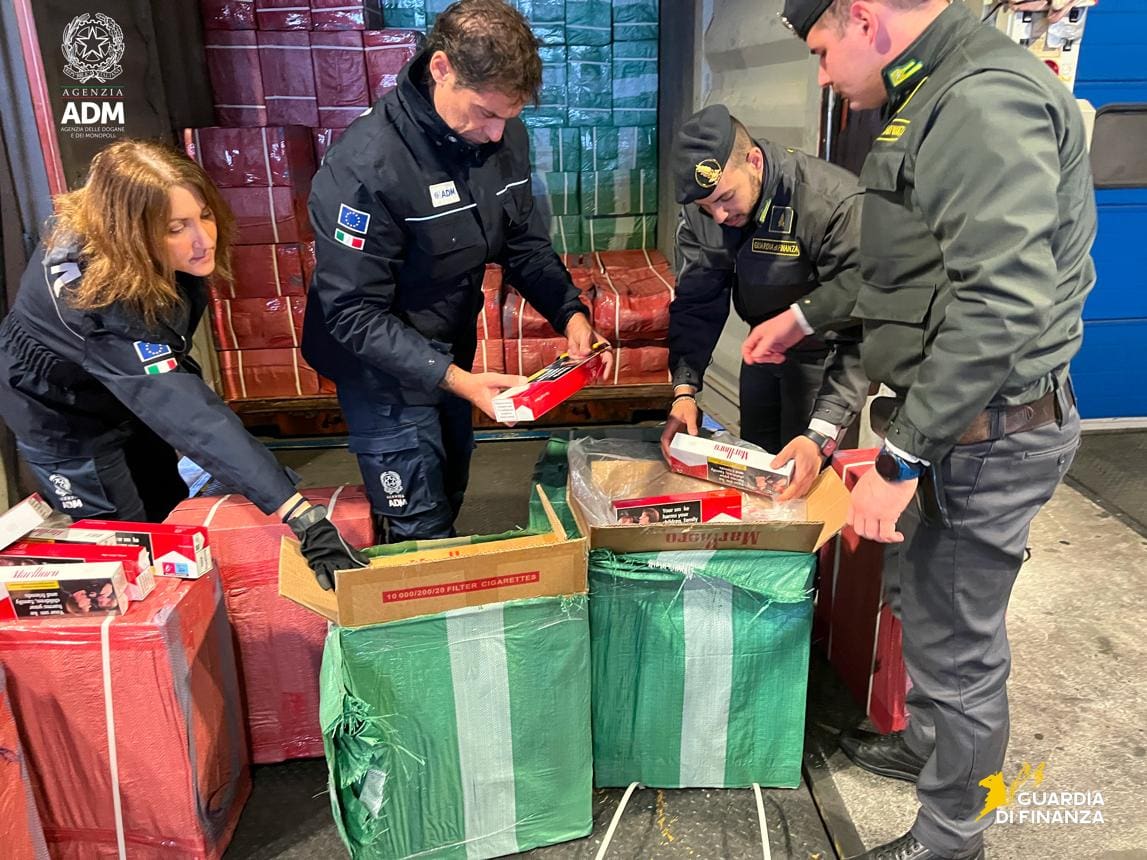
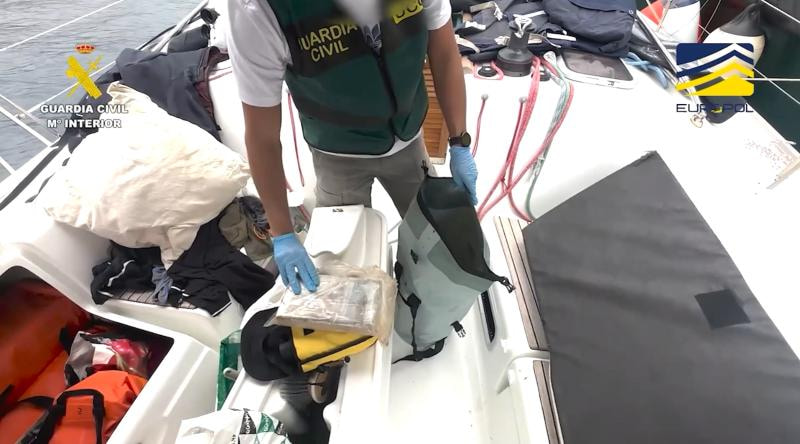
Cannabis remains the continent’s default illicit substance, used by far more people than anything else, and the products on offer keep multiplying as extracts and edibles crowd in beside traditional herbal forms. But it is cocaine that dominates the enforcement story. Now firmly the second most consumed illegal drug, it arrives through ports in record tonnages, and its cheaper, smokable form is leaving deeper marks in several cities. The agency counted roughly eleven thousand four hundred people entering treatment for crack-related problems in 2024, up from around nine thousand nine hundred the year before, a rise concentrated among the most marginalised users for whom the drug compounds existing hardship.

The deadliest part of the report concerns opioids. They remain the leading cause of drug-induced death in Europe, implicated in most of the estimated seven thousand six hundred fatal overdoses recorded in the Union in 2024. Crucially, those deaths rarely involve a single substance. The agency stresses that polydrug use, where opioids mix with stimulants, sedatives or alcohol, now drives the mortality figures, making each death harder to prevent with a single antidote or a single message.

Hanging over everything is the arrival of new synthetic compounds. Potent synthetic opioids, including the nitazene family, have surfaced in parts of the market, sometimes sold to users who believe they are taking something else entirely. Because tiny quantities can be lethal and because they are cheap to manufacture and easy to conceal, they represent exactly the kind of fast-moving threat that traditional surveillance struggles to catch in time. The agency has been pressing for faster chemical monitoring, and recent decisions to bring additional precursor chemicals under control reflect that urgency.

The policy implications run wider than policing. The report frames addiction increasingly as a health problem demanding investment in treatment, harm reduction and early warning rather than seizures alone. It points to wastewater analysis, drug-checking services and rapid alerts as the tools that let authorities react to a market that reinvents itself faster than legislation can. For health ministries already stretched thin, the implication is awkward: the threat is growing precisely as the budgets to contain it come under pressure.

For ordinary readers the takeaway is less about statistics than about volatility. The substances circulating today are stronger, more unpredictable and more likely to be something other than what the buyer expects. The agency’s data exists to make that danger visible before it shows up in a mortuary, and this year’s edition leaves little doubt that the work is getting harder.