Strasbourg: The European Union’s cohesion policy — the long-standing instrument that channels investment to the bloc’s less-developed regions — is being reshaped by the political and operational imperatives that have moved to the top of the EU agenda since 2022. Defence readiness, climate transition, demographic decline and the housing affordability crisis now figure alongside the traditional cohesion objectives of reducing regional disparities and supporting structural transformation.
The Commission’s mid-term review of the 2021 to 2027 cohesion programmes, published in 2025, found that approximately 392 billion euros has been programmed under the European Regional Development Fund, the Cohesion Fund, the European Social Fund Plus and the Just Transition Fund. Implementation has accelerated significantly after the slow start typical of the first years of a programming cycle. The Commission also reported that the strategic objectives of the 2021 to 2027 cycle — a smarter, greener, more connected, more social and closer-to-citizens Europe — are reflected in the programmed investments, although outcomes vary by region.
The Strategic Technologies for Europe Platform, in operation since 2024, channels cohesion funds into investments in critical technologies — including microelectronics, biotechnology and net-zero technologies — through the existing programming frameworks. The STEP enables targeted reinforcement of EU strategic autonomy through regional investment, although the relatively modest envelope has produced calls for expanded resources in the next MFF cycle. The Commission’s 2026 STEP progress report shows that the most active regions have used STEP to attract co-investment in semiconductor packaging, battery manufacturing and renewable energy supply chains.
The activation of the national escape clause for defence spending, granted to 17 Member States as of February 2026, has been complemented by guidance on the use of cohesion funds for defence-related investments. The Commission has clarified the conditions under which dual-use infrastructure can be supported under cohesion programmes — including transport infrastructure with military mobility relevance, cyber resilience for critical infrastructure operators, and the resilience of strategic supply chains. The shift from cohesion as a pure social and economic instrument toward cohesion with explicit security dimensions reflects the changed geopolitical context.
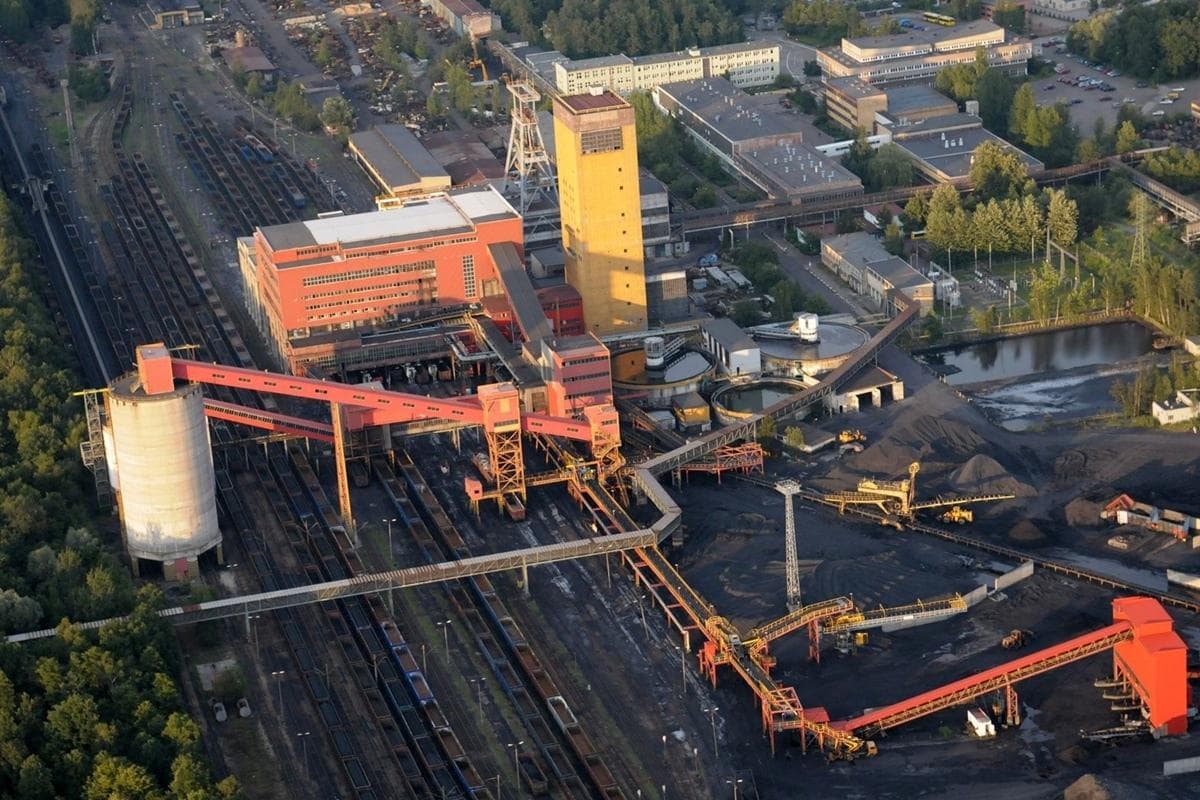
The Just Transition Mechanism remains the most concrete EU instrument for managing the regional dimension of decarbonisation. Operating across the Just Transition Fund, dedicated InvestEU resources and a public sector loan facility, the Mechanism supports regions whose economic base is most dependent on fossil fuel extraction or carbon-intensive industry. The Commission’s evaluation has shown that the Just Transition Plans developed by Member States have produced concrete investment in skills transition, alternative employment opportunities and the rehabilitation of post-industrial sites. Coal regions in Poland, Romania and Bulgaria are the largest beneficiaries.
Demographic change has emerged as a transversal cohesion challenge. The Commission’s Long-Term Vision for Rural Areas, the Demographic Toolbox and the youth dimension of cohesion programmes all address the multifaceted challenge of population decline, aging, internal migration and the loss of basic services in shrinking regions. The 2026 mid-term review identified specific regions — particularly in southern Italy, the Iberian interior, the Baltic States and parts of central and eastern Europe — where demographic dynamics are eroding the economic and social tissue that cohesion instruments have historically supported.
The Outermost Regions Strategy, updated in 2022, addresses the specific challenges of the nine outermost regions: French overseas territories, the Azores, Madeira and the Canary Islands. The strategy combines tailored cohesion support with derogations from single market rules where the geographical context justifies adjustment. The 2026 review identifies climate resilience, blue economy investment and digital connectivity as priorities for the next cycle.
The URBAN dimension of cohesion has grown through the European Urban Initiative and the Urban Agenda for the EU. Partnerships under the Urban Agenda have produced operational results in housing affordability, air quality, climate adaptation and migrant integration. The Affordable Housing Plan, presented in early 2026, integrates urban dimensions into a broader Commission strategy that recognises housing as a foundational determinant of social and economic outcomes. The plan combines investment guidance for cohesion programmes, regulatory adjustment in the single market dimension, and analytical support for Member States designing national housing strategies. Trilogues continue on the proposed Affordable Housing Investment Initiative, which would consolidate funding streams from cohesion programmes, EIB lending and InvestEU into a single coherent envelope dedicated to housing transition.