August 10, 2026
LATEST
After Nine Years, Europe and Australia Seal a Trade PactBeijing Answers Europe’s Russia Sanctions in KindOne Year On, the EU-Japan Alliance Faces Its First TestEurope’s Chip Ambitions Still Run Through Taiwan’s FabsWhy South Korea Bet Its Research Future on Europe’s ProgrammeEurope and Japan Deepen Their Economic Alliance as Rivals CircleFive Joint Defence Projects Launch Europe’s Military ShieldElectrification Plan Aims to Make Europe First Electro ContinentHorizon Europe Budget Fight Heats Up as Ministers Push BackGoogle’s DMA Fine Sets Off a Transatlantic Tariff ClashTwenty New University Alliances Join Erasmus for Two YearsForeign Subsidies Case Puts Temu in the EU’s SightsVan Tachographs Now Mandatory for Cross-Border FleetsStress Test Exposes Gaps in Euro Area Bank DefencesEurope Bets on a Gulf Partnership Before the Riyadh SummitWhy the Atlantic Route Now Runs Through MauritaniaKyiv and Chisinau Advance as the EU Accession Talks Gather PaceEurope’s New Digital Border System Beds In After a Rocky RolloutBrussels Mounts Its Largest Wildfire Response as the Fires SpreadRetail Spending Slipped in June, Wrong-Footing EconomistsAfter Nine Years, Europe and Australia Seal a Trade PactBeijing Answers Europe’s Russia Sanctions in KindOne Year On, the EU-Japan Alliance Faces Its First TestEurope’s Chip Ambitions Still Run Through Taiwan’s FabsWhy South Korea Bet Its Research Future on Europe’s ProgrammeEurope and Japan Deepen Their Economic Alliance as Rivals CircleFive Joint Defence Projects Launch Europe’s Military ShieldElectrification Plan Aims to Make Europe First Electro ContinentHorizon Europe Budget Fight Heats Up as Ministers Push BackGoogle’s DMA Fine Sets Off a Transatlantic Tariff ClashTwenty New University Alliances Join Erasmus for Two YearsForeign Subsidies Case Puts Temu in the EU’s SightsVan Tachographs Now Mandatory for Cross-Border FleetsStress Test Exposes Gaps in Euro Area Bank DefencesEurope Bets on a Gulf Partnership Before the Riyadh SummitWhy the Atlantic Route Now Runs Through MauritaniaKyiv and Chisinau Advance as the EU Accession Talks Gather PaceEurope’s New Digital Border System Beds In After a Rocky RolloutBrussels Mounts Its Largest Wildfire Response as the Fires SpreadRetail Spending Slipped in June, Wrong-Footing Economists
August 10, 2026
LATEST
After Nine Years, Europe and Australia Seal a Trade PactBeijing Answers Europe’s Russia Sanctions in KindOne Year On, the EU-Japan Alliance Faces Its First TestEurope’s Chip Ambitions Still Run Through Taiwan’s FabsWhy South Korea Bet Its Research Future on Europe’s ProgrammeEurope and Japan Deepen Their Economic Alliance as Rivals CircleFive Joint Defence Projects Launch Europe’s Military ShieldElectrification Plan Aims to Make Europe First Electro ContinentHorizon Europe Budget Fight Heats Up as Ministers Push BackGoogle’s DMA Fine Sets Off a Transatlantic Tariff ClashTwenty New University Alliances Join Erasmus for Two YearsForeign Subsidies Case Puts Temu in the EU’s SightsVan Tachographs Now Mandatory for Cross-Border FleetsStress Test Exposes Gaps in Euro Area Bank DefencesEurope Bets on a Gulf Partnership Before the Riyadh SummitWhy the Atlantic Route Now Runs Through MauritaniaKyiv and Chisinau Advance as the EU Accession Talks Gather PaceEurope’s New Digital Border System Beds In After a Rocky RolloutBrussels Mounts Its Largest Wildfire Response as the Fires SpreadRetail Spending Slipped in June, Wrong-Footing EconomistsAfter Nine Years, Europe and Australia Seal a Trade PactBeijing Answers Europe’s Russia Sanctions in KindOne Year On, the EU-Japan Alliance Faces Its First TestEurope’s Chip Ambitions Still Run Through Taiwan’s FabsWhy South Korea Bet Its Research Future on Europe’s ProgrammeEurope and Japan Deepen Their Economic Alliance as Rivals CircleFive Joint Defence Projects Launch Europe’s Military ShieldElectrification Plan Aims to Make Europe First Electro ContinentHorizon Europe Budget Fight Heats Up as Ministers Push BackGoogle’s DMA Fine Sets Off a Transatlantic Tariff ClashTwenty New University Alliances Join Erasmus for Two YearsForeign Subsidies Case Puts Temu in the EU’s SightsVan Tachographs Now Mandatory for Cross-Border FleetsStress Test Exposes Gaps in Euro Area Bank DefencesEurope Bets on a Gulf Partnership Before the Riyadh SummitWhy the Atlantic Route Now Runs Through MauritaniaKyiv and Chisinau Advance as the EU Accession Talks Gather PaceEurope’s New Digital Border System Beds In After a Rocky RolloutBrussels Mounts Its Largest Wildfire Response as the Fires SpreadRetail Spending Slipped in June, Wrong-Footing Economists

Erasmus reset: Commission opens 2026 calls with five billion euros

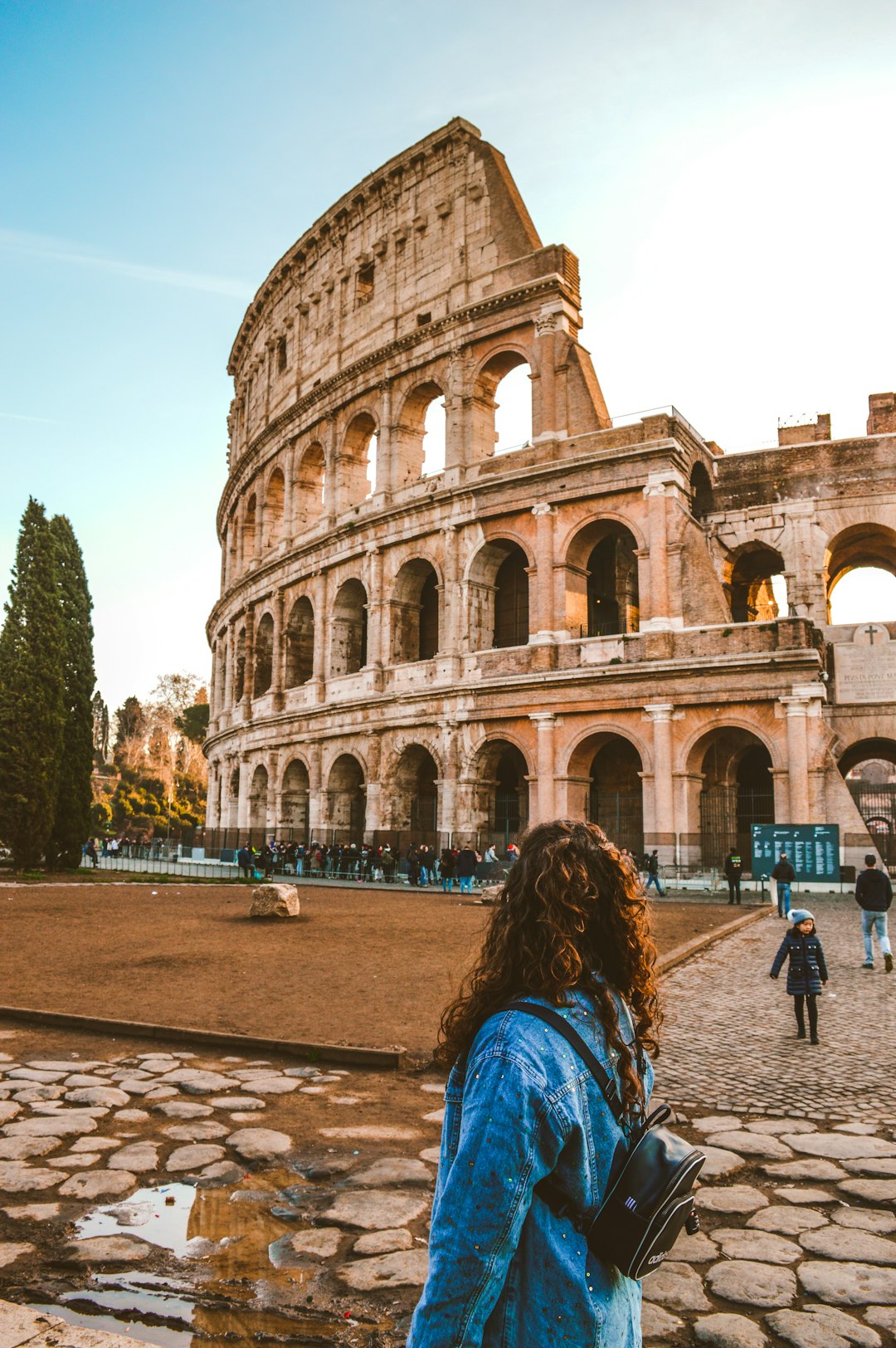
Rome: The Italian capital became the symbolic launchpad this week for the Commission’s 2026 Erasmus+ call for proposals, with more than five billion euros allocated for the year across education, training, youth and sport actions. The choice of venue was not coincidental. Italy remains one of the largest recipient countries for Erasmus mobility, and the Sapienza university quadrangle hosted a high-profile launch event timed to coincide with the start of application windows for higher-education partnerships.

The 2026 envelope is the single largest annual tranche of the 2021-2027 programming period. Within it, the Commission has signposted a clearer pivot towards skills. Sectoral skills alliances, vocational training partnerships and the Centres of Vocational Excellence network receive a meaningfully larger share than in 2025, a response to Member State demands that mobility funding produce measurable labour-market outcomes. The shift dovetails with the Union of Skills initiative launched earlier in the current Commission’s mandate.

Parallel to Erasmus+, the Creative Europe programme has confirmed its 2026 budget of three hundred and eighty million euros, structured across the Culture, MEDIA and Cross-sectoral strands. The Culture strand opens its European cooperation projects call in the first quarter with sixty million euros earmarked for small and medium-scale collaborations. The MEDIA strand continues to absorb the largest share of Creative Europe funding, reflecting the audiovisual sector’s centrality to the Commission’s strategy for European cultural sovereignty in a streaming-dominated market.

Rome’s launch was paired with pointed political messaging. The Italian education ministry has been pushing for years for a recalibration of Erasmus rules to recognise the cost-of-living gap between northern and southern capitals; new top-up payments for students from lower-income households are part of the 2026 reform package. The Commission has also confirmed that the green-mobility surcharge, which incentivises rail and bus travel between programme countries, will become a default rather than an opt-in feature from the autumn calls.

Critics inside the European Parliament’s CULT committee have flagged that headline numbers conceal real-terms erosion. Inflation across the 2021-2027 cycle has eaten into the per-student grant value, and the upcoming post-2027 negotiations will determine whether the next multiannual financial framework restores the programme to its pre-inflation purchasing power. The Committee of the Regions has gone further, arguing that investment in education and culture must match the geopolitical ambitions the Union has set for itself.

Practitioners in Rome were focused on more immediate questions. Universities are still digesting the new alliance model that requires multi-year strategic partnerships rather than the project-by-project logic of earlier programmes. Cultural operators applying through Creative Europe face a similar transition, with the Commission pushing for fewer, larger consortia capable of delivering measurable impact across multiple member states. Smaller organisations have warned that consolidation risks pricing them out of the funding architecture entirely.

The wider context is the post-2027 framework, where education and culture funding will compete with defence, enlargement and competitiveness for finite resources. The Commission’s 2026 calls function partly as a defence of the existing programme architecture against pressure to fold it into broader human-capital instruments. Whether the model survives intact will be decided not in Rome this spring but in capitals over the next eighteen months as the next budget cycle is negotiated.