Luxembourg: The annual ritual of taking the European Union’s democratic temperature is under way again, and the early readings point in two directions at once. As the Commission assembles its 2026 rule of law assessment and publishes the latest edition of its Justice Scoreboard, the picture that emerges is of courts slowly regaining citizens’ confidence even as the environment for journalists across much of the bloc continues to deteriorate.
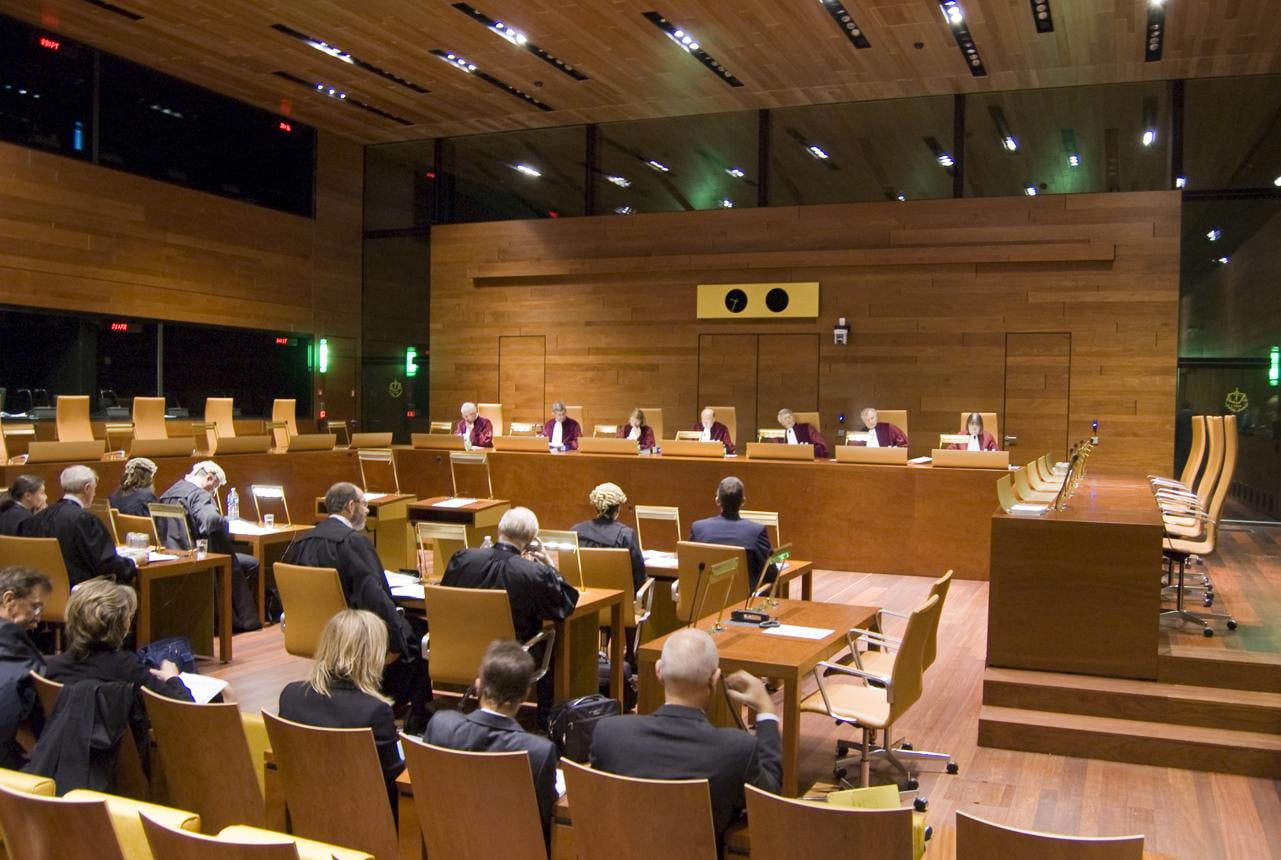
The Scoreboard, the comparative dashboard the Commission uses to track the efficiency and independence of national justice systems, offers the more encouraging numbers. In seventeen member states, citizens now perceive judicial independence as having improved or held steady compared with a year earlier, and companies report much the same in eighteen. That matters beyond the abstract: investors and firms repeatedly cite the predictability of courts as a factor in where they commit capital, which is why officials increasingly frame an independent judiciary as a competitiveness asset rather than a purely civic virtue.
The optimism only stretches so far. The assessment also records a widespread pattern of political interference in court systems, from questions over the transparency of judicial appointments to the autonomy of prosecution services. More striking is the rise of openly hostile political rhetoric aimed at judges and human rights bodies, a trend that erodes public trust even where the formal architecture of independence remains intact. Words, the report implies, can corrode institutions as effectively as legislation.
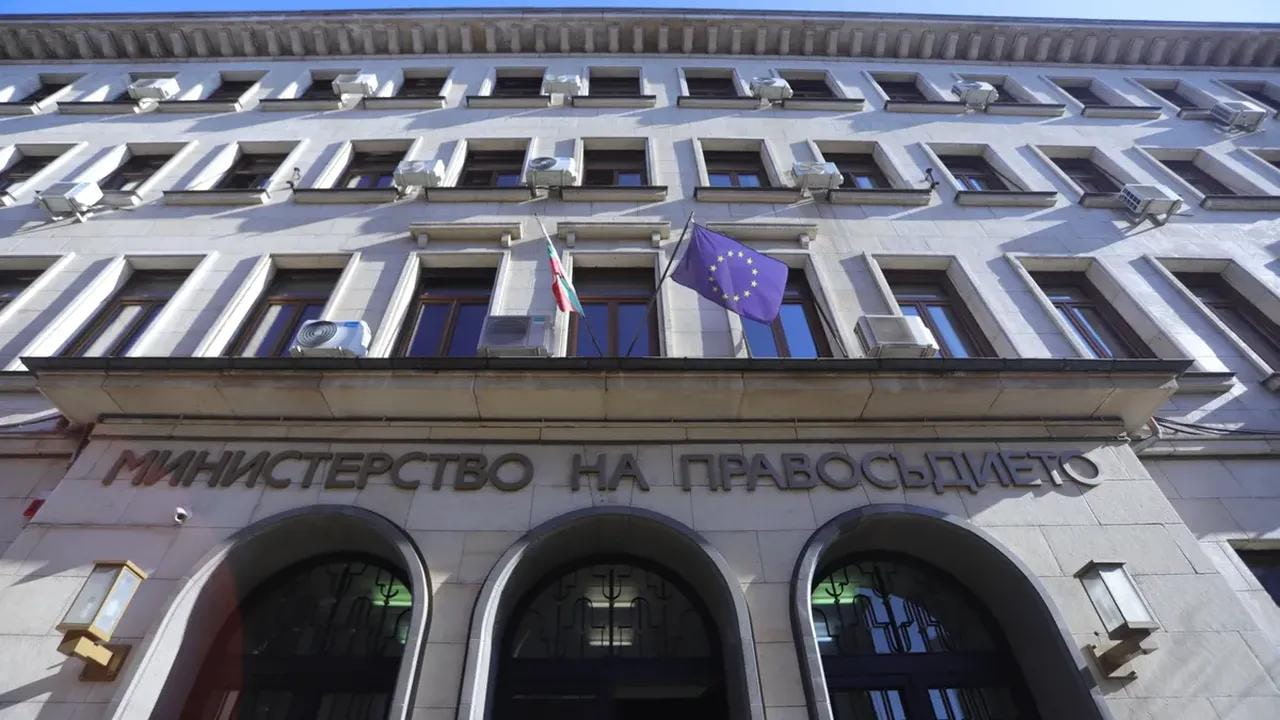
It is on media freedom that the findings turn sharply negative. Only a small number of governments have made measurable improvements, while most have stagnated or slid backwards. Bulgaria, Croatia, Italy, Slovakia, and the Netherlands all register increased harassment and physical attacks against journalists, a sobering list because it spans founding members and newer entrants alike. The familiar afflictions persist: political pressure on public broadcasters, opaque allocation of state advertising that quietly rewards friendly outlets, and the continued use of strategic lawsuits designed to drain reporters and small publishers through litigation rather than defeat them on the merits.
These vulnerabilities are not evenly distributed, and that is part of the difficulty. Civil society groups have argued for some time that the Commission’s annual cycle, for all its detail, struggles to translate diagnosis into consequence. A handful of governments, they contend, have learned to absorb critical findings year after year without altering course, treating the report as a manageable cost rather than a genuine constraint. The persistence of the same warnings about the same countries lends weight to the complaint.
The Commission’s defenders counter that the value of the exercise lies in its accumulation. By documenting backsliding in consistent, comparable terms, the reports build an evidentiary record that feeds into other instruments, from infringement proceedings to the conditionality mechanism that ties certain funds to respect for the rule of law. The assessment, in this reading, is less a verdict than a foundation.
What the latest figures underline is that the rule of law in the Union is not a single trend but several moving at different speeds. Courts are earning back a measure of trust; the press, in too many capitals, is losing ground. Reconciling those divergent trajectories, and giving the annual findings teeth where persuasion has failed, remains the unfinished work the cycle keeps returning to.