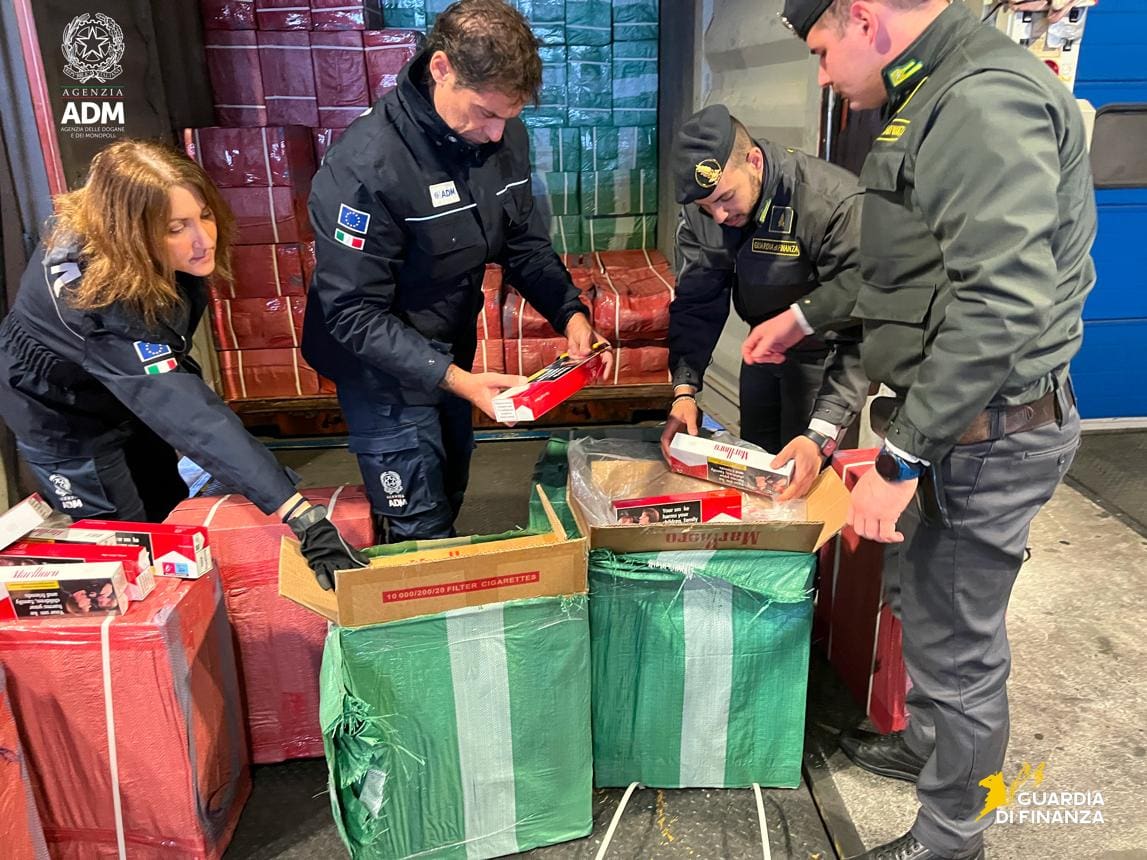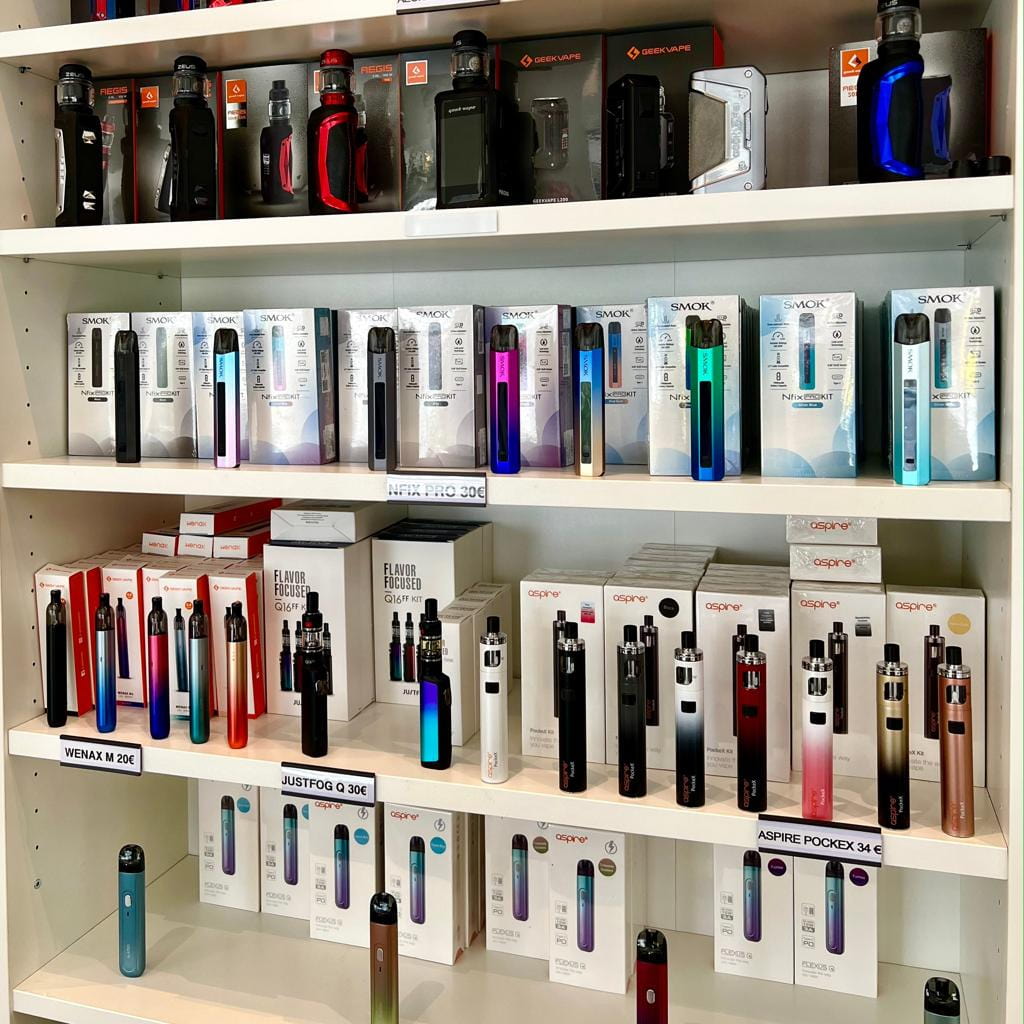
Vilnius: Lithuanian customs officers who spent the closing weeks of last year sorting through containers misdeclared as toys, towels and shelving have spent the past month watching the operational data flow through the European Anti-Fraud Office’s coordination cell. The Office on 17 April confirmed the headline figures from Joint Customs Operation VAPE, which targeted illicit trade in electronic cigarettes and heated tobacco products. More than ninety-four million pieces and over two thousand five hundred kilograms or litres of relevant products, devices and accessories were seized during the operation, which ran between 14 November and 15 December last year.
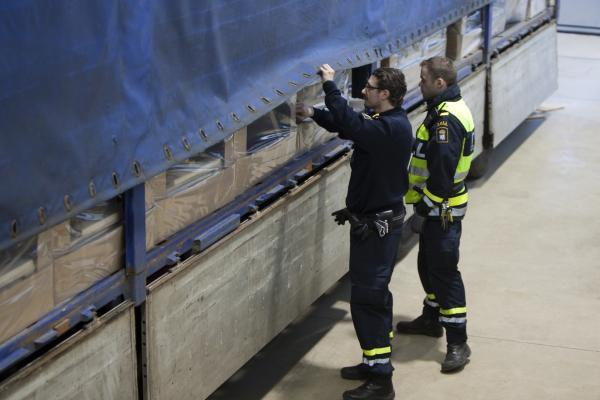
The architecture of the operation tells most of the story. OLAF led the coordination, with Italian and Lithuanian customs serving as co-leaders. Thirty national customs authorities took part, including those of twenty-three EU Member States, along with partner administrations from outside the bloc. The cooperation included intelligence exchange, real-time risk profiling, container inspections, and coordinated enforcement in the dispatching jurisdictions as well as in destination countries. Industry data and analytics helped pre-position inspectors at the ports and inland terminals most exposed to high-value vape consignments routed through indirect supply chains.
The misdeclaration pattern unearthed by VAPE confirms what national customs services have been reporting for two years. Smugglers have been routing electronic cigarettes and tobacco devices under cover of unrelated commodity codes — categories as banal as toys, towels, clothing, shoes, shelves, earphones, glass cups and essential oils. The volume of the seizures, and the spread of declared cover commodities, indicates that the trade has matured into a fully fledged segment of organised customs fraud rather than an opportunistic activity by smaller actors. The fiscal stakes are large, given the excise duties that legitimate vape importers pay and the public-health concerns that surround disposable e-cigarettes targeted at younger consumers.
Lithuanian customs officials interviewed during the announcement underlined that the operation also helped expose the importance of post-clearance audit work. A significant share of the seizures occurred not at the point of entry but during inland controls, after consignments had cleared first-line border inspection but were flagged for follow-up inspection. The same dynamic was evident in the cross-border Italy-Romania cigarette network case dismantled in mid-2025, where coordinated searches in Timiș and Arad counties unveiled approximately twenty-five million cigarettes stored in 2,500 boxes and led to four arrests. That earlier operation had focused on counterfeit cigarettes manufactured in illegal facilities; the VAPE operation focused on disposable e-cigarettes and devices entering the bloc through legitimate looking commercial channels under false commodity codes.
For the European Anti-Fraud Office, the VAPE results land at a moment when the Office is making a sustained push to be seen as a coordinator of complex customs enforcement rather than only as an internal investigator of EU spending. The disclosed totals — ninety-four million pieces and over two and a half thousand kilograms or litres — are framed to demonstrate operational capacity that the customs union as a whole can rely on, particularly in the categories where excise fraud, intellectual property infringement and consumer protection intersect. The Office’s annual reports have for several years made the case that customs fraud now operates with the same logistical sophistication as wider illicit trade in narcotics or counterfeit pharmaceuticals.
The operational follow-up will run into late summer. National authorities are now working through the cases linked to the seized consignments, with criminal proceedings opened in several jurisdictions and administrative penalties under preparation in others. Where the misdeclaration patterns point to shipping agents or freight forwarders, enforcement is also turning to professional liability. The European Public Prosecutor’s Office has shown interest in dossiers where the structure of the fraud touches on the EU budget through excise harmonisation, although the lead in most cases remains with national prosecutors.
For Lithuania, the operation is also a marker of the country’s developing role in OLAF-led joint actions. The national customs administration has invested heavily in detection equipment and data analytics over the past five years, and the co-leadership role on VAPE reflects that build-up. The next operation in the series is expected before the end of the year.