Vouzela: In the hills of central Portugal, where a single fire tore across more than 7,000 hectares in early July, the European Union’s shared wildfire response met its first hard test of the season and largely held.
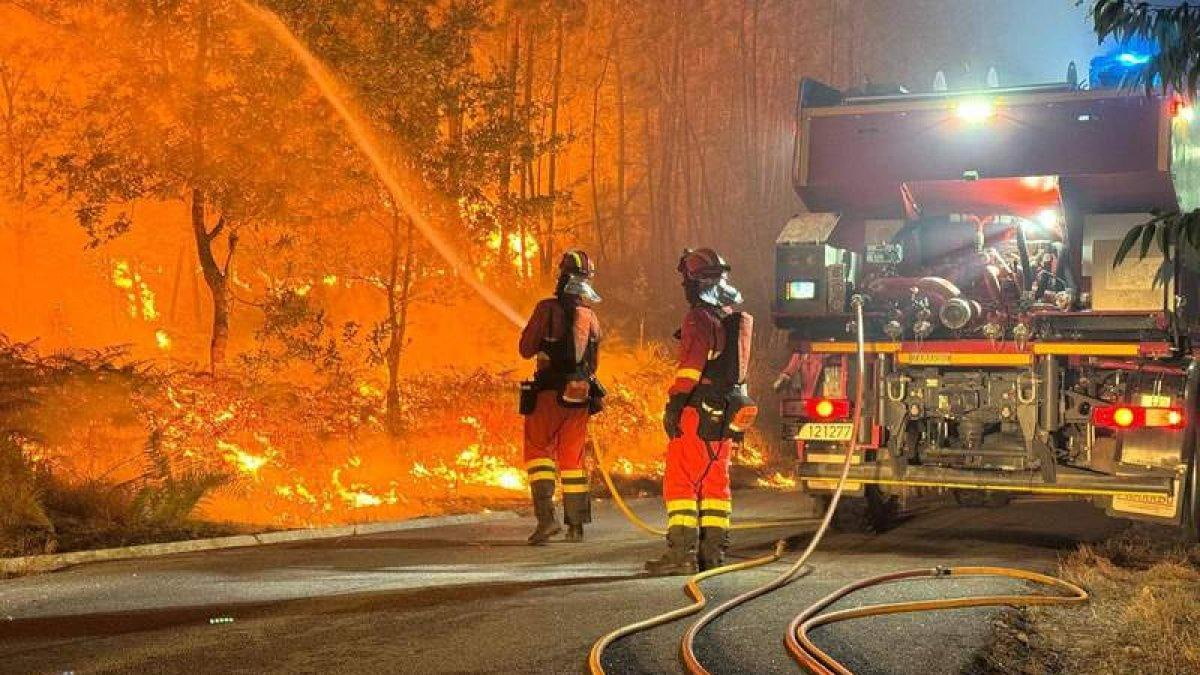
Portugal triggered the EU Civil Protection Mechanism on 3 July as six fires burned at once, straining even the 1,300 firefighters, 420 vehicles and 13 aircraft the country had thrown at the flames. Within hours 118 firefighters and 45 vehicles from Spain arrived, followed by firefighting aircraft dispatched from Italy and Spain.
France activated the same mechanism on 5 July, and the Commission moved four rescEU aeroplanes from Sweden and Cyprus toward the affected areas. The speed of both deployments showed a system designed for exactly this kind of simultaneous pressure, when national fleets alone cannot cover every front.
The response drew on a fleet the bloc has spent years assembling. Through rescEU, the Union pre-positioned 777 firefighters from 14 countries across Cyprus, Greece, Italy, France, Spain and Portugal, and kept 22 firefighting aeroplanes and five helicopters on standby, the largest such deployment the mechanism has mounted.
The logic behind pooling matters more each year. A single Member State cannot justify buying and maintaining a fleet large enough for its worst possible season, so the bloc shares aircraft and crews that move to wherever the danger peaks, spreading a cost no country could carry alone.
Cost-sharing reaches beyond the aircraft themselves. The Union co-finances the training, transport and standby hours that keep crews ready to cross a border at short notice, and it reimburses much of the expense a host country would otherwise carry alone when foreign teams land on its soil.
The fleet keeps growing to meet a lengthening fire season. Romania received the first helicopter of the permanent rescEU fleet in January and had it ready for summer, part of a shift from borrowing national assets in a crisis toward owning a standing European capability the Commission can direct itself.
The deployments carry a sober message about the climate. Fire seasons now start earlier and burn hotter across southern Europe, and the record scale of this year’s pre-positioning reflects an expectation that severe fires have become the norm rather than the exception.
For the crews on the ground near Vouzela, the mechanism means reinforcements arrive within hours instead of days. The Commission has detailed the cross-border support flowing to Portugal and France on its civil protection newsroom, and the season has only begun.