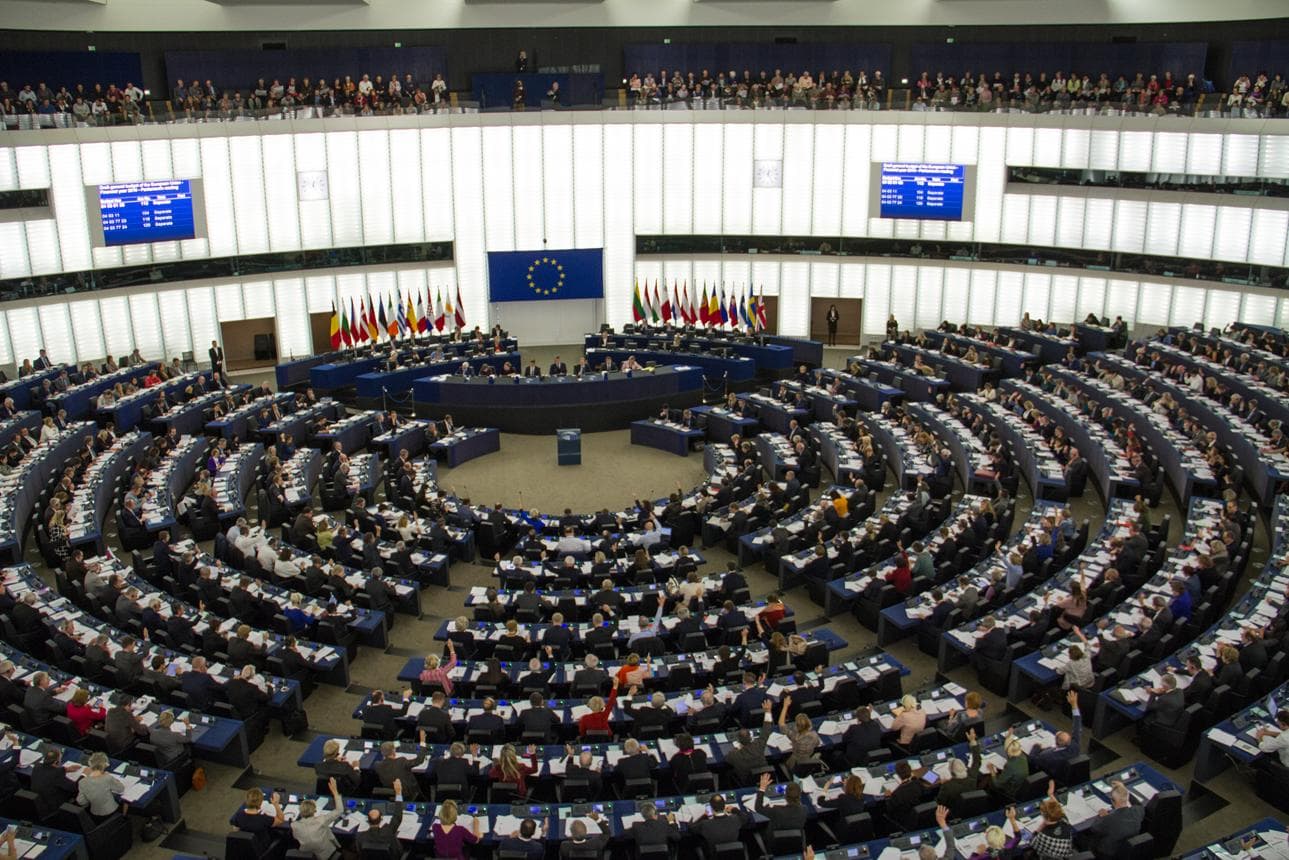
Strasbourg: A decade after the European Commission first tabled the proposal, the European Parliament finally settled one of the Union’s most stubborn files. On 7 July 2026, MEPs voted by 511 to 87, with 61 abstentions, to overhaul the rules that decide which country pays social security when a worker lives in one member state and earns in another.
The reform does not create a single European welfare system. It coordinates 27 national ones, deciding whose rules apply when a life spills across borders. That distinction has kept the file trapped for years between national welfare sensitivities, labour-market fears, and the raw legal complexity of free movement. Parliament’s summary of the vote sits here.
Five knots the reform tries to loosen
The new framework tackles five areas: unemployment benefits, family benefits, long-term care, access to benefits for economically inactive mobile citizens, and the treatment of posted workers or people who work in more than one country at once.
On unemployment, a jobseeker who moves to another EU country can keep drawing benefits from the previous country for six months, and that country may extend the window at its discretion. The change gives the newly unemployed a longer runway to find work abroad without losing their footing the moment they cross a border.
The text also writes a clearer definition of long-term care benefits and spells out how member states should coordinate them, a gap that has generated years of litigation. It clarifies family benefits, especially where a payment replaces income a parent gives up to care for a child. And it makes prior notification of postings the main rule, with mandatory prior notification in construction, a sector where undeclared posting has long distorted competition.
Why the fight took ten years
The delay tells its own story about how the Union governs. Every clarification that helps a mobile worker also shifts a cost from one national treasury to another, and finance ministers guard those balances fiercely. Richer states worried about paying benefits to citizens who had barely contributed, while sending states feared losing control over their own workers abroad.
Trade unions, including the ETUC, backed the revision because clearer rules make it harder to undercut wages through opaque posting arrangements. Employers wanted the legal certainty that comes from knowing which system applies before a dispute lands in court. That rare alignment finally gave the file the momentum it had lacked since 2016.
The analysis worth watching now is enforcement. Coordination rules only work when national agencies actually share data and honour each other’s decisions, and the new prior-notification duties will test whether member states invest in the plumbing. For the millions who commute, post, or retire across a border, the reform promises fewer nasty surprises. Whether it delivers depends on how faithfully 27 administrations translate the text into practice, because a cleaner social security rulebook means little if the paperwork still stalls at the frontier.