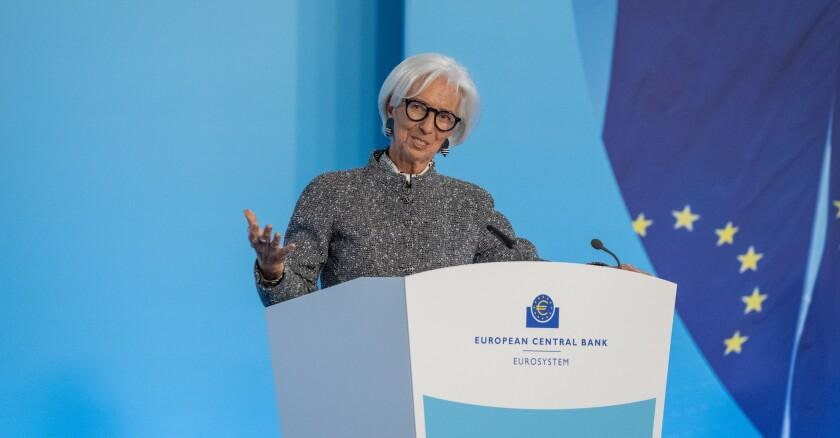
Frankfurt: The European Central Bank has raised interest rates for the first time since 2023, a decision that marks a sharp turn in the fight against inflation. The quarter point increase on 11 June looks small on paper. Its meaning runs deeper, because it signals that policymakers no longer believe the price surge will fade on its own.
Euro area inflation reached 3.2 percent in May, up from 3.0 percent a month earlier. The renewed pressure traces largely to energy, driven by conflict in the Middle East that has lifted oil prices and rattled supply. For a continent that imports much of its fuel, that shock passes quickly into bills, transport costs and the price of nearly everything else.
A reluctant tightening
The ECB spent much of the past year cutting rates as growth weakened. Reversing course carries obvious dangers. Higher borrowing costs cool an economy already expanding at a feeble pace, projected to grow just 0.8 percent this year. The bank essentially bets that taming prices matters more right now than nursing a fragile recovery.
That calculation reflects hard experience. Central bankers remember how the last inflation wave lingered longer than anyone forecast. They fear a repeat, where high prices seep into wage demands and business pricing until expectations themselves keep inflation alive. Acting early, even at the cost of growth, aims to stop that spiral before it starts.
The competitiveness squeeze
The move exposes a deeper weakness. Europe’s economy carries structural problems that no interest rate can fix. The bloc keeps losing global market share, hindered by high energy costs, an ageing workforce and slow adoption of new technology. A rate rise addresses the symptom of inflation while leaving the underlying frailty untouched.
The currency adds another twist. A stronger euro, which higher rates tend to encourage, makes imports cheaper and eases some price pressure. It also makes European exports dearer abroad, squeezing the very manufacturers already fighting to hold their ground. The bank walks a narrow path between calming prices and choking trade.
Households feel the strain directly. Mortgages, car loans and business credit all grow more expensive, and lower income families absorb the blow first. Governments that hoped for cheaper debt now face steeper financing costs, tightening budgets already stretched by defence spending and energy support schemes.
Not everyone accepts the bank’s reasoning. Some economists argue that an energy driven price spike calls for patience, not tightening, since higher rates do nothing to lower the cost of oil. Raising rates into an external shock, they warn, risks turning a temporary squeeze into a genuine downturn.
The bank counters that credibility is its most valuable asset. If people doubt its commitment to stable prices, expectations drift, and the eventual cure grows more painful. On that logic a modest rise now buys insurance against a larger crisis later, even if the immediate cause sits far beyond Frankfurt’s control.
The coming months will test the gamble. Should energy prices settle, the ECB may pause and claim vindication. Should the conflict widen, it could face the grim mix of rising prices and stalling growth that haunts every central banker. Either way, June’s decision confirms that Europe’s battle with inflation is far from won.