August 10, 2026
LATEST
Five Joint Defence Projects Launch Europe’s Military ShieldElectrification Plan Aims to Make Europe First Electro ContinentHorizon Europe Budget Fight Heats Up as Ministers Push BackGoogle’s DMA Fine Sets Off a Transatlantic Tariff ClashTwenty New University Alliances Join Erasmus for Two YearsForeign Subsidies Case Puts Temu in the EU’s SightsVan Tachographs Now Mandatory for Cross-Border FleetsStress Test Exposes Gaps in Euro Area Bank DefencesEurope Bets on a Gulf Partnership Before the Riyadh SummitWhy the Atlantic Route Now Runs Through MauritaniaKyiv and Chisinau Advance as the EU Accession Talks Gather PaceEurope’s New Digital Border System Beds In After a Rocky RolloutBrussels Mounts Its Largest Wildfire Response as the Fires SpreadRetail Spending Slipped in June, Wrong-Footing EconomistsHeatwave Warning Puts Brussels on Alert for Vulnerable GroupsKANAL’s 230 Million Euro Museum Sets a November Opening DatePension Savings Rules Get a Reset as the EU Scraps the 1% CapMedicine Shortages Move to the Heart of Europe’s Pharma ResetJapan Becomes Europe’s Closest Security Partner in AsiaCan Europe’s New Zealand Deal Anchor It in the Pacific?Five Joint Defence Projects Launch Europe’s Military ShieldElectrification Plan Aims to Make Europe First Electro ContinentHorizon Europe Budget Fight Heats Up as Ministers Push BackGoogle’s DMA Fine Sets Off a Transatlantic Tariff ClashTwenty New University Alliances Join Erasmus for Two YearsForeign Subsidies Case Puts Temu in the EU’s SightsVan Tachographs Now Mandatory for Cross-Border FleetsStress Test Exposes Gaps in Euro Area Bank DefencesEurope Bets on a Gulf Partnership Before the Riyadh SummitWhy the Atlantic Route Now Runs Through MauritaniaKyiv and Chisinau Advance as the EU Accession Talks Gather PaceEurope’s New Digital Border System Beds In After a Rocky RolloutBrussels Mounts Its Largest Wildfire Response as the Fires SpreadRetail Spending Slipped in June, Wrong-Footing EconomistsHeatwave Warning Puts Brussels on Alert for Vulnerable GroupsKANAL’s 230 Million Euro Museum Sets a November Opening DatePension Savings Rules Get a Reset as the EU Scraps the 1% CapMedicine Shortages Move to the Heart of Europe’s Pharma ResetJapan Becomes Europe’s Closest Security Partner in AsiaCan Europe’s New Zealand Deal Anchor It in the Pacific?
August 10, 2026
LATEST
Five Joint Defence Projects Launch Europe’s Military ShieldElectrification Plan Aims to Make Europe First Electro ContinentHorizon Europe Budget Fight Heats Up as Ministers Push BackGoogle’s DMA Fine Sets Off a Transatlantic Tariff ClashTwenty New University Alliances Join Erasmus for Two YearsForeign Subsidies Case Puts Temu in the EU’s SightsVan Tachographs Now Mandatory for Cross-Border FleetsStress Test Exposes Gaps in Euro Area Bank DefencesEurope Bets on a Gulf Partnership Before the Riyadh SummitWhy the Atlantic Route Now Runs Through MauritaniaKyiv and Chisinau Advance as the EU Accession Talks Gather PaceEurope’s New Digital Border System Beds In After a Rocky RolloutBrussels Mounts Its Largest Wildfire Response as the Fires SpreadRetail Spending Slipped in June, Wrong-Footing EconomistsHeatwave Warning Puts Brussels on Alert for Vulnerable GroupsKANAL’s 230 Million Euro Museum Sets a November Opening DatePension Savings Rules Get a Reset as the EU Scraps the 1% CapMedicine Shortages Move to the Heart of Europe’s Pharma ResetJapan Becomes Europe’s Closest Security Partner in AsiaCan Europe’s New Zealand Deal Anchor It in the Pacific?Five Joint Defence Projects Launch Europe’s Military ShieldElectrification Plan Aims to Make Europe First Electro ContinentHorizon Europe Budget Fight Heats Up as Ministers Push BackGoogle’s DMA Fine Sets Off a Transatlantic Tariff ClashTwenty New University Alliances Join Erasmus for Two YearsForeign Subsidies Case Puts Temu in the EU’s SightsVan Tachographs Now Mandatory for Cross-Border FleetsStress Test Exposes Gaps in Euro Area Bank DefencesEurope Bets on a Gulf Partnership Before the Riyadh SummitWhy the Atlantic Route Now Runs Through MauritaniaKyiv and Chisinau Advance as the EU Accession Talks Gather PaceEurope’s New Digital Border System Beds In After a Rocky RolloutBrussels Mounts Its Largest Wildfire Response as the Fires SpreadRetail Spending Slipped in June, Wrong-Footing EconomistsHeatwave Warning Puts Brussels on Alert for Vulnerable GroupsKANAL’s 230 Million Euro Museum Sets a November Opening DatePension Savings Rules Get a Reset as the EU Scraps the 1% CapMedicine Shortages Move to the Heart of Europe’s Pharma ResetJapan Becomes Europe’s Closest Security Partner in AsiaCan Europe’s New Zealand Deal Anchor It in the Pacific?

Civic Groups Scramble For Slices Of A Crowded EU Rights Budget

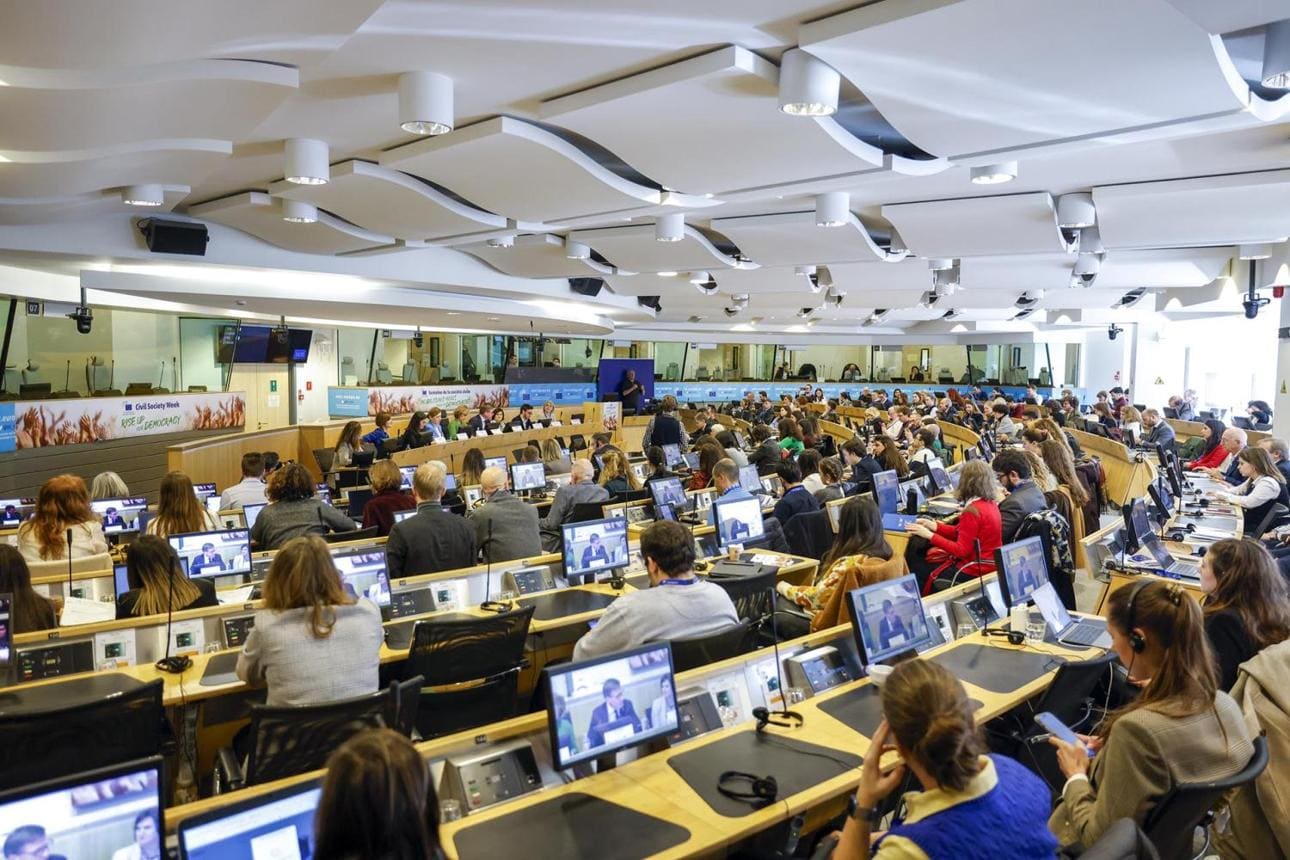
Kraków: In a borrowed meeting room above a Polish community centre, a handful of organisers are drafting yet another grant application, one of thousands now circulating across the continent as the European Union opens the latest round of its flagship fund for civil society. The Citizens, Equality, Rights and Values programme rarely makes headlines, but for the constellation of small associations that defend minorities, run anti-discrimination helplines or simply bring towns together across borders, its calls for proposals are a lifeline, and this year the competition for them is fierce.

The Commission has published the first 2026 calls on its funding portal, with more to follow, putting roughly 305 million euros on the table across a dozen strands. The largest share, some 181 million euros, is earmarked for protecting the Union’s founding values and supporting the civil society organisations that uphold them. A further 76 million is set aside for town twinning, networks of towns and broader civic participation, the unglamorous connective tissue that links a Portuguese village to a Finnish one. Another 27 million targets gender equality, the inclusion of Roma communities and the fight against discrimination in its many forms.

The programme was launched in 2021 and runs until 2027, conceived as a way to channel money directly to groups working on the ground rather than through national governments, some of which have proved openly hostile to the rights the fund exists to promote. That design has given it an outsized symbolic weight. In member states where ministries have squeezed independent media, curtailed judicial independence or pressured non-governmental organisations, a grant routed straight from the European level can be the difference between an organisation surviving and folding. It has also made the programme a target of political suspicion, with critics accusing it of bankrolling activism under the banner of neutral civic values.

The numbers tell their own story of strain. With deadlines for the town twinning strand running through September and the calls on civic space and the Charter of Fundamental Rights closing in mid-September, applicants are competing for pots that, spread across twenty-seven countries and countless eligible bodies, stretch only so far. Seasoned grant writers say success increasingly depends on the capacity to assemble transnational consortia and navigate dense reporting requirements, advantages that favour larger, professionalised outfits over the volunteer-run groups the money is meant to reach. The paradox is familiar across European funding: rules written to ensure accountability can quietly exclude the very grassroots actors the policy celebrates.

Defenders of the programme argue that its existence at all is a quiet achievement. Funding for rights and democracy was once an afterthought scattered across unrelated budget lines; consolidating it into a single, visible instrument gave civil society a recognisable address and a measure of predictability. Whether that survives the coming negotiations over the Union’s next long-term budget is an open question, with every spending line now under pressure from defence and competitiveness priorities that command louder political attention.

For the organisers in Kraków, those debates feel distant. Their concern is the deadline on the screen and the slim odds of clearing it. The fund, modest as it is against the scale of the continent’s needs, remains one of the few places where a small group with a good idea and no government backing can still ask Europe directly for help.