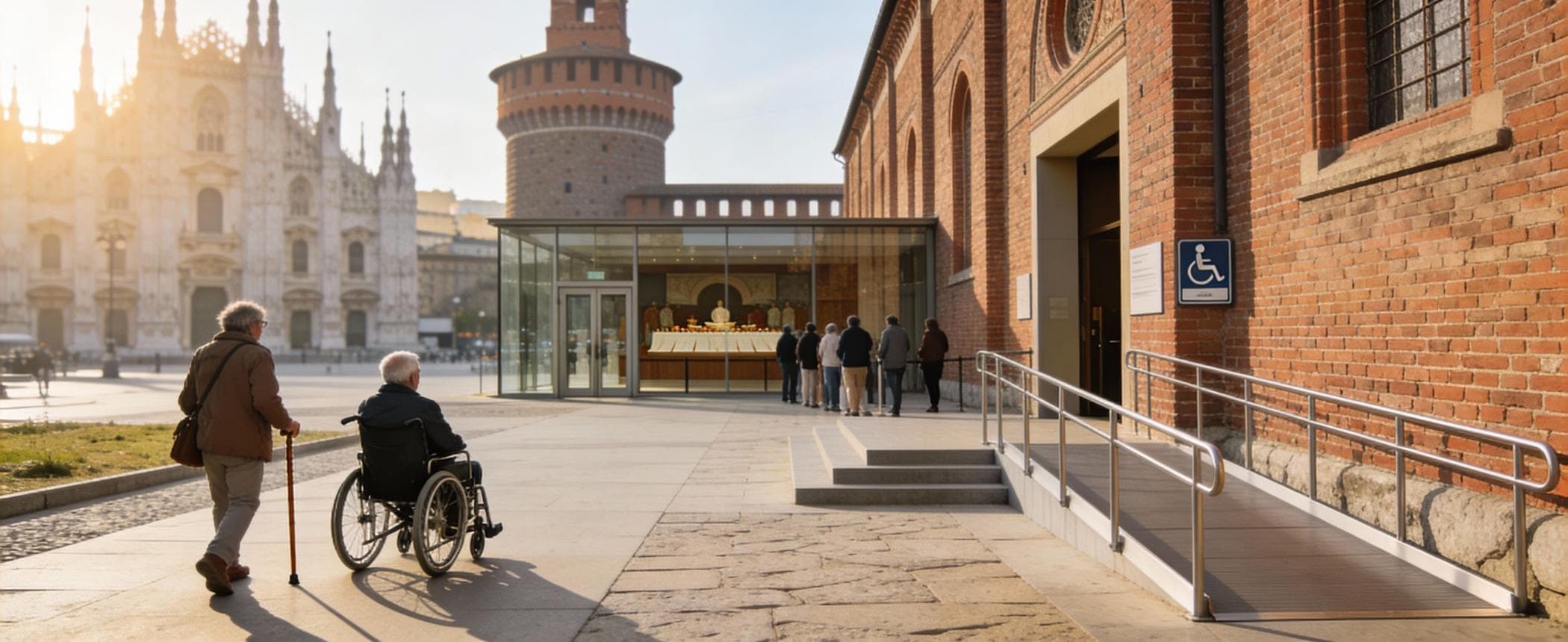
Ljubljana: A wheelchair user who qualifies for reduced museum entry at home can lose that right the moment they cross a border. The European Union wants to close that gap, and it has asked citizens directly how the fix should work.
The European Commission has launched a public consultation, running for twelve weeks and offered in every EU language plus easy-to-read English, on the European Disability Card. The card, paired with a European parking card, is meant to travel with its holder, so that a disability recognised in one member state unlocks the same discounts and priority access anywhere in the bloc. The Commission set out the wider plan in its package on disability and poverty.
The problem the card attacks is old and stubborn. National definitions of disability differ, so status rarely follows a person across a frontier. A student on an exchange, a worker taking a job abroad or a family on holiday can find that hard-won entitlements simply evaporate at the border, which chills the free movement the Union treats as a founding freedom.
The consultation asks how far the card should reach. Should it cover transport discounts, cultural and leisure access, and priority services, and how should authorities verify a holder’s status without forcing them to re-prove their disability in each country? The Commission wants answers from disabled people themselves, from the organisations that represent them and from the public bodies that would issue and honour the card.
The card does not stand alone. It forms one plank of a broader disability employment push, which presses member states to open more jobs to disabled workers and to treat social inclusion and economic independence as linked goals. Advocates argue that portable rights and fair pay reinforce each other, since a worker who can move freely can chase opportunity across the whole single market rather than a single national one. The Commission details that effort in its disability employment package.
Disability groups welcome the ambition but watch the detail closely. They have seen earlier pledges soften into voluntary schemes that businesses and local authorities could ignore, and they want the card backed by rules that oblige recognition rather than merely invite it. Portability, they stress, means nothing if a museum or bus operator can wave the card away.
National governments, for their part, weigh cost and administration. Extending discounts to visitors from other countries carries a price, and some capitals will ask who pays when a French card holder claims a Slovenian benefit. Those questions are exactly what the consultation aims to surface before the Commission drafts firmer rules.
The window for views stays open through the summer. What comes back will shape whether the disability card becomes a genuine passport to equal treatment or another well-meaning symbol that stops at the border.