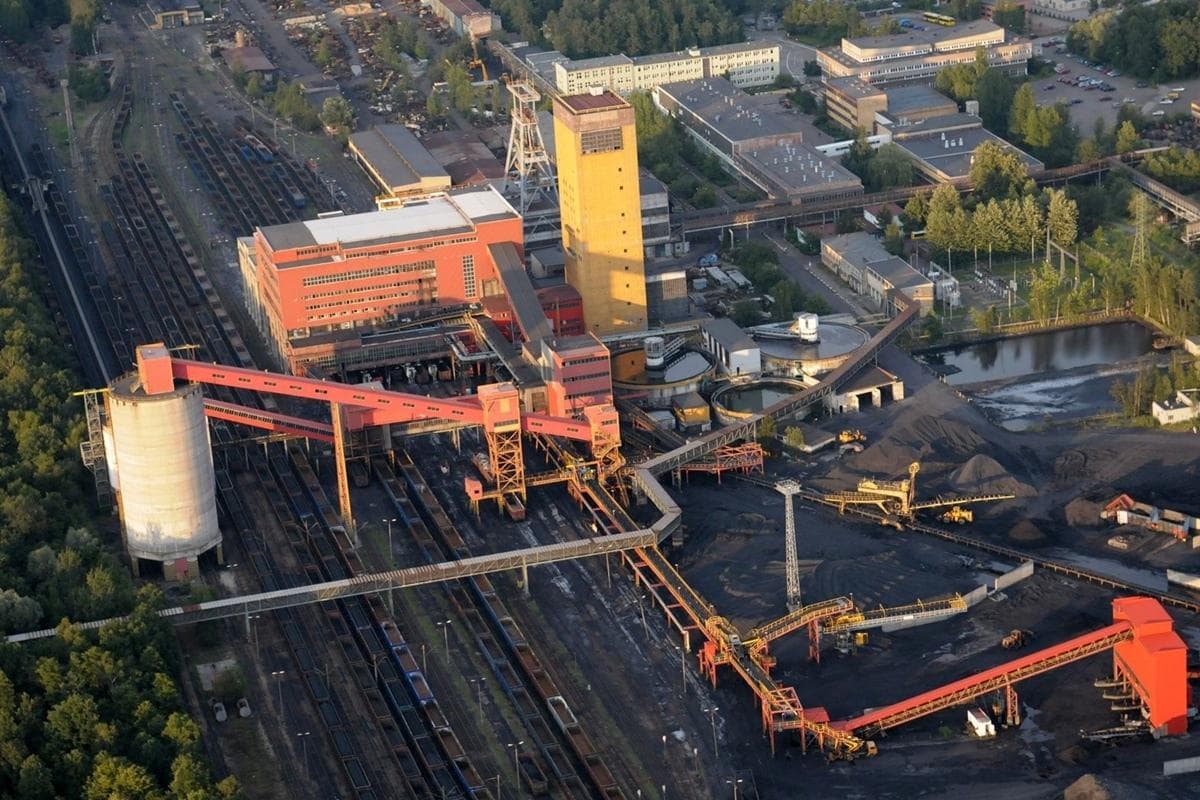
Katowice: The industrial heart of southern Poland has spent two decades leaning on European money to turn coal towns into logistics parks and battery plants. This summer the rules governing that money changed, and regions like Silesia now hold a wider set of choices than at any point in the current budget cycle.
The European Commission has approved amendments to 186 national and regional cohesion programmes across 25 member states, freeing up roughly 34.6 billion euros of the 367 billion euro cohesion pot for 2021 to 2027. That sum, close to a tenth of the entire envelope, moves out of its original slots and into priorities that barely featured when governments first drew up their plans.
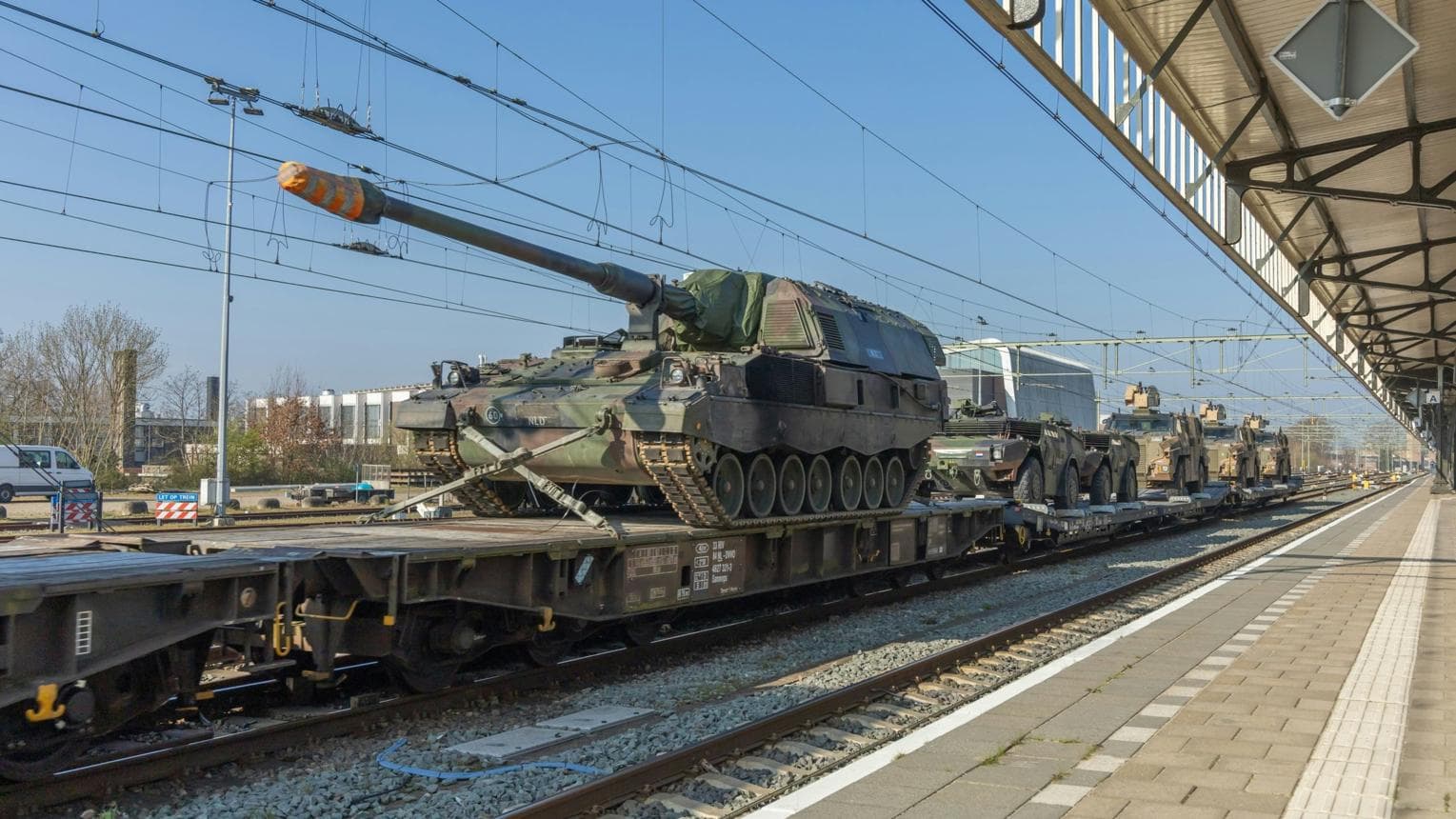
Defence sits at the centre of the shift. Member states may now channel cohesion money into military mobility, dual-use infrastructure and civil preparedness, with 11.9 billion euros earmarked for those ends. A road built to move grain can equally move armour, and the Commission has decided that regional development and hard security no longer belong in separate boxes.
The reallocation spreads across other pressing files. Competitiveness through critical technologies, innovation and skills draws the largest single share at 15.2 billion euros. Affordable housing takes 3.3 billion, water resilience 3.1 billion, and energy security together with industrial decarbonisation a further 1.2 billion. Each figure reflects a bet that regions can fix several problems at once if Brussels loosens the strings.
Officials frame the mid-term review as flexibility rather than a rewrite. Governments choose whether to move their money, and many poorer regions will keep funding the roads, clinics and training schemes that cohesion policy has always paid for. Yet the option itself marks a departure. For years the fund guarded its focus on closing gaps between rich and poor regions, and defence spending would have sat awkwardly beside that mission.
Critics worry that the new freedom quietly erodes the point of cohesion. If a wealthy region redirects its allocation into a semiconductor plant while a struggling one patches its water network, the gap the policy exists to narrow may widen instead. Regional lobbies have asked the Commission to track where the money lands and to report back before drawing lessons for the next budget.
That next budget looms over everything. For the 2028 to 2034 period the Commission has floated folding cohesion, farm support, migration and security funding into a single framework built around national and regional partnership plans. Mayors and regional presidents read the mid-term reshuffle as a preview of that merger, and many fear losing the direct line to Brussels that cohesion money has long guaranteed.
For now the reallocated billions start flowing this year. In places like Katowice the test will be whether the wider menu delivers factories, homes and defences a community can see, or whether the money simply thins out across too many goals to matter. The regional policy that shaped modern Europe is being asked to do more with the same pot, and the coming months will show whether that ambition holds.