August 10, 2026
LATEST
Five Joint Defence Projects Launch Europe’s Military ShieldElectrification Plan Aims to Make Europe First Electro ContinentHorizon Europe Budget Fight Heats Up as Ministers Push BackGoogle’s DMA Fine Sets Off a Transatlantic Tariff ClashTwenty New University Alliances Join Erasmus for Two YearsForeign Subsidies Case Puts Temu in the EU’s SightsVan Tachographs Now Mandatory for Cross-Border FleetsStress Test Exposes Gaps in Euro Area Bank DefencesEurope Bets on a Gulf Partnership Before the Riyadh SummitWhy the Atlantic Route Now Runs Through MauritaniaKyiv and Chisinau Advance as the EU Accession Talks Gather PaceEurope’s New Digital Border System Beds In After a Rocky RolloutBrussels Mounts Its Largest Wildfire Response as the Fires SpreadRetail Spending Slipped in June, Wrong-Footing EconomistsHeatwave Warning Puts Brussels on Alert for Vulnerable GroupsKANAL’s 230 Million Euro Museum Sets a November Opening DatePension Savings Rules Get a Reset as the EU Scraps the 1% CapMedicine Shortages Move to the Heart of Europe’s Pharma ResetJapan Becomes Europe’s Closest Security Partner in AsiaCan Europe’s New Zealand Deal Anchor It in the Pacific?Five Joint Defence Projects Launch Europe’s Military ShieldElectrification Plan Aims to Make Europe First Electro ContinentHorizon Europe Budget Fight Heats Up as Ministers Push BackGoogle’s DMA Fine Sets Off a Transatlantic Tariff ClashTwenty New University Alliances Join Erasmus for Two YearsForeign Subsidies Case Puts Temu in the EU’s SightsVan Tachographs Now Mandatory for Cross-Border FleetsStress Test Exposes Gaps in Euro Area Bank DefencesEurope Bets on a Gulf Partnership Before the Riyadh SummitWhy the Atlantic Route Now Runs Through MauritaniaKyiv and Chisinau Advance as the EU Accession Talks Gather PaceEurope’s New Digital Border System Beds In After a Rocky RolloutBrussels Mounts Its Largest Wildfire Response as the Fires SpreadRetail Spending Slipped in June, Wrong-Footing EconomistsHeatwave Warning Puts Brussels on Alert for Vulnerable GroupsKANAL’s 230 Million Euro Museum Sets a November Opening DatePension Savings Rules Get a Reset as the EU Scraps the 1% CapMedicine Shortages Move to the Heart of Europe’s Pharma ResetJapan Becomes Europe’s Closest Security Partner in AsiaCan Europe’s New Zealand Deal Anchor It in the Pacific?
August 10, 2026
LATEST
Five Joint Defence Projects Launch Europe’s Military ShieldElectrification Plan Aims to Make Europe First Electro ContinentHorizon Europe Budget Fight Heats Up as Ministers Push BackGoogle’s DMA Fine Sets Off a Transatlantic Tariff ClashTwenty New University Alliances Join Erasmus for Two YearsForeign Subsidies Case Puts Temu in the EU’s SightsVan Tachographs Now Mandatory for Cross-Border FleetsStress Test Exposes Gaps in Euro Area Bank DefencesEurope Bets on a Gulf Partnership Before the Riyadh SummitWhy the Atlantic Route Now Runs Through MauritaniaKyiv and Chisinau Advance as the EU Accession Talks Gather PaceEurope’s New Digital Border System Beds In After a Rocky RolloutBrussels Mounts Its Largest Wildfire Response as the Fires SpreadRetail Spending Slipped in June, Wrong-Footing EconomistsHeatwave Warning Puts Brussels on Alert for Vulnerable GroupsKANAL’s 230 Million Euro Museum Sets a November Opening DatePension Savings Rules Get a Reset as the EU Scraps the 1% CapMedicine Shortages Move to the Heart of Europe’s Pharma ResetJapan Becomes Europe’s Closest Security Partner in AsiaCan Europe’s New Zealand Deal Anchor It in the Pacific?Five Joint Defence Projects Launch Europe’s Military ShieldElectrification Plan Aims to Make Europe First Electro ContinentHorizon Europe Budget Fight Heats Up as Ministers Push BackGoogle’s DMA Fine Sets Off a Transatlantic Tariff ClashTwenty New University Alliances Join Erasmus for Two YearsForeign Subsidies Case Puts Temu in the EU’s SightsVan Tachographs Now Mandatory for Cross-Border FleetsStress Test Exposes Gaps in Euro Area Bank DefencesEurope Bets on a Gulf Partnership Before the Riyadh SummitWhy the Atlantic Route Now Runs Through MauritaniaKyiv and Chisinau Advance as the EU Accession Talks Gather PaceEurope’s New Digital Border System Beds In After a Rocky RolloutBrussels Mounts Its Largest Wildfire Response as the Fires SpreadRetail Spending Slipped in June, Wrong-Footing EconomistsHeatwave Warning Puts Brussels on Alert for Vulnerable GroupsKANAL’s 230 Million Euro Museum Sets a November Opening DatePension Savings Rules Get a Reset as the EU Scraps the 1% CapMedicine Shortages Move to the Heart of Europe’s Pharma ResetJapan Becomes Europe’s Closest Security Partner in AsiaCan Europe’s New Zealand Deal Anchor It in the Pacific?

Small Parcels Lose Their Tax-Free Entry Into Europe This July

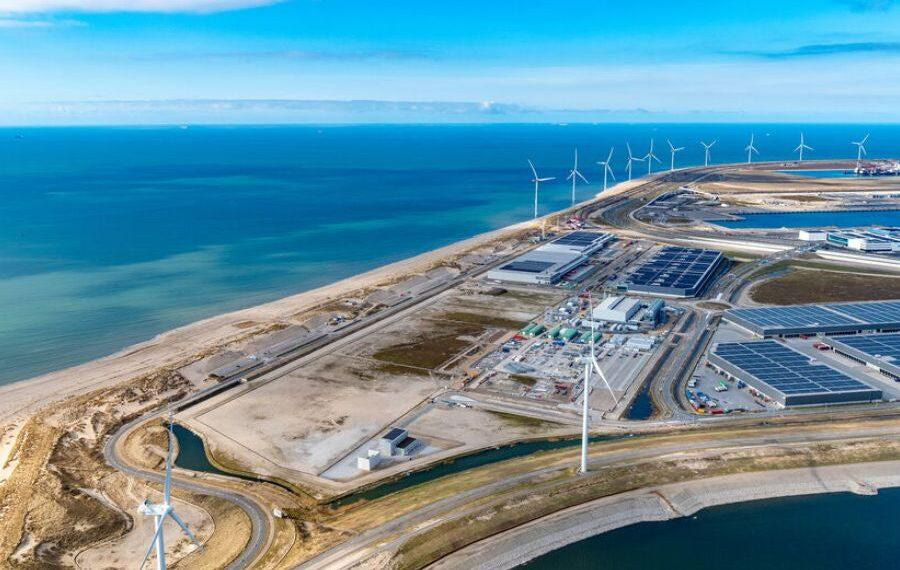
Rotterdam: From 1 July, the small package that slips into Europe untaxed becomes a relic. The European Union is scrapping the rule that has exempted parcels worth 150 euros or less from customs duty, a threshold that fast-fashion and marketplace giants have used to flood the bloc with cheap, lightly inspected goods. In its place comes a flat 3-euro customs charge per item sent directly from a business outside the EU to a consumer inside it, the first concrete instalment of the most sweeping customs overhaul since the union was founded in 1968.

The numbers behind the change explain the urgency. Roughly 4.6 billion low-value consignments entered the EU last year, the vast majority below the old threshold, and customs authorities openly admit they cannot meaningfully screen that volume. By taxing each parcel rather than waving it through, Brussels hopes to claw back revenue, level the playing field for European retailers who never enjoyed the exemption, and create a financial reason to declare goods honestly.

The duty is only the visible edge of a far larger architecture agreed by Parliament and Council this spring. The reform makes online platforms and sellers the legal importers of the goods they ship, shifting responsibility for duties, safety and compliance away from unwitting consumers and onto the companies that profit from the sale. A new EU Customs Authority will sit above national administrations, fed by a central data hub designed to give officers a real-time, bloc-wide picture of what is moving across borders rather than 27 fragmented national views.

A separate handling fee, intended to cover the cost of processing the deluge of individual packages, will follow once the supporting IT systems are running, and no later than 1 November. Member states have pressed for it because the administrative burden of the e-commerce boom has fallen on national budgets while the profits accrued elsewhere.

Enforcement carries teeth the old system lacked. Platforms that systematically and repeatedly break the rules face penalties of up to 6 percent of their annual imports and, in the worst cases, suspension from the EU market altogether. For operators whose business model depends on uninterrupted access to 450 million consumers, that is a sanction with real bite.

Retailers and logistics hubs are bracing for friction. Ports and sorting centres expect slower flows in the first weeks as declarations multiply, and consumer groups warn that the charge and eventual handling fee will land on shoppers’ final bills. Supporters counter that the era of artificially cheap imports masked real costs: unsafe products, lost European jobs and a customs system quietly overwhelmed.

The duty removal on 1 July is deliberately the opening move, with the heavier institutional machinery phased in over the following years. Whether it tames the parcel surge or simply redistributes its costs will become clear only once the new charges, and the data hub meant to police them, are fully switched on.