Brussels: Every summer Europe races to fill its gas tanks before winter, and every summer the scramble exposes how much the continent still depends on others. This year the Energy Union Task Force met on 13 July with a longer worry list than usual, and the Commission used the session to start rewriting the rules that underpin the bloc’s energy security.
The mood has shifted since the confident targets of the post-2022 emergency. A new conflict in the Middle East has kept prices jittery, and since it flared the Union has spent roughly 53 billion euros more on fossil-fuel imports. That bill lands precisely as households and industry hoped for relief, and it has revived a question Europe thought it had settled.
Storage targets bend to reality
The clearest sign of the rethink sits in the storage rules. Brussels has relaxed the mandatory filling target for the 2026 winter from 90 percent to 80 percent, and it has widened the window for reaching the goal rather than pinning it to a single November date. Officials call the change flexibility. Critics hear an admission that the old target pushed member states to buy gas at the worst possible moments and inflate their own bills.
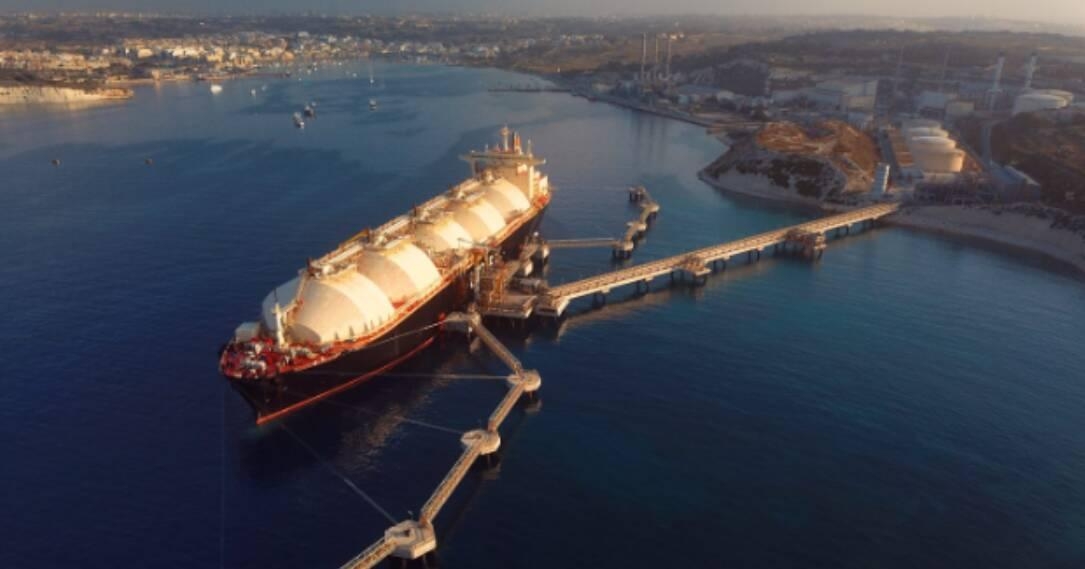
The Task Force concluded that this winter’s targets remain achievable, but the caveat matters. Europe now leans heavily on liquefied natural gas to refill its caverns, and that cargo competes on a global market where Asian demand helps set the price. Comfortable storage on paper can still mean expensive storage in practice.
Oil moves back onto the agenda
Gas dominated the last crisis, yet the Commission has now reopened the Oil Stocks Directive, the framework that obliges governments to hold emergency reserves. The review draws directly on lessons from the Middle East, where a single chokepoint can threaten the tankers Europe still counts on. After years of treating oil as yesterday’s problem, Brussels is quietly restoring it to the centre of its security planning.
The move fits a broader pattern. The Union spent the emergency years building diversified pipelines, LNG terminals and renewables, and it made real progress. But diversification lowered the odds of a shock without removing them, and each new tremor in the Middle East reminds ministers that a decarbonising Europe still runs on imported hydrocarbons for now.
The politics stay delicate. Softer storage targets ease costs today but tempt complacency before a cold snap. A tougher oil regime buys insurance yet forces spending that competes with the clean-energy build-out meant to end the dependence in the first place. Every choice trades one vulnerability for another.
Numbers sharpen the point. The extra fossil-fuel bill since the Middle East flared roughly equals the annual budget of a mid-sized member state, spent not on schools or grids but on cushioning a supply shock the Union keeps promising to outgrow. Each such tremor widens the gap between Europe’s climate ambitions and its immediate dependence.
That tension defines Europe’s next phase. The continent no longer faces the acute panic of 2022, yet it has not reached the security it wants either. Rewriting the rulebook now, in a calmer market, is the sensible moment to prepare for the next disruption. Whether governments hold that discipline once prices settle is the harder question.